
Edo Kiriko Glass: A Beautiful Story Behind a Better Home Bar Gift
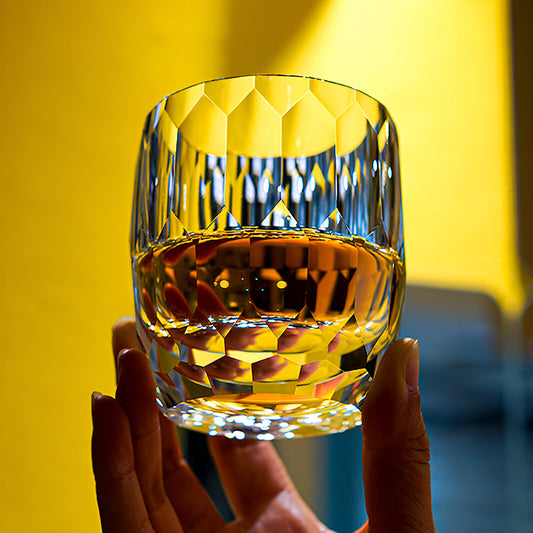
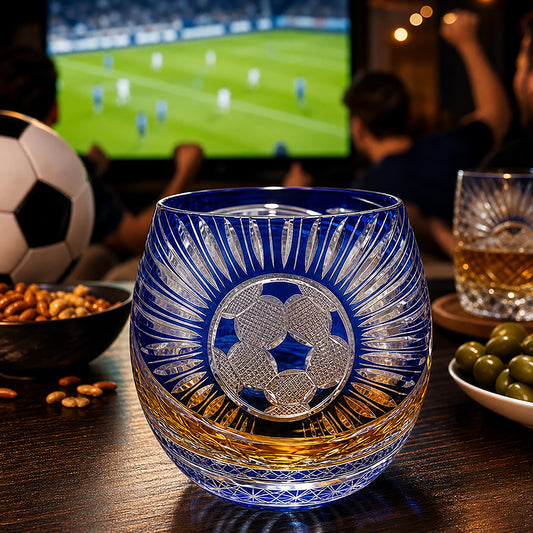
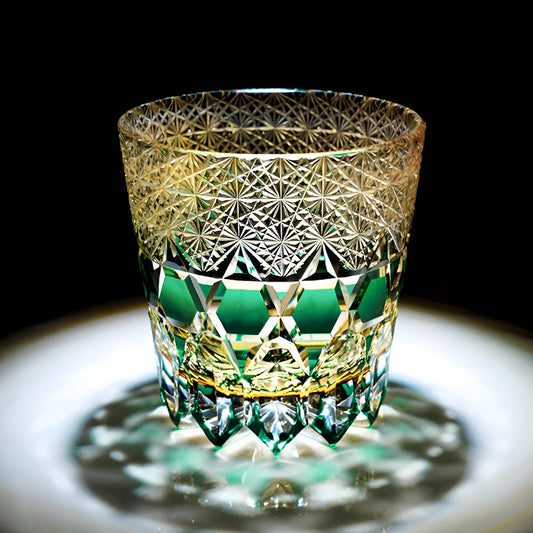
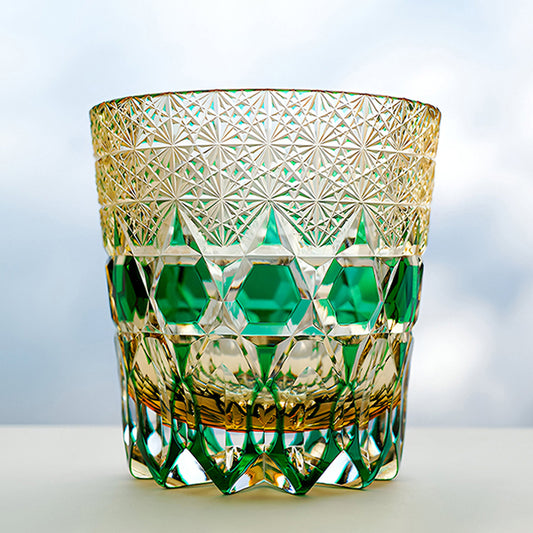
Edo Kiriko glass is a Japanese cut-glass craft from Tokyo, known for precise geometric patterns, jewel-like clarity, and a quiet sense of luxury. For a home bar, a Japanese whiskey glass inspired by this craft turns a simple pour of bourbon, rye, or Japanese whiskey into a more intentional ritual.
If you are shopping for premium crystal whiskey glasses, a meaningful gift for men, or distinctive Japanese barware, Edo Kiriko style offers more than decoration. It carries the story of Japan, Tokyo glass craftsmen, and a tradition that began during the Edo period and still feels surprisingly modern on an American bar cart.

Key Takeaways
- Edo Kiriko glass is a form of Japanese traditional glass art associated with Tokyo.
- Its beauty comes from hand-cut patterns that catch and reflect light, much like facets on a gemstone.
- The craft connects to Edo Kiriko history, edo period glassware, and later refinements in Japanese glassmaking.
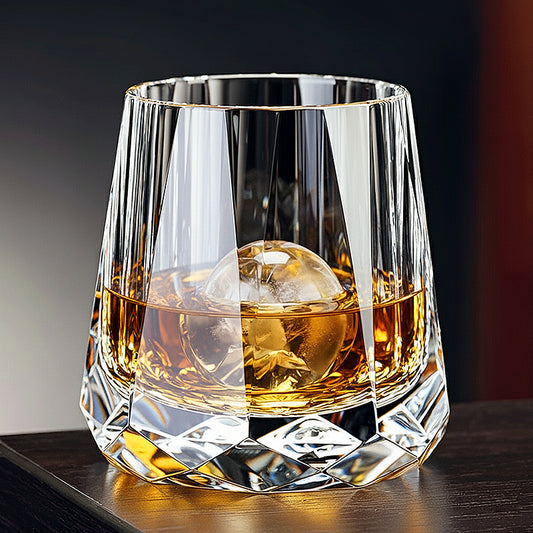
- An Edo Kiriko style whiskey glass works well for Japanese whiskey, bourbon, Scotch, cocktails, and display.
- For gifting, an edo kiriko glass set feels personal because it blends function, craft, and cultural heritage.
What Is Edo Kiriko Glass and Why Does It Feel Special in a Home Bar?
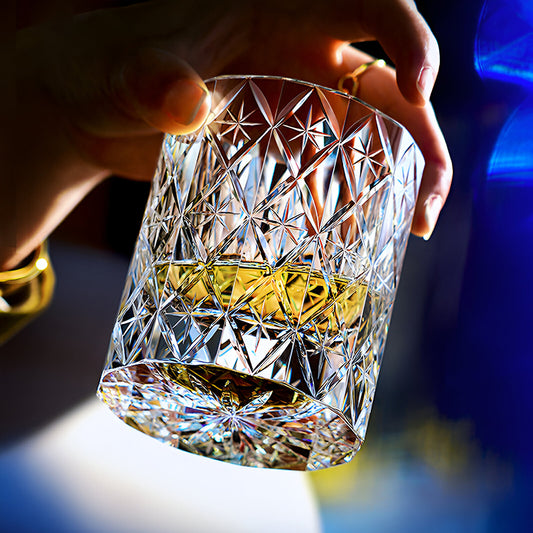
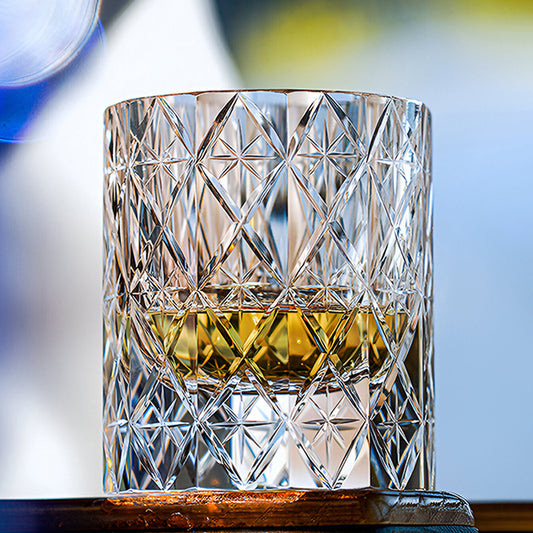
Edo Kiriko glass is cut glass associated with Edo, the old name for Tokyo. The word “kiriko” refers to cut glass, and the visual language is easy to recognize: crisp lines, repeating diamonds, starbursts, lattices, and other patterns carved into the surface.
For a US buyer, the simplest comparison is a tailored suit or a hand-engraved watch. The shape may be practical, but the detail changes how it feels. You can drink whiskey from any tumbler, but a finely cut whiskey glass makes the moment slower, more visual, and more memorable.
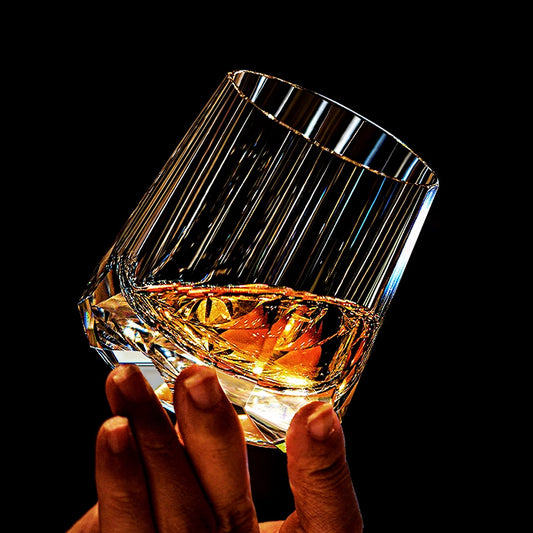
That is why Edo Kiriko style works especially well for a home bar. Whiskey already invites ritual: choosing the bottle, hearing the ice settle, watching the amber color deepen in the glass. The cut pattern adds movement. When light hits the glass, the drink almost glows.
This is also why many premium lifestyle buyers see handcrafted glassware as part of the room, not just the cabinet. A Japanese whiskey glass can sit on an open shelf, beside a decanter, or on a bar tray and still look intentional when it is not being used.
For shoppers who want to compare refined barware options, Explore luxury whiskey glasses before choosing a single tumbler or a full set.
How Did Edo Kiriko History Begin in Japan and Tokyo?
Edo Kiriko history is usually traced to the 19th century, when cut-glass work developed in Edo, now Tokyo. Early artisans experimented with cutting patterns into glass surfaces, gradually creating a style that blended Japanese taste with technical precision.
The timing matters. The Edo period was a long era of urban culture, craft specialization, and refined daily objects in Japan. People did not separate beauty from use as sharply as modern shoppers sometimes do. A bowl, cup, box, comb, or textile could be practical and still carry careful pattern, symbolism, and status.
Edo period glassware was not everyday mass-market glass in the way we think of drinkware now. Glass itself had a special presence. It was transparent, reflective, and delicate compared with many traditional materials. When cutting techniques improved, glass became an ideal surface for detailed pattern and light play.
Later, as Japan entered the modern era, Western glassmaking tools and techniques influenced local production. Tokyo glass craftsmen adapted, refined, and preserved the hand skills that made Edo Kiriko distinct. The result is not a frozen museum object. It is a living craft that has survived because it can still feel relevant at the table.
For American readers, think of it like Japanese denim, Japanese knives, or high-end ceramics. The appeal comes from a combination of heritage, material discipline, and obsessive finishing.
Why Do Tokyo Glass Craftsmen Cut Edo Kiriko Patterns by Hand?
The heart of Edo Kiriko glass is cutting. A tokyo craftsman works with a wheel to carve lines into the glass surface. Those lines must align across a curved form, which is much harder than drawing a pattern on paper.
One small mistake can break the rhythm. A line that is too deep, too shallow, or slightly off angle changes how light moves through the piece. This is why high-quality handcrafted glassware often feels different from machine-made decoration. The pattern has tension, clarity, and human judgment behind it.
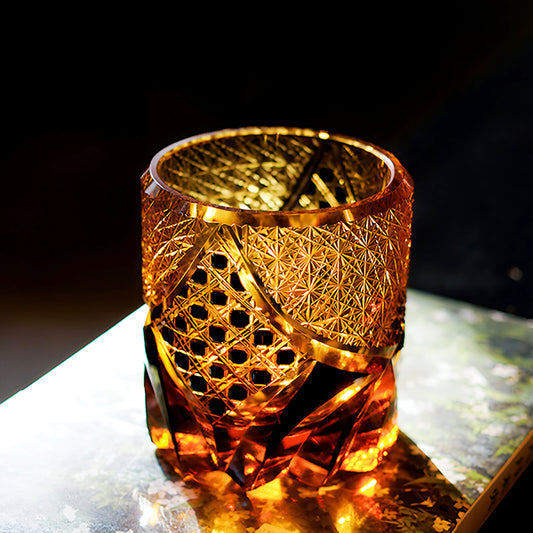
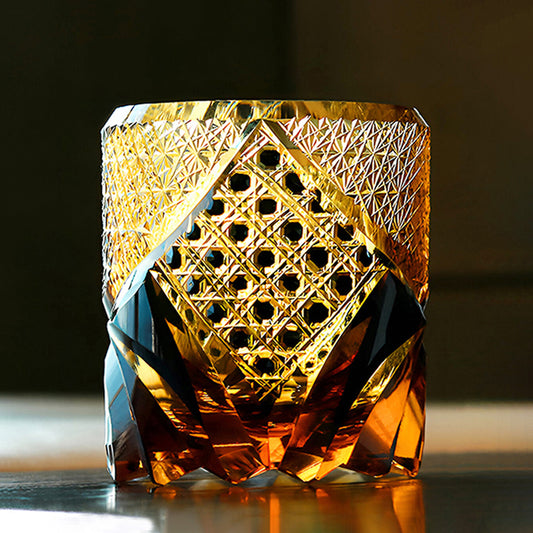
Common Edo Kiriko style patterns include fine crosshatching, diamond grids, star shapes, and motifs inspired by Japanese design traditions. Some patterns feel architectural, almost like the steel structure of a bridge. Others feel natural, like frost, woven bamboo, or water catching sunlight.
The artisan journey is not only about technical skill. It is about learning restraint. A good whiskey glass should not fight the drink. The cuts should frame the color of Japanese whiskey or bourbon without making the glass feel busy. The best pieces balance brilliance with calm.
This is one reason Edo Kiriko style has become attractive for premium gifting. It shows effort without shouting. It feels expensive because the detail is real, not because the branding is loud.
How Is Japanese Traditional Glass Art Different From Ordinary Crystal Whiskey Glasses?
Many crystal whiskey glasses are designed to sparkle. Edo Kiriko style glassware also sparkles, but its character is different. It has a more disciplined, patterned, and cultural feel.
Traditional Western cut crystal often leans grand: heavy bases, ornate cuts, and a formal dining-room mood. Japanese traditional glass art can feel sharper, quieter, and more graphic. It often works beautifully in modern apartments, minimalist home bars, and rooms where the owner prefers detail over excess.
| Feature | Ordinary Crystal Whiskey Glasses | Edo Kiriko Style Whiskey Glass |
|---|---|---|
| Visual feel | Classic sparkle and weight | Precise geometric pattern with Japanese character |
| Best for | General barware, formal entertaining | Japanese whiskey, gifting, display, meaningful home bar styling |
| Design language | Often European-inspired | Inspired by Tokyo craft and Japanese traditional glass art |
| Gift impression | Useful and familiar | More distinctive, cultural, and story-driven |
| Buyer appeal | Good for broad drinkware needs | Strong for collectors, design lovers, and premium lifestyle buyers |
This does not mean one is better for everyone. If you want a simple everyday tumbler, a plain rocks glass may be enough. If you want a piece that starts a conversation, an Edo Kiriko glass has a stronger story.
It also pairs naturally with Japanese barware such as ceramic sake cups, lacquer trays, ice molds, and minimalist cocktail tools. The glass becomes part of a full sensory setting rather than a standalone object.
Why Is an Edo Kiriko Glass Set a Strong Gift for Men?
An edo kiriko glass set works well as a gift because it avoids two common problems: it is not disposable, and it is not too personal in the wrong way. Many men are difficult to shop for because they already buy the practical things they need. Premium drinkware lands in a better zone: useful, refined, and a little indulgent.
For birthdays, Father’s Day, anniversaries, weddings, housewarmings, retirements, or client gifts, a pair of handcrafted glasses feels more considered than another bottle. A bottle is finished. A glass stays.
The gift also works for people who enjoy whiskey but are not experts. A beginner can appreciate the look and feel immediately. A more experienced whiskey drinker can appreciate how the glass presents color, ice, and aroma during a slow pour.
If the recipient enjoys Japanese whiskey, the connection becomes even stronger. A Japanese whiskey glass inspired by Tokyo craft creates a natural link between the drink and the object holding it.
For a premium gift, consider these options:
- Single statement glass: best for collectors, desk bars, or someone who enjoys solo evening pours.
- Two-glass set: best for couples, hosts, and whiskey tasting at home.
- Four-glass set: best for entertaining, home bars, and housewarming gifts.
- Gift-ready set with box: best when presentation matters as much as the glass itself.
To choose a piece with a stronger cultural angle, Shop our Edo Kiriko collection.
How Should You Choose a Japanese Whiskey Glass for a Premium Lifestyle Buyer?
Start with the person, not the pattern. A buyer who loves bold interiors may enjoy deep color and dramatic cutting. Someone with a quiet, modern home may prefer clear glass or a simpler geometric style.
Then consider weight. A good whiskey glass should feel stable in the hand, especially if it will be used with large ice cubes. Too light can feel casual. Too heavy can feel awkward. The best option feels grounded without becoming clumsy.
Next, look at the rim. A comfortable rim matters because whiskey is sipped slowly. A beautiful glass that feels unpleasant on the lips will not become a favorite.
Finally, think about how the glass will be used. If it is mainly for neat Japanese whiskey, a slightly smaller tumbler may feel elegant. If it is for bourbon on the rocks or Old Fashioneds, choose a wider glass with enough room for ice and stirring.
Quick Buying Checklist
- Does the pattern look sharp and intentional?
- Does the size match the drink style: neat, rocks, or cocktail?
- Would the color work with the recipient’s home bar?
- Is the set size right for solo use, couples, or entertaining?
- Does the story behind the glass make the gift feel more personal?
What Story Does Edo Kiriko Glass Bring to American Homes?
The strongest brand story behind Edo Kiriko glass is not only “old craft.” It is the journey from a Tokyo workshop to a modern home bar thousands of miles away.
In Japan, craft traditions often value repetition, patience, and quiet mastery. A tokyo craftsman may spend years learning how pressure, angle, and timing affect a single cut. That level of discipline is hard to see at first glance, but it becomes visible when the glass catches light.
For American homes, this story translates well. Many premium buyers are tired of objects that look luxurious online but feel generic in person. Edo Kiriko style offers a different kind of value: detail you can hold, use, and keep.
It also fits the way many people now build a home bar. The goal is not just to recreate a commercial bar at home. It is to create a small personal ritual: one shelf, one tray, one bottle worth opening, one glass that makes the moment feel complete.
That is where Edo Kiriko glass earns its place. It is not loud. It does not need a trend. It brings culture, craft, and light into an everyday ritual.

How Do You Care for Handcrafted Edo Kiriko Style Glassware?
Handcrafted glassware should be treated with more care than everyday tumblers. That does not mean it has to sit unused. It simply means the owner should avoid careless cleaning and extreme temperature changes.
- Hand wash with mild soap and warm water.
- Avoid dishwashers unless the product instructions clearly say dishwasher safe.
- Do not stack cut glasses inside each other.
- Use a soft cloth to dry the cut areas and prevent water spots.
- Avoid sudden temperature shock, such as boiling water or freezing the glass.
- Store upright with enough space so cut surfaces do not scrape against other glassware.
These steps help preserve the clarity and tactile detail that make Edo Kiriko style pieces worth owning. A premium glass should be used often, but not treated like a disposable kitchen item.
FAQ About Edo Kiriko Glass
What is Edo Kiriko glass?
Edo Kiriko glass is a Japanese cut-glass craft associated with Tokyo. It is known for precise hand-cut patterns that reflect light and create a jewel-like look on drinkware, vases, and decorative objects.
What is the basic Edo Kiriko history for beginners?
Edo Kiriko history begins in Edo, now Tokyo, during the 19th century. Early artisans cut patterns into glass by hand, and the craft later developed with improved tools, materials, and techniques while keeping its Tokyo identity.
Is Edo Kiriko considered japanese traditional glass art?
Yes. Edo Kiriko is widely recognized as a form of japanese traditional glass art because it combines hand skill, inherited patterns, and cultural design values from Japan, especially Tokyo craft traditions.
How is Edo period glassware related to Edo Kiriko?
Edo period glassware provides the historical setting for the craft. Glass objects became more refined in Japan over time, and Edo Kiriko grew from that environment of urban craft, experimentation, and appreciation for useful beauty.
Do Tokyo glass craftsmen still make Edo Kiriko by hand?
Yes, many Tokyo glass craftsmen still use hand-guided cutting and polishing techniques. Modern tools may assist the process, but the quality depends heavily on the artisan’s eye, pressure control, and pattern alignment.
Is an Edo Kiriko glass good for Japanese whiskey?
Yes. An Edo Kiriko style whiskey glass is excellent for Japanese whiskey because the cut surface highlights color, ice, and light. It also connects the drink to Japanese barware culture in a natural way.
Is an edo kiriko glass set a good gift for men?
An edo kiriko glass set is a strong gift for men who enjoy whiskey, design, home bars, or meaningful objects. It feels more lasting than a bottle and more personal than ordinary barware.
Conclusion: A Glass With a Story Worth Keeping
Edo Kiriko glass is more than a beautiful tumbler. It is a bridge between Japan’s craft heritage, Tokyo glass craftsmen, and the modern home bar. For curious beginners, it is an easy way to understand Japanese traditional glass art through something useful. For premium lifestyle buyers, it is a refined object that brings story, texture, and light into a daily ritual.
If you want a whiskey glass that feels distinctive without being flashy, Edo Kiriko style is a smart place to start. Choose a single statement piece for personal use, or select an edo kiriko glass set when the goal is a memorable gift.
For a more elevated pour at home, Shop our Edo Kiriko collection or Explore luxury whiskey glasses for more handcrafted barware options.
Explore Our Collection
Ready to experience the world of Edo Kiriko glass? Browse our curated collection:
Disclaimer: This article is for informational purposes. Products and pricing subject to change.