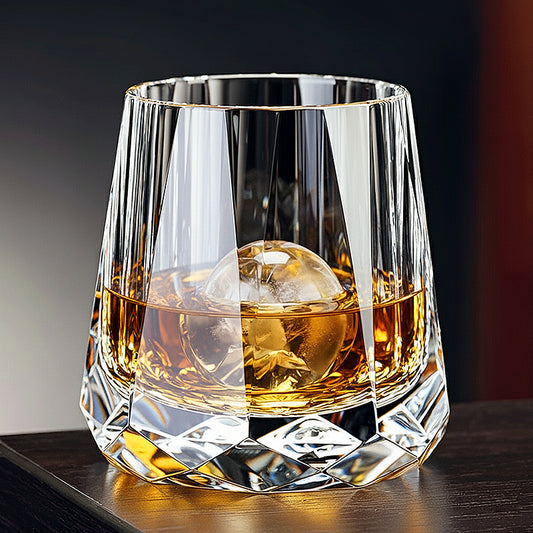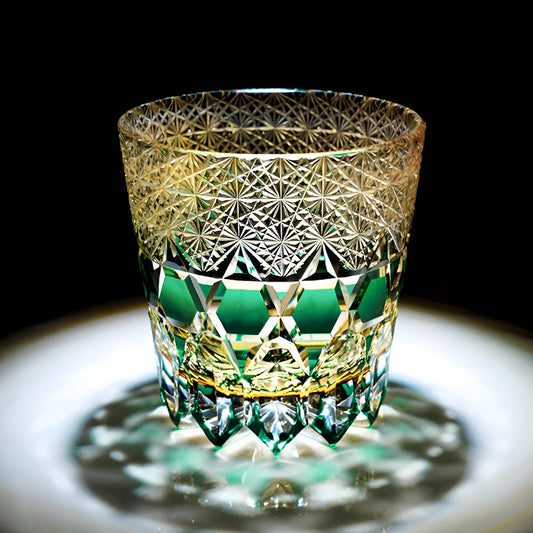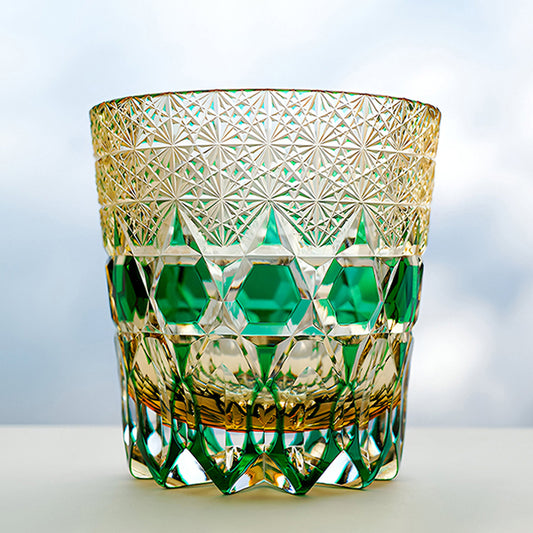

When you’re building a home bar, the glass you choose matters as much as the whiskey. As a longtime collector of Japanese barware, I often get asked: is Edo Kiriko glass really superior to traditional Western crystal? The short answer is that it depends on what you value—precision craftsmanship, cultural depth, or sheer sparkle. In my experience, an Edo Kiriko glass delivers an entirely different drinking ritual than a classic Waterford or a generic rocks glass. Understanding the differences between Japanese glass vs Western glass will help you pick the perfect vessel, whether you’re sipping a smoky Japanese whiskey or an American bourbon.
Key Takeaways
- Edo Kiriko glass is hand-cut Japanese crystal with roots in Tokyo’s Edo period, offering a distinct tactile and visual experience compared to machine-made Western glass.
- The Japanese whiskey glass vs crystal debate isn’t about one being objectively better; it’s about texture, weight, and how the glass shapes the aroma.
- For gifting, handcrafted Japanese glassware like an Edo Kiriko tumbler is a memorable choice—especially as one of the most unique whiskey glasses for men.
- Differences like Edo Kiriko vs Waterford boil down to cutting technique, lead content, and the story behind the glass.
What Is Edo Kiriko Glass?
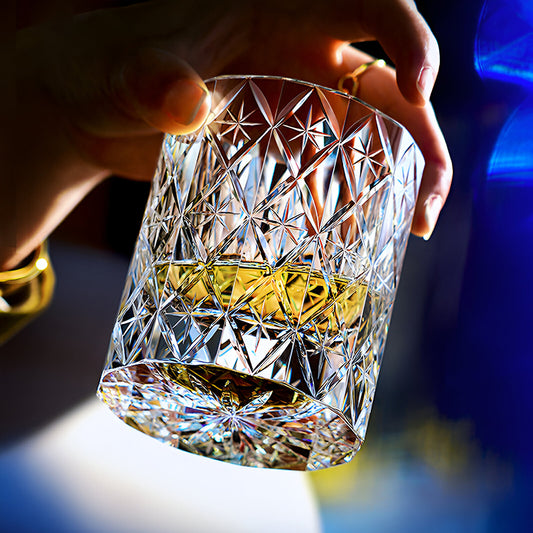
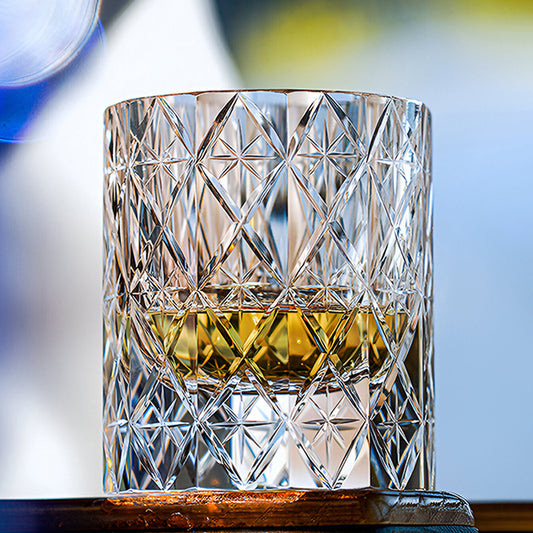
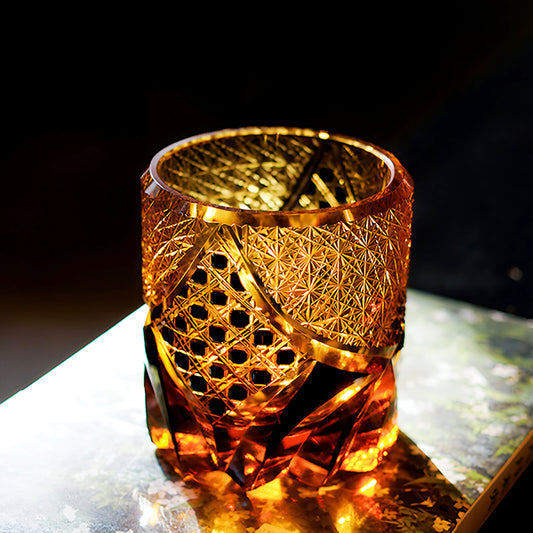
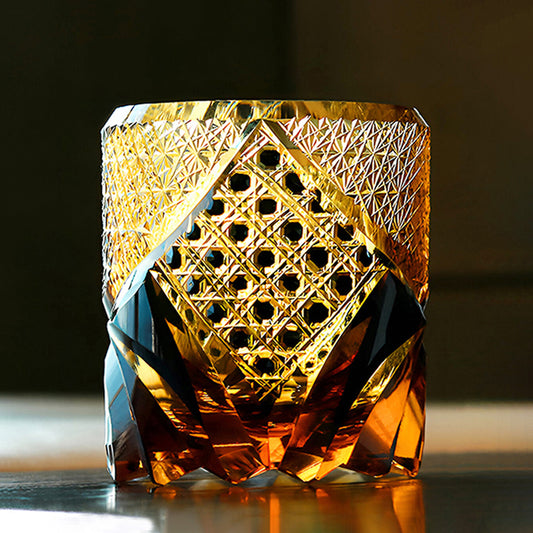
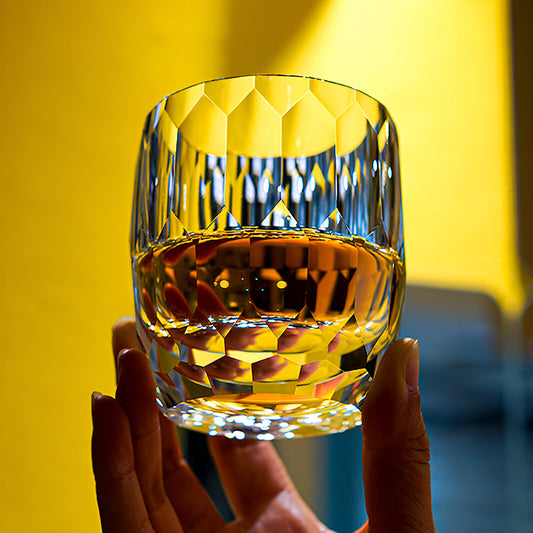
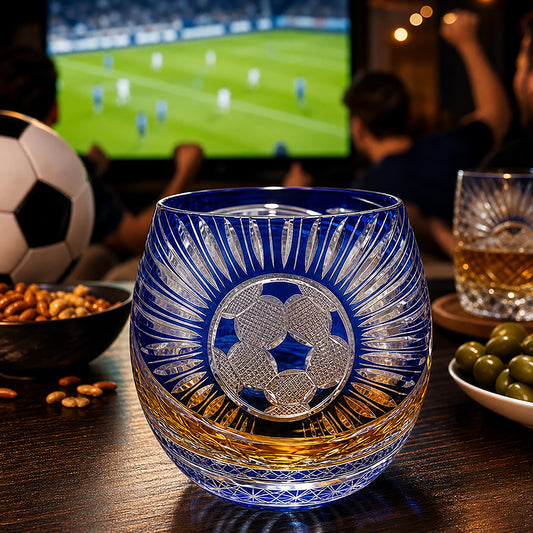
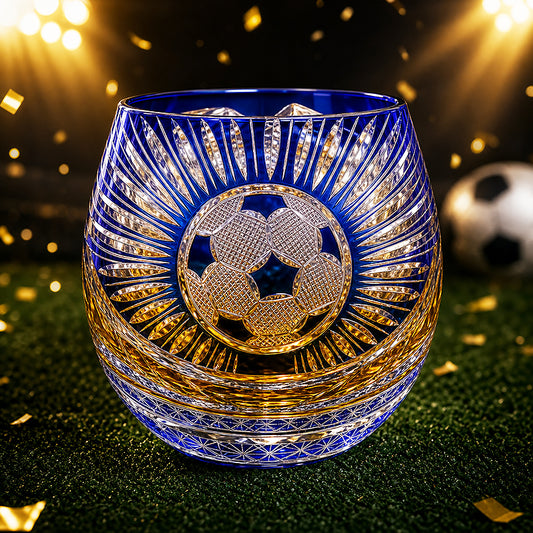
Edo Kiriko is a traditional Japanese craft that dates back to 1834 in Edo, the former name of Tokyo. The technique involves cutting intricate geometric patterns into clear or colored crystal glass using a rotating grinding wheel. Unlike many Western crystal glasses that are molded or acid-etched, every Edo Kiriko glass is cut freehand by a master artisan. This gives each piece a subtle individuality—my own collection has slight variations in the depth of the cuts that make each glass feel personal. The most common patterns are “chrysanthemum” (kiku) and “nanako” (fish roe), which catch the light and clink with a distinct, high-pitched resonance. If you’ve never held one, imagine the heft of lead-free crystal combined with the delicate precision of a Japanese kimono textile—etched in glass.
Japanese Glass vs Western Glass: How Do They Differ?
I often find that the fundamental difference between Japanese glass and Western glass comes down to philosophy. Western glass—especially European crystal—tends to prioritize brilliance and clarity through high lead content. Japanese glassware, by contrast, focuses on cut design, mouthfeel, and the overall sensory experience. When you drink from an Edo Kiriko glass, the lips meet a smooth, often slightly flared rim, while the hand feels the cool, textured pattern. Western glasses can be heavier or thinner, but they rarely offer that intentional tactile interplay. Additionally, many Japanese glasses are lead-free crystal, appealing to health-conscious buyers who still want that signature ringing “ping.” So if you’re comparing Japanese whiskey glass vs crystal from a Western maker, think not just about looks, but how the glass participates in the ritual.
Edo Kiriko vs Waterford: Which Crystal Whiskey Glass Wins?
The Edo Kiriko vs Waterford matchup is one I revisit frequently. Waterford, the iconic Irish crystal house, is known for its intricate wedge cuts and dazzling brilliance. Both are luxury choices, but the experience differs. Waterford glasses often contain lead, which adds weight and prismatic sparkle. Edo Kiriko glasses are made from soda-lime or lead-free crystal, so they tend to be lighter in the hand while maintaining remarkable clarity. Here’s a quick comparison:
| Feature | Edo Kiriko Glass | Waterford Crystal |
|---|---|---|
| Craft Method | Hand-cut, freehand pattern application | Machine-assisted cutting with traditional patterns |
| Material | Lead-free crystal (often) or soda-lime | Full-lead crystal (typically 24% PbO) |
| Weight & Feel | Lighter, textured cut pattern on palm | Heavier, smooth base and crisp cuts |
| Best For | Japanese whiskey, sipping neat, gift for men | Classic scotch, formal entertaining |
| Cultural Story | Edo period Tokyo, artisan lineage | Irish heritage, Waterford city roots |
I gravitate toward Edo Kiriko when I want the glass to be a conversation piece. For a formal bourbon tasting, I might reach for Waterford. But if you’re looking for unique whiskey glasses for men that surprise even seasoned drinkers, Edo Kiriko wins hands down.
Highball vs Rocks Glass for Whiskey: What’s the Right Choice?
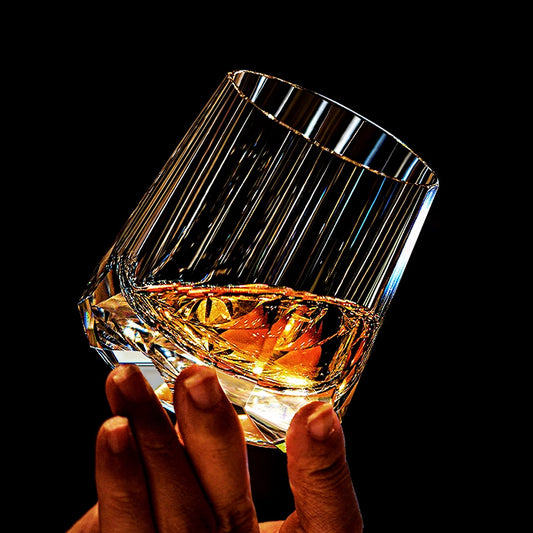
Understanding the highball vs rocks glass for whiskey debate is crucial because Japanese drinking culture heavily features the highball style. A classic highball glass is tall, straight, and holds 8–12 oz, designed for whiskey and soda with ice. A rocks glass (or old fashioned glass) is short and wide, holding 6–10 oz, perfect for a neat pour or a cocktail on the rocks. In Japan, the highball is an art form—precision ice, measured pour, gentle stir. An Edo Kiriko highball glass brings artisanal beauty to that ritual. If you prefer your whiskey neat, a cut crystal rocks glass may suit you better. Personally, I use an Edo Kiriko glass in both shapes: the highball for summery sessions, the rocks glass for cozy winter evenings. The good news is that you don’t have to choose—Browse crystal whiskey glass sets to find complementary pairs.
Japanese Whiskey Glass vs Crystal: Does It Really Matter?
Many connoisseurs ask me, “Does glassware actually change the taste?” The Japanese whiskey glass vs crystal distinction reveals itself in subtle ways. A thin-lipped Edo Kiriko glass allows the whiskey to flow smoothly, emphasizing the spirit’s texture rather than overwhelming it with a thick rim. The hand-cut patterns aerate the whiskey differently as you swirl, slightly affecting the nose. Plus, the visual delight elevates your perception—psychologically, the drink tastes better in a beautiful glass. Western crystal might be too heavy or thick-lipped for some delicate Japanese whiskies. The difference is real, if nuanced. That’s why I recommend a Japanese whiskey glass set when you’re serious about the experience.
Why Edo Kiriko Glasses Make Unique Whiskey Gifts for Men
If you’re hunting for a premium gift, handcrafted Japanese glassware is a category-defying option. A set of Edo Kiriko glasses signals thoughtfulness—it’s not another tie or gadget. My own brother, a bourbon fanatic, was completely captivated by the way the patterns scatter light across the counter. The “gift for men” angle works because these glasses are both functional and collectible. They bridge the gap between art and utility. Whether for a birthday, retirement, or housewarming, an Edo Kiriko glass carries a story of Tokyo’s Edo period and generations of artisan skill. It’s a gift that inspires conversation every time it’s used. You can Explore luxury whiskey glasses to see how varied the patterns can be.
How to Incorporate Edo Kiriko Glass Into Your Home Bar
I like to mix and match my barware. A dedicated shelf for Japanese crystal adds an instant aesthetic upgrade. Start with a pair of rocks glasses for neat pours of Japanese whiskey or even an American bourbon glass. Add a highball pair for casual gatherings—I serve a Toki highball with Edo Kiriko highball glasses and watch guests light up. The key is to let the glass be the star. Keep delicate stemware separate so the cuts don’t get scratched. If you’re investing in a full Japanese whiskey glass set, display them proudly; they double as decor.
Who Should Buy an Edo Kiriko Glass?
- The curious whiskey drinker who wants to experience the Japanese whiskey glass vs crystal difference firsthand.
- Gift shoppers seeking unique whiskey glasses for men with cultural depth—ideal for fathers, groomsmen, or executives.
- Home bar enthusiasts who already own Western crystal and crave something with a different sensory profile.
- Collectors of traditional Japanese crafts who appreciate the legacy of the Edo period and master artisan work.
FAQ: Edo Kiriko Glass and Japanese Barware
Q: What makes Edo Kiriko glass different from regular crystal?
A: Edo Kiriko glass is cut freehand in Tokyo using traditional patterns passed down since the Edo period. The focus is on textured feel, subtle light play, and lead-free materials—contrasting with the heavy, brilliant lead crystal common in Western glass.
Q: Is Edo Kiriko better than Waterford for whiskey?
A: It’s not about “better,” but about experience. Edo Kiriko offers a lighter, more textured glass that emphasizes Japanese whiskey’s delicate notes. Waterford is heavier, pricier, and shines brilliantly. For personal use, I prefer Edo Kiriko; for formal dinner parties, Waterford can impress.
Q: Can I use an Edo Kiriko glass for bourbon?
A: Absolutely. While designed with Japanese whiskey in mind, an Edo Kiriko rocks glass works perfectly as a bourbon glass. The wide base and cut texture are ideal for sipping neat or with a single ice cube.
Q: How do I clean handcrafted Japanese glassware?
A: Hand-wash only with mild soap and warm water. The deep cuts can trap residue, so use a soft brush. Never use a dishwasher—the aggressive detergents and vibration can dull the delicate patterns over time.
Q: Why are Japanese whiskey glasses so expensive?
A: The cost reflects hours of artisan labor, often under government-recognized traditional craft status. Each Edo Kiriko glass embodies decades of training and cultural legacy—much like a piece of fine studio art.
Q: What’s the ideal glass for a Japanese highball?
A: A thin, tall Edo Kiriko highball glass. The height preserves carbonation, and the cut crystal maintains cold temperature. It’s the same type bartenders use in Tokyo’s top whisky bars.
Conclusion: Choosing Your Perfect Whiskey Glass
After years of collecting and comparing, I believe the best whiskey glass is the one that connects you to the spirit. Edo Kiriko glass brings a rare blend of Japanese heritage, handcraft quality, and functional beauty that Western crystal rarely matches. Whether you’re upgrading your own bar or buying a gift, understanding the Japanese glass vs Western glass spectrum makes you a more intentional drinker. If you’re ready to add something extraordinary to your collection, Browse crystal whiskey glass sets or Explore luxury whiskey glasses to find an Edo Kiriko piece that speaks to you. Cheers—kanpai!
Explore Our Collection
Ready to experience the world of Edo Kiriko glass? Browse our curated collection:
Disclaimer: This article is for informational purposes. Products and pricing subject to change.