
Edo Kiriko Glass: Craft, Heritage, and a Better Home Bar
Edo Kiriko glass is Japanese cut glass known for sharp geometric patterns, vivid color overlays, and a refined sparkle that feels made for a premium home bar. For someone choosing a bourbon glass, a whiskey tumbler, or a memorable gift for men, this traditional Japanese craft offers more than decoration: it turns an everyday pour into a small ritual.
Think of it as the glassware version of a tailored suit. The shape is practical, but the detail tells you someone cared. Edo Kiriko, a form of japanese cut glass from Tokyo, connects Japan, the Edo period, and modern handcrafted glassware in one object you can actually use.
Key Takeaways
- Edo Kiriko glass is a style of Japanese crystal and cut glass associated with Tokyo craftsmanship.
- Its beauty comes from layered color glass being cut by hand to reveal clear glass underneath.
- The patterns often reference light, water, stars, bamboo, fish scales, or traditional geometry.
- For US buyers, it works well as crystal whiskey glasses, a bourbon glass, or a premium gift for men.
- An edo kiriko glass set is best for people who value craft, culture, and a home bar with personality.

What Is Edo Kiriko Glass and Why Does It Feel Special?
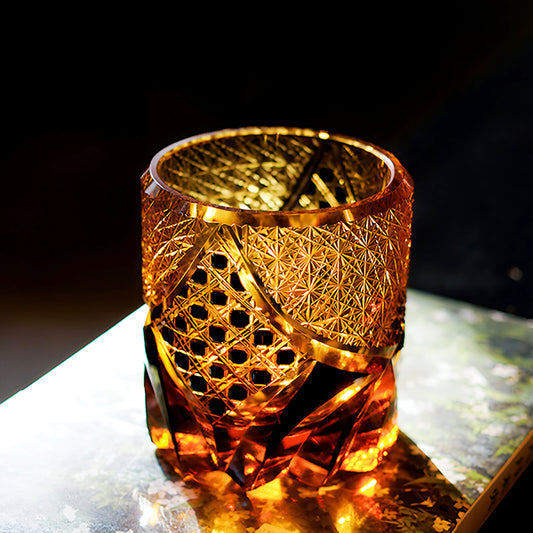
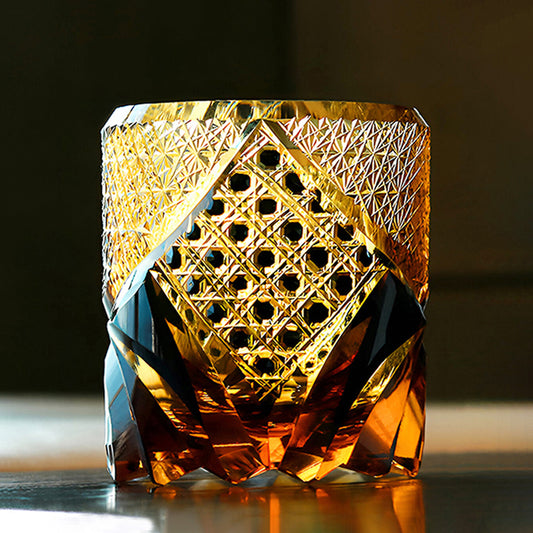
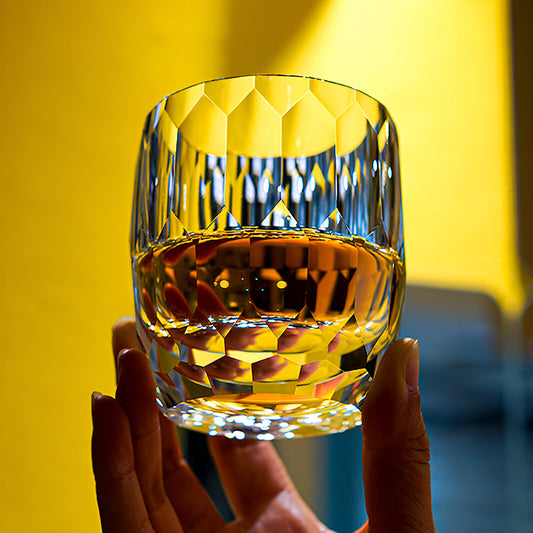
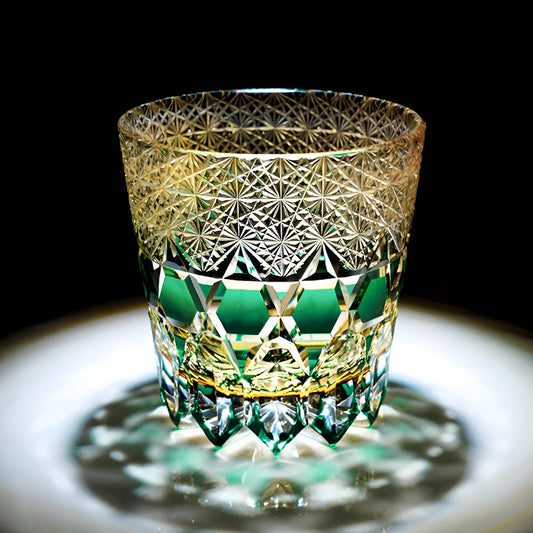
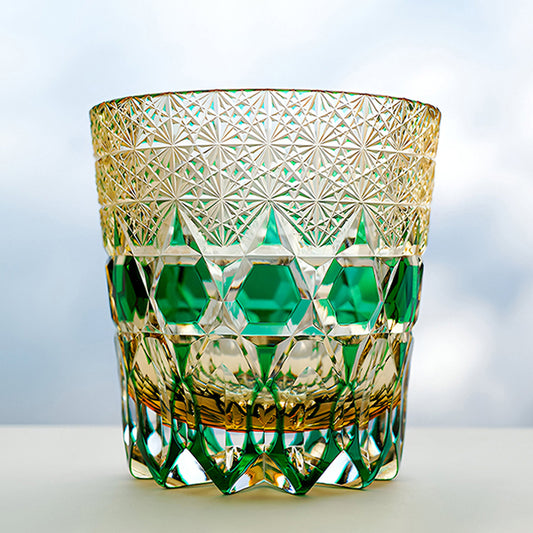
Edo Kiriko glass is a type of japanese traditional glass art created by cutting patterns into glass with precise grinding wheels. Many pieces use colored glass layered over clear glass. When the artisan cuts through the color, the transparent base appears, creating contrast, sparkle, and depth.
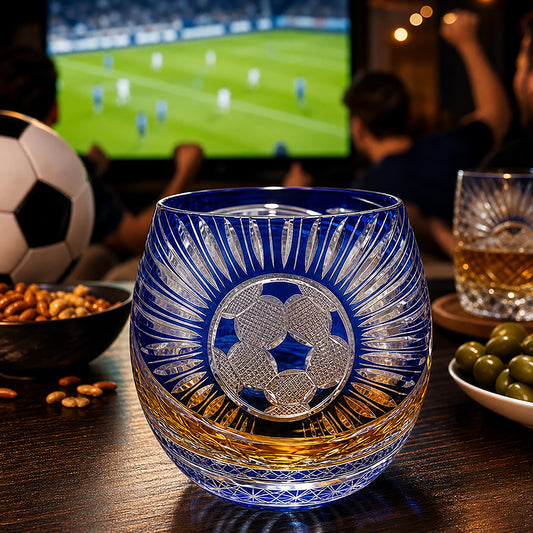
For beginners, the easiest way to understand it is this: imagine a ruby-red or deep-blue glass cup, then imagine a skilled craftsperson carving light into it. The lines are not painted on. They are physically cut into the surface.
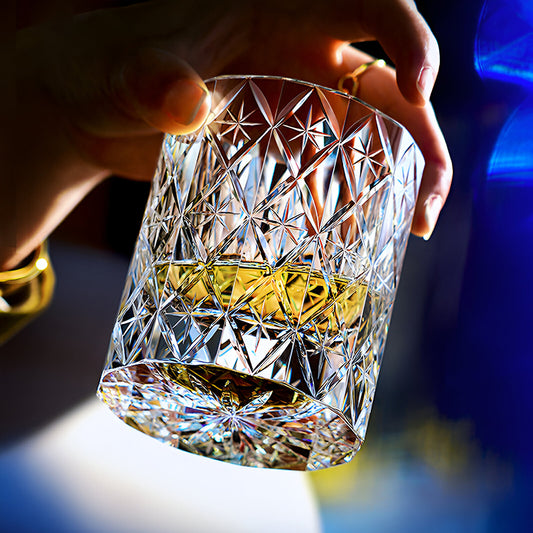
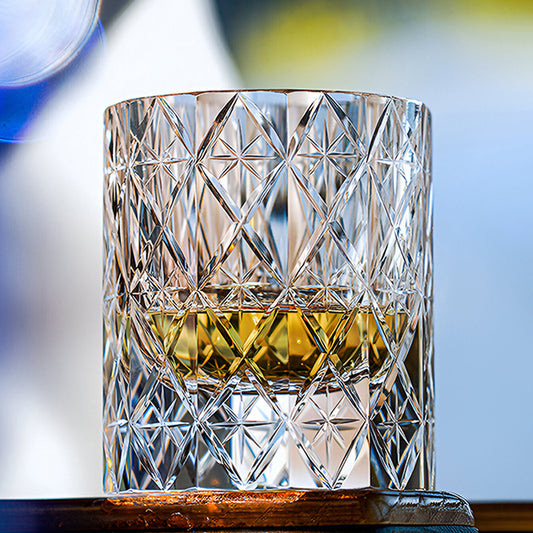
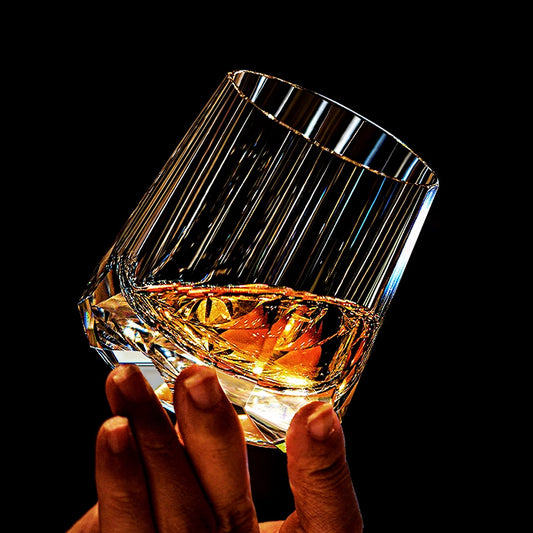
That difference matters. Painted decoration sits on top of a product. Cut glass changes the product itself. The pattern catches light from different angles, especially when the glass is holding whiskey, bourbon, or a clear cocktail over ice.
This is why Edo Kiriko glass has become interesting to premium lifestyle buyers in the United States. It fits the modern home bar trend, but it does not feel like generic barware. It has cultural weight, visible craftsmanship, and a strong gift story.
Many crystal whiskey glasses look elegant. Edo Kiriko adds a more personal layer: you are not only buying a drinking vessel, but also a small piece of traditional japanese craft.
How Did Edo Kiriko History Begin in Tokyo?
The edo kiriko history is closely tied to Tokyo, which was once called Edo. During the Edo period, Japan developed a rich urban culture around merchants, craft workshops, tea, dining, and refined everyday objects.
Glassmaking in Japan was influenced by imported techniques, but local craftsmen gradually shaped it into something distinctive. Edo period glassware was not only about utility. It reflected the taste of a city where design, social life, and hand skill mattered.
The word Kiriko refers to cut glass. Edo Kiriko therefore means cut glass associated with Edo, the old name for Tokyo. Over time, tokyo glass craftsmen became known for extremely precise cutting, balanced patterns, and a visual style that combines restraint with brilliance.
For American readers, a helpful comparison is fine woodworking or hand-engraved silver. The value is not only the material. It is the control of the hand, the patience of the process, and the continuity of a craft language passed from one generation to the next.
Today, Edo Kiriko is recognized as a traditional craft of Japan. Modern pieces may sit on a whiskey shelf in New York, Austin, Los Angeles, or Chicago, but their roots reach back to a city culture formed centuries ago.
What Do Tokyo Glass Craftsmen Actually Do by Hand?
Tokyo glass craftsmen begin with a glass form, often a tumbler, cup, or small bowl. In many Edo Kiriko pieces, a thin colored layer is fused over clear glass. The artisan then cuts patterns into the glass using rotating wheels and careful pressure.
This process sounds simple until you imagine the risk. A line cut too deep, too shallow, or slightly off balance can change the entire appearance of the piece. The craft depends on muscle memory, judgment, and patience.
A typical process may include:
- Design planning: The artisan decides the pattern, spacing, and balance.
- Marking: Guide lines may be added to keep the pattern aligned.
- Rough cutting: Major lines are cut into the colored glass layer.
- Fine cutting: Smaller details sharpen the pattern and create sparkle.
- Polishing: The surface is refined so the glass feels smooth and catches light cleanly.
- Inspection: The final piece is checked for clarity, balance, and finish.
That journey is why handcrafted glassware carries a different emotional value from mass-produced drinkware. Small variations are part of the character. They show the hand behind the object.
For a buyer, this means each Edo Kiriko glass is both functional and expressive. You can drink from it, display it, give it, and talk about it. That combination is powerful for a home bar gift.
How Is Japanese Traditional Glass Art Different From Ordinary Crystal Whiskey Glasses?
Many crystal whiskey glasses are designed around weight, clarity, and a classic profile. Edo Kiriko glass adds another dimension: pattern as cultural language.
Traditional patterns can feel geometric at first glance, but they often reference nature or old design motifs. A starburst may suggest light. A repeated diamond may feel like fish scales or woven texture. Bamboo-like lines can suggest strength and growth.
This gives japanese traditional glass art a quiet storytelling quality. It does not need a logo or loud decoration. The craft speaks through reflection, shadow, and repeated cuts.
| Feature | Standard Whiskey Glass | Edo Kiriko Style Glass |
|---|---|---|
| Main appeal | Weight, clarity, simple shape | Craft, pattern, light, cultural story |
| Visual detail | Usually plain or molded | Hand-cut geometric decoration |
| Best use | Everyday drinking | Home bar, gifting, display, special pours |
| Material feel | Crystal or glass | Japanese crystal or layered cut glass style |
| Gift value | Practical | Practical plus meaningful |
If someone already owns basic barware, an Edo Kiriko inspired piece feels like an upgrade without being excessive. It still does the job of a bourbon glass, but it brings a sense of occasion.
That is why many buyers search for handcrafted japanese glassware when they want something more distinctive than standard department-store drinkware.
Why Is an Edo Kiriko Glass Set a Strong Gift for Men and Home Bars?
An edo kiriko glass set works especially well as a gift because it checks three boxes at once: beauty, usefulness, and story. Many premium gifts fail because they are attractive but impractical. A whiskey glass avoids that problem.
For men who enjoy bourbon, Japanese whisky, Scotch, cocktails, or building a home bar, the glass becomes part of the ritual. It is used when friends visit, when a bottle is opened, or when the day slows down.
It also avoids the problem of generic gifting. Socks, gadgets, and bottles can feel predictable. Handcrafted glassware feels more considered. It says the giver noticed the recipient has taste, routines, and a space worth improving.
Good gift occasions include:
- Father's Day
- Birthday gifts for men
- Anniversary gifts
- Retirement gifts
- Housewarming gifts
- Best man or groomsmen gifts
- Holiday gifts for whiskey lovers
For commercial buyers, the appeal is clear. Crystal whiskey glasses already fit the US gifting market. Edo Kiriko glass adds Japan, Tokyo craft, and Edo period heritage to the purchase decision.
If the buyer is browsing for a unique barware gift, that story can be the difference between a product being admired and a product being remembered.
To explore related styles, Discover Japanese whiskey glasses designed for a refined home bar.
How Should Beginners Choose Handcrafted Japanese Glassware?
If you are new to Edo Kiriko, start with how the glass will be used. A collector may care most about pattern complexity. A home bar buyer may care more about comfort, weight, capacity, and how the piece looks with amber spirits.
For whiskey and bourbon, a low tumbler is usually the easiest choice. It feels stable in the hand, works with large ice cubes, and suits neat pours or simple cocktails. A slightly wider rim can help aroma open up, while a heavier base adds a satisfying feel.
Look for these buying points:
- Pattern clarity: Cuts should look intentional and balanced.
- Comfort: The glass should feel natural to hold, not only beautiful to display.
- Color: Blue, red, amber, black, and clear styles can each create a different mood.
- Use case: Choose a single bourbon glass for personal use or a set for gifting.
- Care requirements: Handwashing is usually the safest choice for fine cut glass.
A practical rule: if the person enjoys rituals, choose a more detailed piece. If the person prefers understated style, choose a cleaner pattern with strong clarity.
For a gift, an edo kiriko glass set often feels more complete than a single glass. For personal use, one standout glass can become a favorite evening piece.
What Makes Edo Period Glassware Relevant to a Modern American Home Bar?
Edo period glassware might sound like a museum topic, but its influence is surprisingly modern. The best home bars today are not only about bottles. They are about atmosphere, hosting, and objects that make ordinary moments feel designed.
That is exactly where Edo Kiriko belongs. It connects old-world craft with a current lifestyle need: people want fewer, better things. A well-made glass can sit on a shelf like decor, serve drinks during a dinner party, and become a conversation starter.
For a US buyer, the cultural background does not have to be complicated. Edo was the former name of Tokyo. Kiriko means cut glass. Edo Kiriko is Tokyo cut glass with a history rooted in Japanese craft culture.
That simple explanation is enough to appreciate the object without overcomplicating it. You do not need to be a collector or historian. You only need to notice how the glass changes when light hits the cuts.
In that moment, the craft becomes easy to understand. The glass is not trying to impress by being loud. It earns attention through detail.
How Do You Style an Edo Kiriko Bourbon Glass at Home?
A bourbon glass made in the Edo Kiriko style looks best when the setting is simple. Let the pattern and the liquid do the visual work.
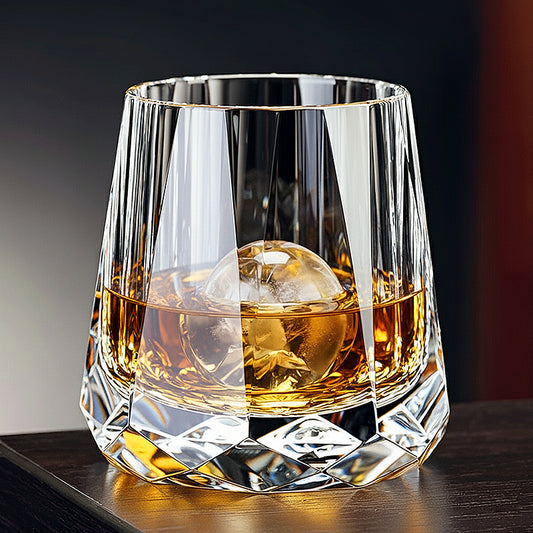
Try it with a walnut tray, a clear ice sphere, a favorite bottle, and warm side lighting. The amber color of bourbon or whiskey pairs beautifully with the reflections from japanese crystal.
For a more contemporary look, place the glass on a black bar mat or dark stone counter. For a warmer gift presentation, pair it with a handwritten note and a small bottle of premium bitters or a cocktail spoon.
Good styling ideas include:
- A single glass beside a decanter for a personal whiskey corner
- A two-piece set for couples or hosting
- A four-piece set for a full home bar shelf
- A glass paired with Japanese whisky for a themed gift
- A red or blue cut glass as a visual accent in a neutral room
When photographing the glass, avoid clutter. Cut glass needs light and space. A clean background helps the lines look sharp and premium.

Care Guide: How Do You Protect Japanese Cut Glass?
Fine japanese cut glass should be treated with more care than everyday tumblers. That does not mean it should stay locked away. It simply means a few habits will keep it beautiful longer.
- Wash by hand with mild soap and warm water.
- Avoid harsh scrub pads that may dull the surface.
- Dry with a soft lint-free cloth to prevent water spots.
- Do not stack fine cut glasses unless the product is designed for stacking.
- Avoid sudden temperature changes, such as boiling water or freezing conditions.
If you are giving an Edo Kiriko glass as a gift, include a simple care note. It makes the gift feel more premium and helps the recipient use it with confidence.
The goal is not to make the glass feel fragile. The goal is to respect the craft so it stays clear, sharp, and enjoyable for years.
Where Can You Find Edo Kiriko Glass for a Premium Gift?
When shopping online, look for clear product photos, close-ups of the cut pattern, size information, and honest descriptions. Be cautious with listings that use vague craft language without showing the actual glass clearly.
A strong product page should help you understand the shape, capacity, color, care needs, and best use case. If the piece is positioned as handcrafted japanese glassware, the page should also explain the design inspiration without making unsupported claims.
For a whiskey lover, prioritize a low tumbler or bourbon glass. For a collector, focus on pattern complexity and display value. For a home bar gift, consider a boxed edo kiriko glass set that feels ready to present.
If you are building a Japanese-inspired barware corner or choosing a meaningful gift, Shop our Edo Kiriko collection for pieces that combine craft, clarity, and everyday usability.
FAQ
What is an Edo Kiriko glass?
An Edo Kiriko glass is a Japanese cut glass piece associated with Tokyo craft traditions. It is usually decorated by cutting geometric patterns into clear or colored glass, creating a bright, reflective surface.
What is the edo kiriko history behind this craft?
The edo kiriko history connects to Tokyo's earlier identity as Edo. Glass cutting developed as an urban craft, and artisans refined the technique into a distinctive form of japanese traditional glass art.
Are tokyo glass craftsmen still making Edo Kiriko today?
Yes. Tokyo glass craftsmen continue to make Edo Kiriko using cutting, polishing, and pattern techniques that require hand skill. Modern designs may vary, but the craft remains closely linked to Tokyo.
Is Edo period glassware the same as modern Edo Kiriko?
Not exactly. Edo period glassware refers to historical glass objects and traditions from the Edo period, while modern Edo Kiriko is a living craft shaped by that heritage and later technical development.
Why is japanese traditional glass art popular for whiskey glasses?
Japanese traditional glass art is popular for whiskey glasses because it combines function with visual ritual. The cuts reflect light, the glass feels special in the hand, and the story adds meaning to a home bar.
Can I use an Edo Kiriko glass as a bourbon glass?
Yes. A low Edo Kiriko tumbler can work beautifully as a bourbon glass, especially for neat pours, whiskey over a large ice cube, or simple spirit-forward cocktails.
Is an edo kiriko glass set a good gift for men?
Yes. An edo kiriko glass set is a strong gift for men who enjoy whiskey, bourbon, design, Japanese culture, or home bar upgrades. It feels useful, personal, and premium without being generic.
Conclusion: Why Edo Kiriko Glass Belongs in a Thoughtful Home Bar
Edo Kiriko glass brings together Tokyo craft, Edo period heritage, and the modern pleasure of a well-made drink. It is beautiful, but not merely decorative. It is practical, but not ordinary.
For curious beginners, it offers an easy entry into japanese traditional glass art. For premium lifestyle buyers, it offers the kind of detail that makes a home bar feel personal. For gift shoppers, it gives the recipient something useful with a story worth telling.
If you want crystal whiskey glasses that feel more distinctive than standard barware, Edo Kiriko is worth considering. Start with one bourbon glass for your own evening ritual, or choose a handcrafted set for a gift that feels considered from the first glance.
Explore Our Collection
Ready to experience the world of Edo Kiriko glass? Browse our curated collection:
Disclaimer: This article is for informational purposes. Products and pricing subject to change.