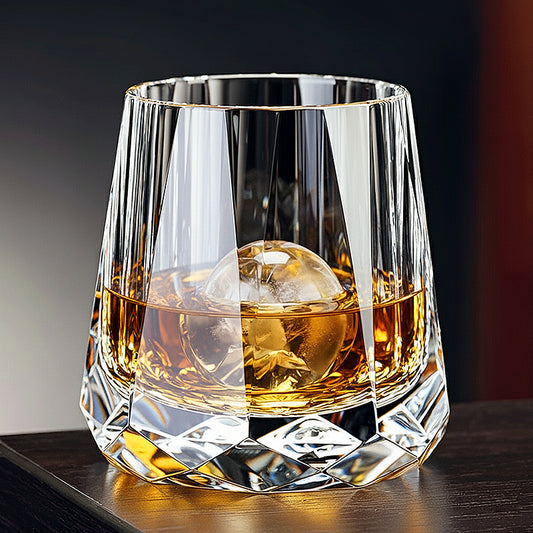

Edo Kiriko Glass: Why It’s So Expensive and Completely Worth It for Whiskey Lovers
Yes, Edo Kiriko glass is expensive because every piece is a handmade masterpiece born from centuries of tradition. I’m Aiden Kuroda, and as someone who’s spent years collecting Japanese barware, I can tell you that a single Edo Kiriko whiskey glass can run anywhere from $200 to over $1,000. The luxury Japanese glassware price isn’t arbitrary—it’s the sum of rare materials, dozens of hours of painstaking labor, and a glass cutting technique that has survived from the Edo period. If you’re sipping a smooth bourbon in a handcrafted Edo Kiriko glass, you’re not just drinking—you’re holding a piece of Tokyo’s cultural soul.
Key Takeaways
- Edo Kiriko glass can cost $200–$1,000+ due to all-handmade production and multi‑stage glass cutting by master artisans.
- The technique originated in 1834 in old Edo (Tokyo) and remains an intangible cultural heritage.
- Each glass takes days to complete, often involving two layers of glass and intricate patterns that scatter light like diamonds.
- Compared to machine‑made crystal, Edo Kiriko offers unmatched uniqueness, tactile beauty, and resale value.
- For a memorable gift for men or a personal upgrade, it’s a worthwhile investment that ages gracefully.
What Is Edo Kiriko Glass?
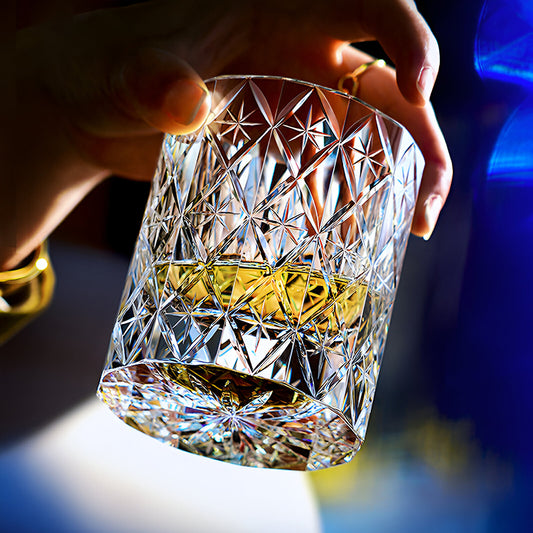
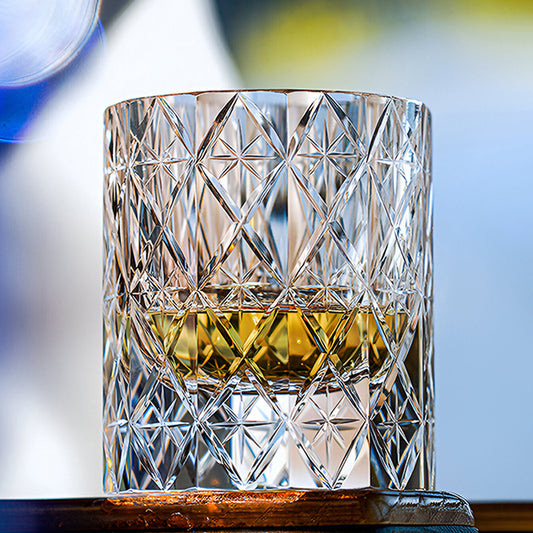
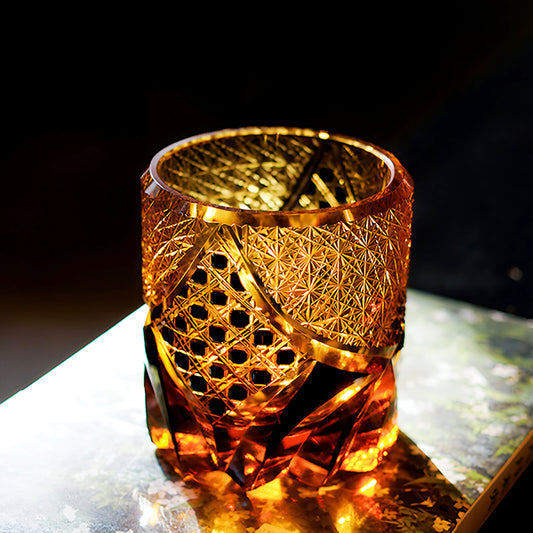
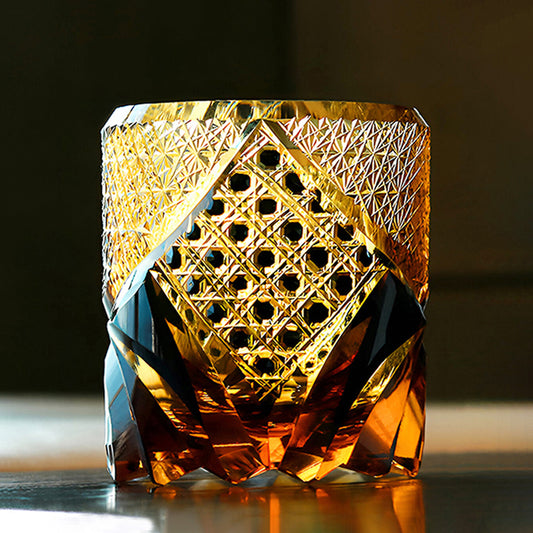
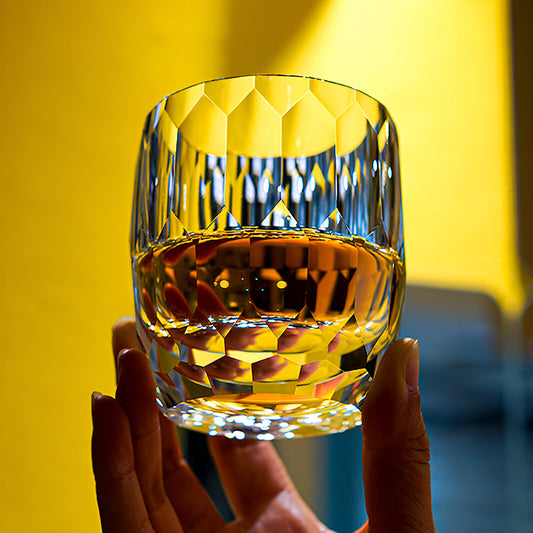
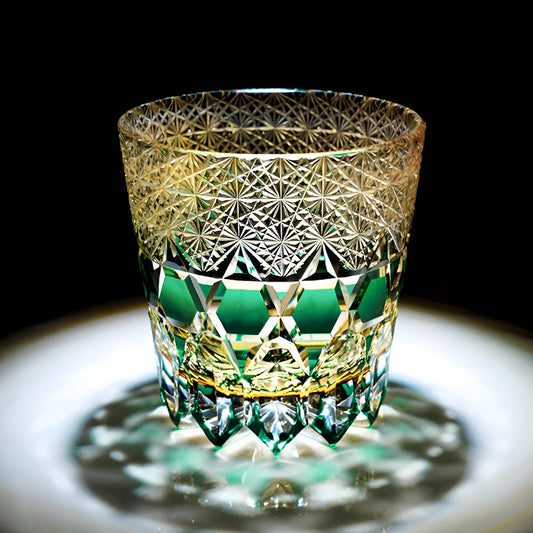
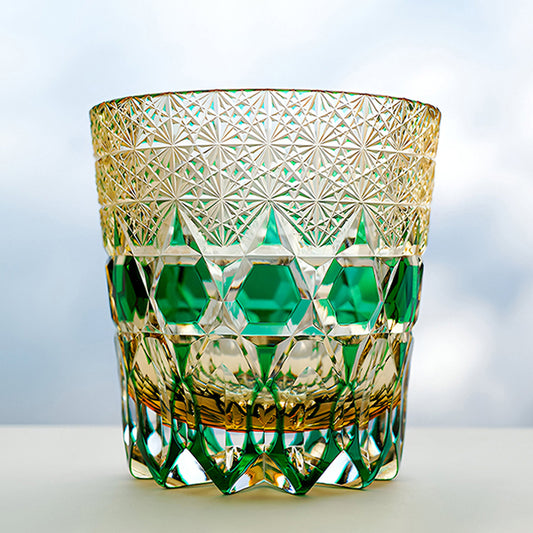
Edo Kiriko (江戸切子) is a traditional Japanese craft of cutting intricate patterns into glassware. It was born in 1834 in Edo—modern‑day Tokyo—when a local artisan first applied diamond‑tipped tools to colorless glass. Over time, craftspeople developed the signature “boro giku” (layered glass) style: a thin outer layer of colored glass fused over clear glass, then hand‑cut so the transparent base peeks through like frozen morning light. The result is a stunning, three‑dimensional effect that makes each whiskey glass or bourbon glass a functional sculpture.
In the US, think of it like a bespoke suit versus off‑the‑rack clothing. Just as a tailored garment fits you perfectly, an authentic Edo Kiriko glass fits the hand and the eye with a warmth no factory piece can replicate.
How Is Edo Kiriko Glass Made? Mastering the Glass Cutting Technique
Every Edo Kiriko glass starts with a raw blown‑glass form, often lead‑crystal for extra brilliance. Artisans apply a thin skin of colored glass—deep blue, emerald, or ruby—by layering while the glass is still semi‑molten. Once cooled, the real magic begins: the glass cutting technique. Using rotating diamond or stone wheels, the cutter carves away microscopic slivers of the outer layer, revealing the clear glass beneath.
This isn’t a CNC machine job. I’ve watched masters in Tokyo work for eight hours straight on a single tumbler, never lifting their eyes from the wheel. The patterns—asami (fine stripes), nanako (fish roe), kagome (woven bamboo)—require absolute precision. A single mistake and the piece is ruined. That’s why even a modest Edo Kiriko whiskey glass carries days of labor inside its walls. It’s this handcrafted glassware ethos that pushes the Edo Kiriko glass price into luxury territory.
Why Is Edo Kiriko Glass So Expensive? Breaking Down the Cost
When you see a $500 price tag, your first reaction might be, “For a glass?” I get it. Let’s unpack the luxury Japanese glassware price piece by piece so you can decide if Edo Kiriko is worth it for you.
1. Skilled Human Labor, Not Machines
There are fewer than 100 recognized Edo Kiriko artisans left, most training for a decade before they’re allowed to create solo. No machine can replicate the subtle irregularity of a hand‑cut groove—that’s the soul of the work. A complex pattern like juu-ni-kazura (twelve vines) can take over 40 hours to finish. Compare that to a machine‑pressed crystal tumbler made in seconds, and the Japanese whiskey glass cost begins to make sense.
2. Dual‑Layer Glass Construction
Unlike single‑layer glasses, Edo Kiriko uses “glass within glass.” The base is often lead‑crystal for clarity and weight; the outer layer is soda‑glass in vibrant colors. Fusing two different thermal expansion rates without cracking requires expert knowledge. Even sourcing the raw blanks from specialized glassblowers adds to the final Edo Kiriko glass price.
3. Heritage and Rarity
Edo Kiriko is designated a Tokyo Intangible Cultural Heritage. Pieces from renowned studios like Kagami Crystal or Kimura Glass aren’t mass‑produced; they’re released in tiny batches, often seasonal collections. Limited supply and a growing global appetite for authentic Japanese barware mean demand far outstrips production. For collectors, these glasses appreciate over time, much like a limited‑edition watch.
4. The Invisible Details
After cutting, every glass is polished by hand—a process that can take another full day. The rim is often flame‑polished for a buttery‑smooth mouthfeel, a detail that distinguishes a genuine luxury item. This obsessive finishing is why you’ll never see bubbles, uneven edges, or scratchy cuts on a genuine Edo Kiriko whiskey glass.
Still wondering “Is Edo Kiriko worth it?” Let’s compare.
Edo Kiriko vs. Standard Crystal Glasses: A Price‑Value Comparison
| Feature | Edo Kiriko Glass | Standard Crystal Tumbler |
|---|---|---|
| Production method | Fully hand‑cut by a master artisan | Machine‑pressed or laser‑etched |
| Time to make one glass | 20–60 hours | Seconds to minutes |
| Materials | Dual‑layer lead crystal + colored glass | Single‑layer glass or basic crystal |
| Uniqueness | No two identical; tiny variations | Mass‑produced, uniform |
| Tactile quality | Subtle texture, weighted balance | Smooth, often too light or heavy |
| Cultural heritage | Tokyo Intangible Cultural Heritage | None |
| Average price | $200–$1,000+ | $20–$80 |
| Gift impression | “He remembered everything about me” | “Nice, I needed a glass” |
If you’re building a home bar that tells a story, an Edo Kiriko glass is an heirloom, not a barware commodity. That’s the difference that drives the Edo Kiriko glass price.
How Much Does a Japanese Whiskey Glass Cost? Real Pricing Guide
Let’s get concrete. An entry‑level Edo Kiriko whiskey glass with a simple asami pattern might start at $180–$250. Mid‑range pieces with dense nanako or spherical carving range from $300–$600. Museum‑grade work by Living National Treasures can exceed $2,000. This Japanese whiskey glass cost is similar to a fine Swiss watch strap or a pair of handmade leather shoes—it’s an investment in everyday ritual.
For reference, a mass‑produced “Japanese‑style” cut glass from a department store might cost $40. It will lack the weight, the depth of color, and the subtle light play. That’s not to shame it—but if you’re considering whether the luxury Japanese glassware price is justified, you need to know that the chasm in craftsmanship is oceanic.
Is Edo Kiriko Worth It for the Everyday Drinker?
I’ll be honest: if you’re looking for a vessel to pour your Wednesday‑night bourbon without thinking, no. But if you appreciate the way a handcut glass focuses aroma, how it feels heavy and cool in your palm, and how it glows under low light, then yes—Edo Kiriko is absolutely worth it. It transforms the act of pouring a dram into a small ceremony. And as unique whiskey glasses for men, they outclass any monogrammed tumbler. I’ve gifted an Edo Kiriko whiskey glass to friends; they treat it like jewelry.
The ritual matters. When you hold a beautifully carved Japanese whiskey glass, the bourbon’s caramel notes seem brighter, the oak smoother. That might be placebo, but the multisensory experience—the weight, the texture, the sight of liquid through cut crystal—is undeniably elevated.
Who Should Buy an Edo Kiriko Whiskey Glass?
This isn’t for everyone, and that’s the point. You should invest in one (or a pair) if you:
- Collect authentic Japanese barware or want to start a meaningful collection.
- Seek a standout gift for a milestone—a 40th birthday, a promotion, a wedding. Among unique whiskey glasses for men, few carry this much story.
- Appreciate slow‑craft and want a tactile reminder of patience and beauty on your shelf.
- Value pieces that age gracefully and can be handed down.
- Are building a premium home bar where every object has intention.
If you’re still on the fence, I recommend starting with one signature glass from a trusted atelier. Discover Japanese whiskey glasses that balance accessible price and authentic technique. Once you feel the difference, you’ll understand why the Edo Kiriko glass price is a reflection of its soul, not a markup.
How to Care for Your Edo Kiriko Glass
A luxury item deserves luxury care. Hand wash only—never put an Edo Kiriko glass in the dishwasher; the heat and detergents can dull the cut edges and weaken the color layer. Use lukewarm water with a drop of mild soap, then pat dry with a lint‑free cloth. Store upright, not stacked, to protect the intricately carved rims. With these small habits, your glass will remain as brilliant as the day it left Tokyo.
If you decide to expand your collection, explore luxury whiskey glasses that showcase different patterns and colorways—each one a new conversation at your home bar.
FAQ: Edo Kiriko Glass Price and Value
Why is Edo Kiriko glass so expensive?
As outlined above, the intense hand labor, dual‑layer construction, and cultural prestige all combine to create a cost that reflects artistry rather than utility.
Is Edo Kiriko worth it compared to cheaper crystal glasses?
If you want a functional glass, no. If you want a daily reminder of human excellence, yes. The tactile joy and visual depth are leagues apart, and for many, that makes the Edo Kiriko glass price a worthy splurge.
How much does a Japanese whiskey glass cost on average?
Count on $200–$500 for a genuine piece that carries authentic Japanese whiskey glass cost. Museum‑level pieces go higher, but most home bars find their sweet spot in that range.
What’s the difference between Edo Kiriko and machine‑cut glass?
Human imperfection versus industrial perfection. The hand‑cut glass has a vitality you can feel with your fingertips. Machine‑cut lacks that soul and the layered color technique.
How can I tell if an Edo Kiriko glass is authentic?
Check for the artisan’s mark, ask about the glass‑blowing method, and examine the rim—authentic pieces have a flawless fire‑polished edge. And always purchase from established sources, like the collections we link to throughout this article.
Is Edo Kiriko a good gift for men?
It’s one of the finest unique whiskey glasses for men you can give. Whether he’s a bourbon enthusiast or a lover of Japanese culture, this glass shows deep thoughtfulness and style.
At the end of the day, an Edo Kiriko glass isn’t an expense; it’s a passport to a richer ritual. The Edo Kiriko glass price simply reflects the time, mastery, and heritage poured into every facet. If you’re ready to elevate your sips, I don’t think you’ll regret it.
Explore Our Collection
Ready to experience the world of Edo Kiriko glass? Browse our curated collection:
Disclaimer: This article is for informational purposes. Products and pricing subject to change.