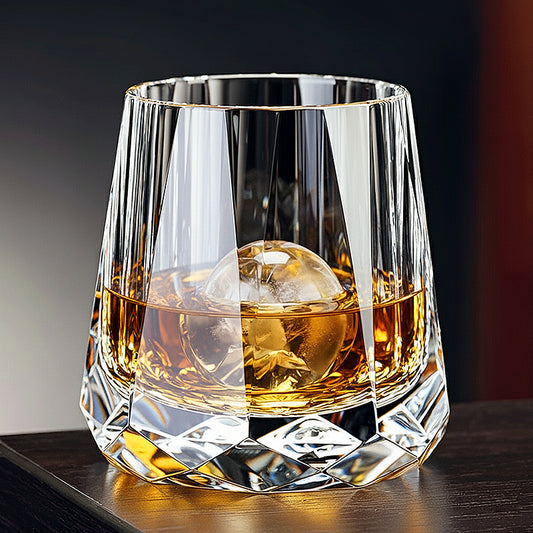

Edo Kiriko Glass: Why It Costs More—and How to Buy One with Confidence
Short answer: an Edo Kiriko glass is expensive because it combines Japanese crystal, hand-cut precision, rare artisan skill, and hours of labor in a single usable object. Think of it like buying a hand-stitched Italian leather wallet or a small-batch bourbon: the price reflects materials, time, heritage, and the person behind the work.
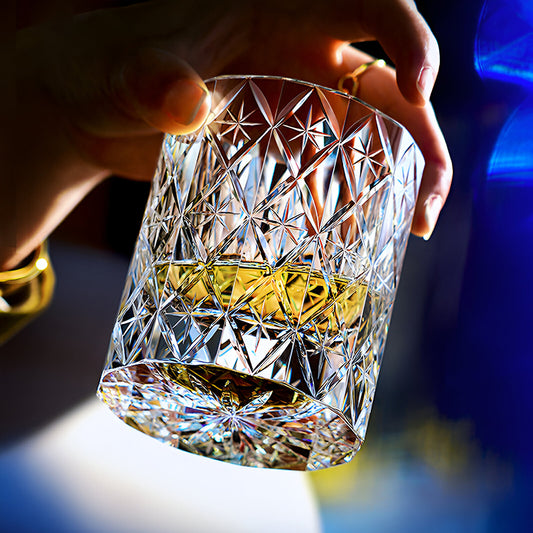
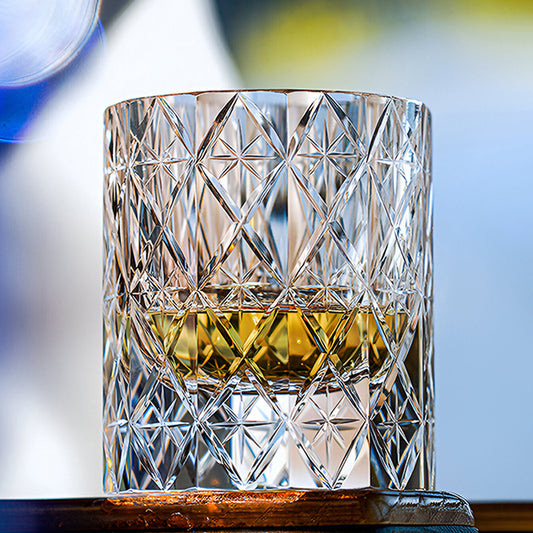
For a home bar, a Japanese whiskey glass in the Edo Kiriko style turns a simple pour into a premium ritual. It is not just a drinking vessel; it is functional art made for whiskey, bourbon, cocktails, or a thoughtful gift for men who appreciate craftsmanship.

Key takeaways: why does Edo Kiriko glass cost more?
- It is hand-cut, not just molded. A tokyo craftsman cuts patterns into layered glass using rotating wheels and years of muscle memory.
- The craft has deep roots. Edo Kiriko developed in Tokyo from the Edo period tradition of decorative cut glass.
- Precision is the luxury. Clean lines, even depth, symmetry, and polish take time and skill.
- Real pieces are limited. Skilled makers cannot mass-produce them like factory tumblers.
- Value depends on craftsmanship. The edo kiriko glass price changes based on artisan, pattern complexity, materials, size, and finish.
Why is Edo Kiriko glass expensive?
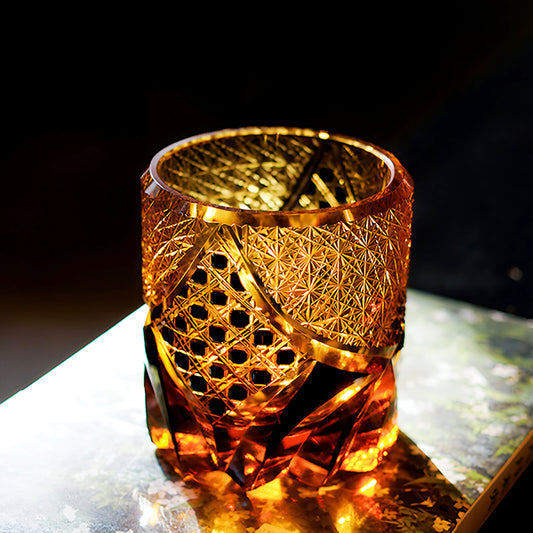
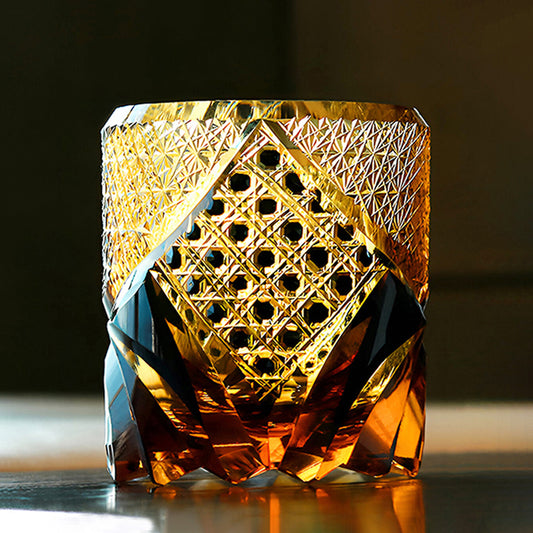
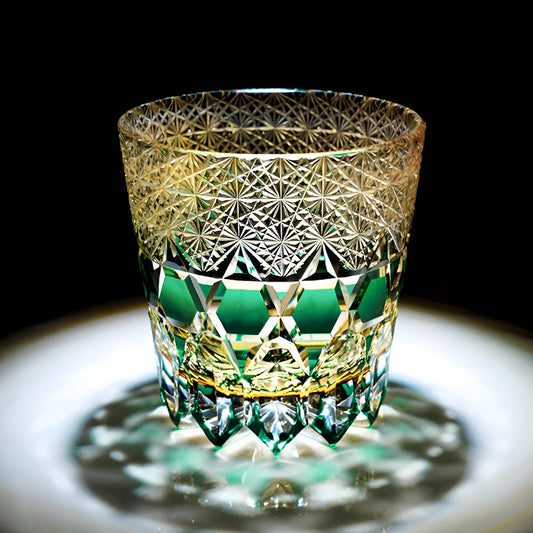
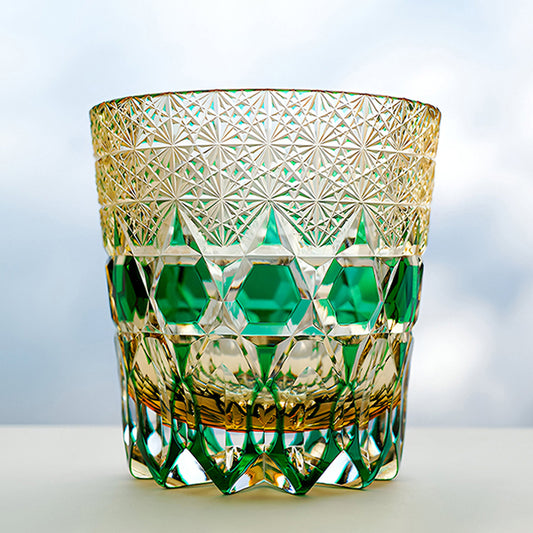
Edo Kiriko glass is expensive because it is a traditional japanese craft that relies on hand cutting rather than automated decoration. In simple terms, the artisan starts with a colored or layered glass blank, then cuts geometric patterns through the outer layer to reveal clear glass beneath. The sparkle comes from tiny angled cuts catching light from many directions.
That sounds simple until you imagine carving straight, identical lines around a curved surface with no undo button. If the wheel slips, the design can be ruined. If the pressure is uneven, the pattern loses its crispness. If the polishing is poor, the glass looks cloudy instead of brilliant.
In the United States, a useful comparison is custom cowboy boots, hand-engraved silver, or a handmade chef’s knife. Two items may serve the same purpose as their mass-market versions, but the value lives in the specialist labor. You can buy a basic bourbon glass cheaply, but a handcrafted japanese glassware piece carries a different story, look, and tactile experience.
Edo Kiriko began in Japan during the late Edo period, when glass cutting techniques grew in Edo, the former name of Tokyo. Today, the craft is still associated strongly with Tokyo and is recognized as a refined form of Japanese barware and giftware. That heritage matters because buyers are not just paying for a cup; they are paying for a living craft tradition.
Is Edo Kiriko worth it for a home bar or gift?
If you are asking is edo kiriko worth it, the answer depends on what you value. If you only need something to hold whiskey, a basic tumbler works. If you want a glass that adds ceremony, beauty, and conversation to a pour, Edo Kiriko can be worth the premium.
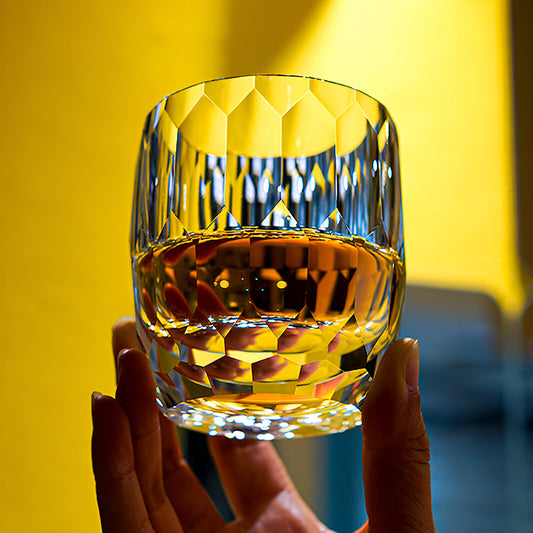
For premium lifestyle buyers, the appeal is emotional as much as practical. The weight in the hand, the faceted cuts, and the way amber whiskey glows through red, blue, green, or clear crystal create a moment. It is similar to using a mechanical watch instead of checking your phone for the time. Both work, but one turns function into experience.
As a gift, an Edo Kiriko-style Japanese whiskey glass is especially strong because it feels personal without being too risky. Many men already own watches, wallets, or tech gadgets. Fewer own a handcrafted glass that looks at home next to a good bottle of bourbon, Japanese whisky, or rye.
It is also a practical luxury. Unlike a decorative object that sits on a shelf, a quality glass can be used during Friday night pours, dinner parties, holidays, or quiet evenings. For shoppers looking for unique whiskey glasses for men, Edo Kiriko offers rarity without being loud or trendy.
If you are building a refined home bar, you can Browse crystal whiskey glass sets to compare silhouettes, colors, and gift-ready options.
What affects luxury japanese glassware price?
The phrase luxury japanese glassware price can cover a wide range. Some pieces are accessible premium gifts, while others are collector-grade works from celebrated artisans or workshops. The price usually reflects several factors working together.
1. The artisan or workshop
A glass made or finished by a respected tokyo craftsman generally costs more than a generic cut-glass tumbler. Reputation matters because it signals consistency, training, and design knowledge. In craft markets, the maker is part of the product.
2. Complexity of the cut pattern
Simple lines take less time. Dense patterns with stars, latticework, chrysanthemums, diamonds, or overlapping cuts require greater precision. More cuts mean more labor, more risk, and more polishing.
3. Material quality
Japanese crystal and high-quality glass can deliver better clarity, weight, and brilliance. Not all crystal is equal. The base material influences how light moves through the finished piece and how satisfying it feels in the hand.
4. Color layering
Many Edo Kiriko designs use colored glass layered over clear glass. The artisan cuts through the color to reveal transparent lines. Rich, even color and clean contrast can increase both beauty and cost.
5. Finishing and polishing
After cutting, the glass must be polished so the facets shine. This step is easy to underestimate. A poorly finished piece may have rough cuts or dull surfaces, while a superior one looks sharp, bright, and refined.
6. Rarity and availability
Hand production limits supply. Unlike factory glassware that can be produced by the thousands, high-quality Edo Kiriko-style glassware is made in smaller batches. Limited supply supports a higher price, especially for desirable patterns or colors.
What is a fair Edo Kiriko glass price?
A fair edo kiriko glass price depends on authenticity, design, and use case. In the US market, shoppers may see prices ranging from approachable premium tumblers to expensive artisan pieces. A simple, machine-assisted decorative glass may be far less costly than a true hand-cut piece from Japan.
As a practical guide, consider the following comparison. Prices vary by retailer, maker, exchange rates, and import costs, but the categories help explain what you are paying for.
| Category | Typical use | What drives value | Buyer fit |
|---|---|---|---|
| Basic whiskey tumbler | Everyday drinks | Function, durability, low cost | Casual drinkers |
| Premium crystal bourbon glass | Home bar upgrade | Weight, clarity, shape, brand | Whiskey and bourbon fans |
| Edo Kiriko-style glass | Gift, display, sipping whiskey | Japanese-inspired cut design, color, presentation | Gift buyers and style-focused hosts |
| Authentic artisan Edo Kiriko | Collecting, luxury gifting | Hand-cut craft, artisan reputation, rarity | Collectors and premium buyers |
When comparing products, do not look at price alone. Look at the cut quality, pattern alignment, glass thickness, color depth, and whether the piece is described as handmade, hand-cut, or inspired by Edo Kiriko style. These details change the value dramatically.
For a gift, packaging also matters. A glass that arrives in a refined box can feel more complete, especially for birthdays, Father’s Day, groomsmen gifts, retirement gifts, or client appreciation.
How much should you expect japanese whiskey glass cost to vary?
The japanese whiskey glass cost varies because the term can describe several different products. A Japanese whiskey glass may be a minimalist tumbler, a nosing glass, a handmade ceramic cup, or a Japanese crystal cut-glass piece. Edo Kiriko sits near the luxury end because it adds decorative handwork and cultural value.
In American terms, compare it to the difference between a standard steakhouse knife and a hand-forged Japanese chef’s knife. Both cut, but one has a level of material care and craft identity that changes the ownership experience.
A higher price may be justified when the glass offers three things: beautiful design, excellent hand feel, and credible craftsmanship. If a glass lacks those qualities, a high price may simply be branding. Smart buyers should look for product photography that shows the cut details, close-ups of the pattern, and clear information about materials or production methods.
If your goal is to pair a glass with whisky from Japan, smoky Scotch, or small-batch bourbon, shape matters too. A rocks glass with a stable base works well for neat pours, large ice cubes, and old fashioneds. A slightly narrower rim can help concentrate aroma, while a wide tumbler feels classic and relaxed.
To explore options designed specifically for whiskey service, Discover Japanese whiskey glasses that balance visual impact with everyday usability.
How does Edo Kiriko compare to regular bourbon glass options?
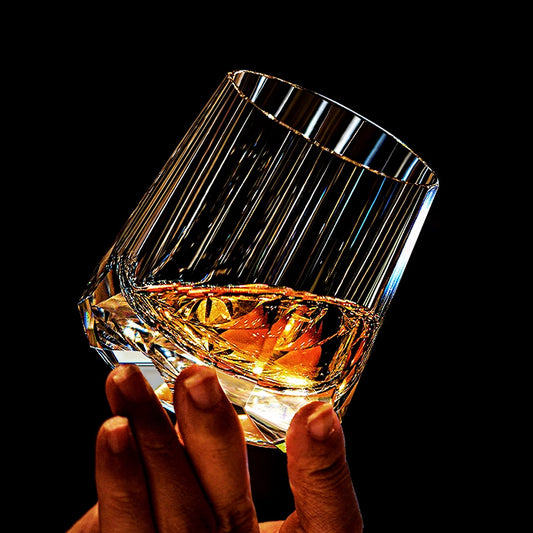
A standard bourbon glass is usually designed around function: a solid base, enough room for ice, and a comfortable rim. Edo Kiriko adds a visual and tactile layer. The cut pattern gives your fingers texture, while the facets create reflections that make whiskey look warmer and more dimensional.
That does not mean every drink needs a luxury glass. If you are hosting a large party, basic tumblers are easier. But for a slow pour after dinner, a special anniversary toast, or a top-shelf bottle, an Edo Kiriko-style glass feels appropriate.
The difference is similar to drinking coffee from a paper cup versus a handmade ceramic mug. The beverage may be the same, but the experience is not. Edo Kiriko invites you to slow down, notice the color, and treat the drink as something worth savoring.

What should beginners look for before buying handcrafted japanese glassware?
Beginners should focus on clarity, cut quality, comfort, and credibility. You do not need to be a collector to make a good choice. Use the checklist below before buying handcrafted japanese glassware.
- Pattern sharpness: Lines should look intentional, clean, and balanced.
- Comfort: The glass should feel stable, not awkward or overly delicate for your intended use.
- Color: Red, blue, green, amber, and clear designs all have different moods. Choose based on the recipient’s bar style.
- Capacity: For whiskey or bourbon, a rocks glass size is versatile for neat pours, ice balls, and cocktails.
- Care instructions: Many fine glasses should be hand washed to protect brilliance and cuts.
- Gift presentation: A box or premium packaging improves the gifting experience.
If buying for someone else, think about their lifestyle. A minimalist may prefer clear or smoky tones. Someone with a dramatic home bar may love bold red or deep blue. A collector may appreciate a more complex traditional pattern tied to Japan or Tokyo craft heritage.
For unique whiskey glasses for men, avoid gimmicks if the recipient has premium taste. A clean, well-made glass with cultural depth usually ages better than novelty barware.
Why does the Edo period matter to Edo Kiriko value?
The Edo period matters because it gives Edo Kiriko its cultural context. Edo was the name of Tokyo before it became the modern capital of Japan. During that era, urban craft culture flourished, and decorative techniques developed among skilled makers serving merchants, samurai families, and city households.
Modern Edo Kiriko is not valuable only because it is old-looking. It is valuable because it connects a present-day object to a long line of refinement. For US buyers, it is similar to why Shaker furniture, Navajo silverwork, or Kentucky bourbon heritage can carry meaning. The object is useful, but the backstory deepens appreciation.
When a traditional japanese craft survives into modern life, it often does so because people continue to use it. That is the beauty of Edo Kiriko glass: it can sit in a display cabinet, but it can also hold your favorite whiskey on a Tuesday night.
FAQ: Edo Kiriko glass price and value
Is Edo Kiriko worth it for whiskey lovers?
Yes, Edo Kiriko can be worth it for whiskey lovers who care about presentation, hand feel, and craftsmanship. It will not change the liquid itself, but it can change the way the drinking experience feels, especially for neat pours, bourbon, Japanese whisky, and premium cocktails.
What is the typical Edo Kiriko glass price?
The Edo Kiriko glass price varies widely based on artisan, pattern, material, and authenticity. Simpler Edo Kiriko-style pieces may be more accessible, while authentic hand-cut works from respected Japanese makers can cost much more because of labor and rarity.
Why is luxury japanese glassware price higher than regular glassware?
Luxury japanese glassware price is higher because the glass often includes better materials, hand finishing, detailed cutting, and smaller production runs. You are paying for craft skill and design, not only the raw glass.
How much does japanese whiskey glass cost for a good gift?
Japanese whiskey glass cost depends on whether you choose a simple tumbler, premium crystal, or an Edo Kiriko-style glass. For a memorable gift, focus less on the lowest price and more on cut quality, packaging, and whether the design fits the recipient’s home bar.
Is an Edo Kiriko glass good for bourbon?
Yes. An Edo Kiriko glass works beautifully as a bourbon glass, especially for neat pours, rocks pours, and old fashioneds. The cut crystal style highlights the amber color of bourbon and adds a premium feel to the ritual.
How do I care for Japanese crystal glassware?
Hand wash it with mild soap, use a soft sponge, and dry with a lint-free cloth. Avoid dishwashers, sudden temperature changes, and stacking. Fine Japanese crystal should be treated like premium stemware or a hand-finished knife: practical, but worth caring for properly.
Conclusion: paying for craft, not just a cup
Edo Kiriko glass is expensive because it blends Japanese crystal, hand cutting, cultural heritage, and limited artisan labor. For beginners, the simplest way to understand the price is this: a regular glass is a container, while Edo Kiriko is a crafted experience.
If you want a standout Japanese whiskey glass for your own home bar or a refined gift for someone who enjoys bourbon, whisky, and design, Edo Kiriko-style glassware is worth considering. Choose based on craftsmanship, comfort, beauty, and the story you want the glass to tell.
Ready to compare styles? Browse curated crystal whiskey glass sets or discover Japanese whiskey glasses that bring traditional Japanese craft into a modern American home bar.
Explore Our Collection
Ready to experience the world of Edo Kiriko glass? Browse our curated collection:
Disclaimer: This article is for informational purposes. Products and pricing subject to change.