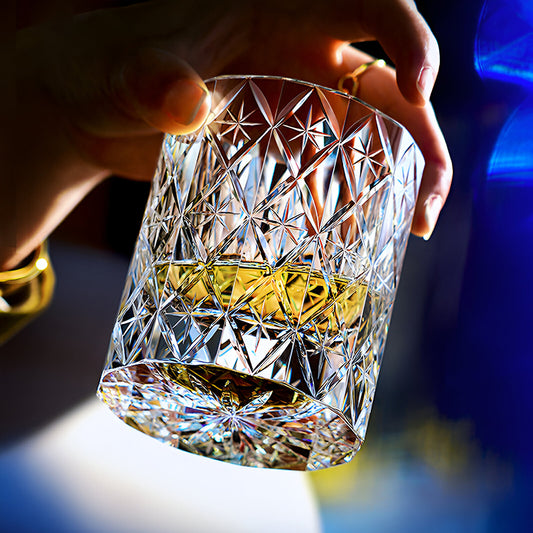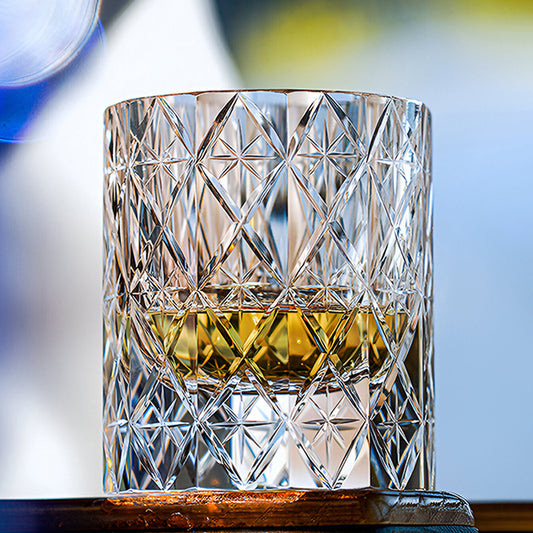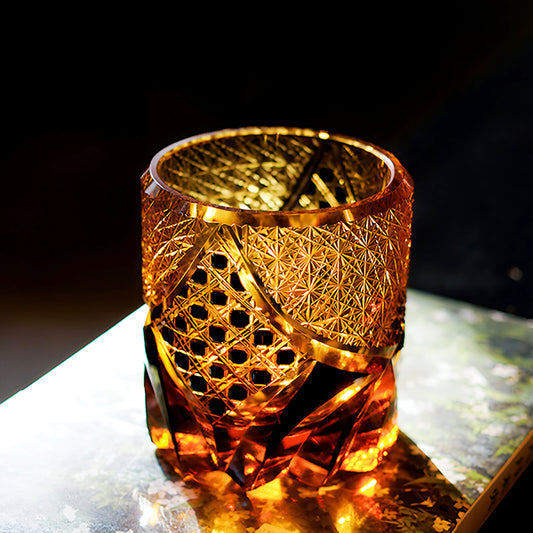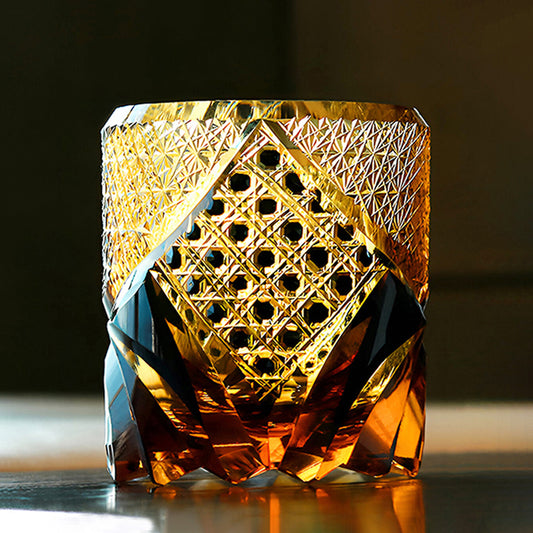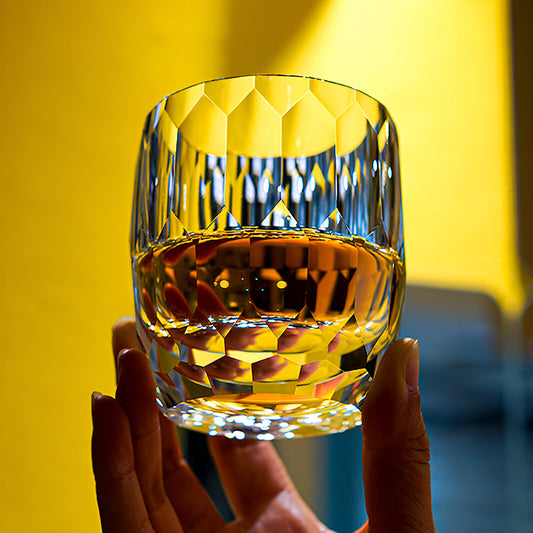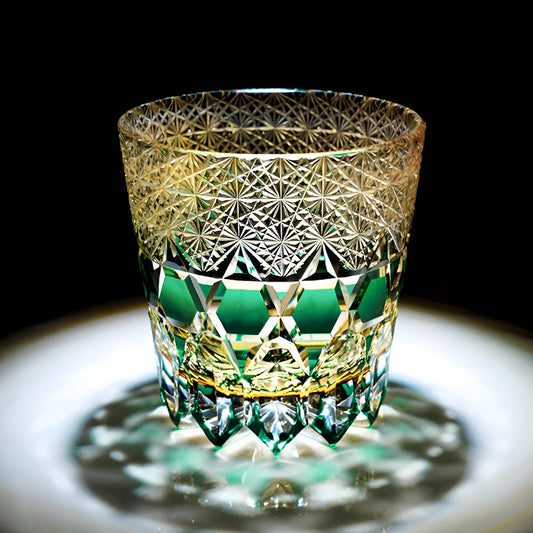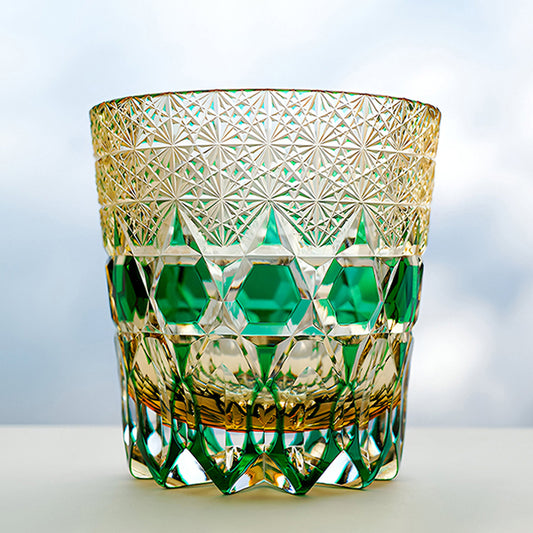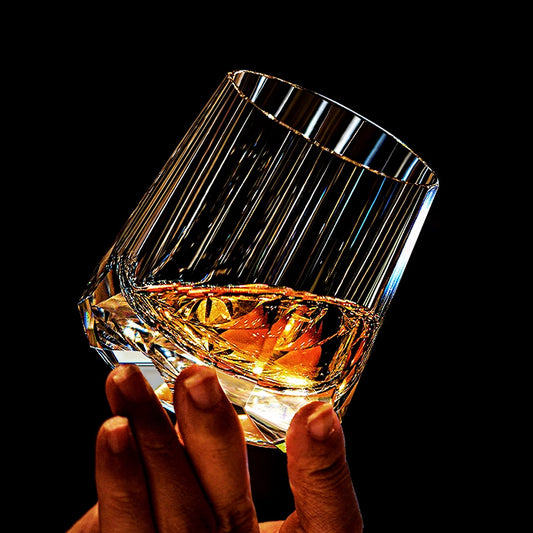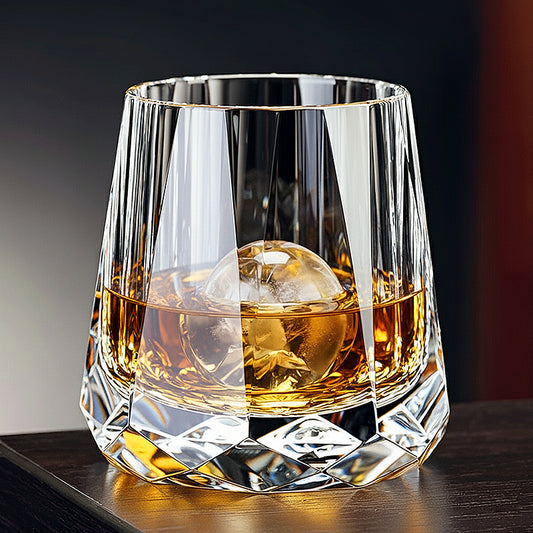


When you hold a Edo Kiriko glass in your hand, you are gripping over 200 years of Japanese history. More than just a drinking vessel, each piece represents one of Japan most celebrated crafts — a tradition so revered it was designated an intangible cultural heritage by the Tokyo Metropolitan Government.
The Origins of Edo Kiriko
Edo Kiriko, literally meaning "Edo cut glass," originated in Edo (now Tokyo) during the late 18th century. The craft emerged during the Bunka era (1804-1818) when a glassmaker named Kagaya Kageyasu pioneered the technique of cutting intricate patterns into glass using rotating iron wheels and abrasive compounds.
Unlike other glass-cutting traditions that relied on molds or etching, Edo Kiriko is defined by its freehand carving. Artisans sketch designs directly onto the glass surface before cutting — each stroke of the wheel is permanent, demanding surgical precision and years of apprenticeship.
What Defines Edo Kiriko?
Authentic Edo Kiriko is characterized by several key elements:
- Hand-cut patterns: Every line, curve, and motif is carved by hand using iron wheels coated with progressively finer abrasives
- Translucent color: Traditional Edo Kiriko uses overlaid colored glass — typically cobalt blue, crimson, or amber — with transparent crystal cutaways revealing the color beneath
- Geometric and nature motifs: Common patterns include chidori, seigaiha, asa-no-ha, and kikyo
- No two identical: Because every cut is made by hand, no two Edo Kiriko pieces are exactly alike
The Craftsmanship Behind Each Glass
Creating a single Edo Kiriko whiskey glass can take an artisan anywhere from several days to weeks.
Edo Kiriko in Modern Japan
Today, Edo Kiriko remains a living art form practiced by master craftsmen in Tokyo. In 2002, it was officially designated as a Tokyo Metropolitan Traditional Craft.
Why Edo Kiriko Makes the Perfect Whiskey Glass
Beyond its aesthetic beauty, Edo Kiriko glass offers weight and balance, thermal resistance, light refraction, and serves as a conversation piece.
Collecting Edo Kiriko
For collectors, authentic Edo Kiriko pieces are identified by a certificate of authenticity, the craftsman seal, and quality of cut.
Experience Edo Kiriko
Explore Kingwares collection of crystal whiskey glasses and discover why centuries of Japanese artistry belong in your hands.