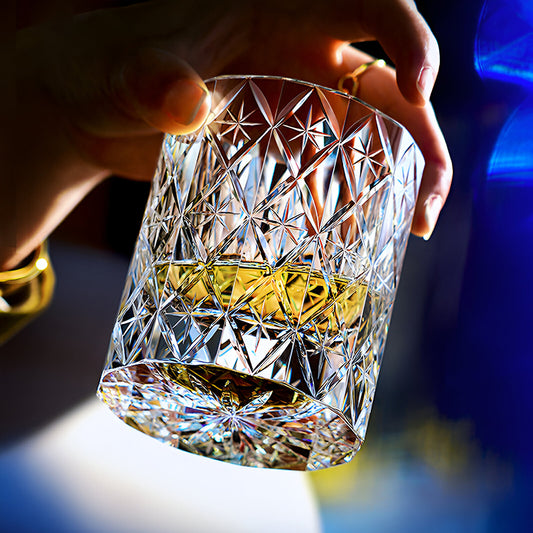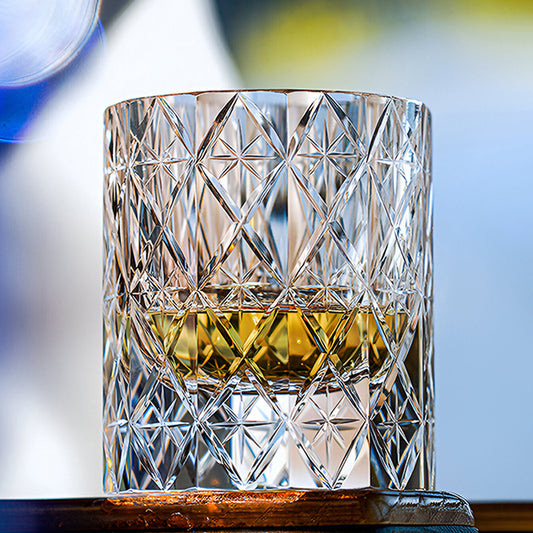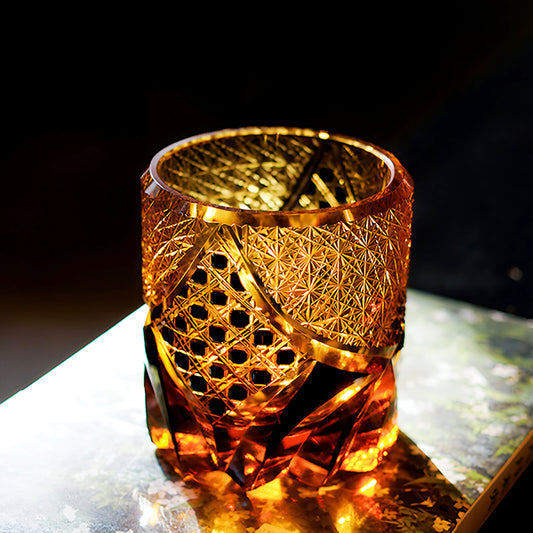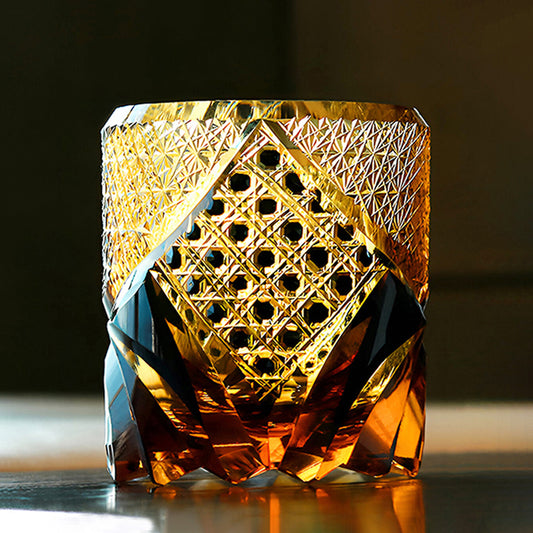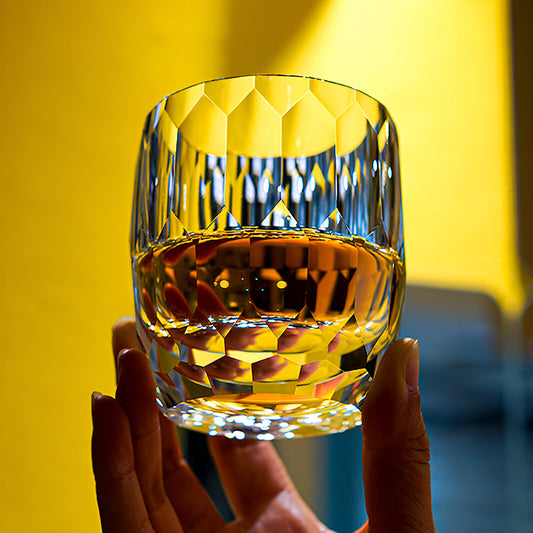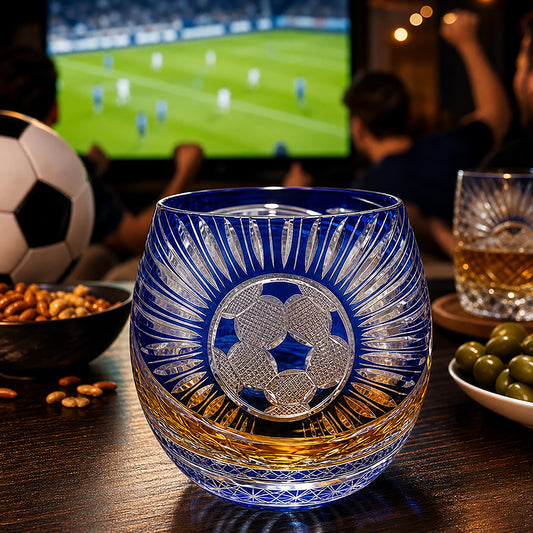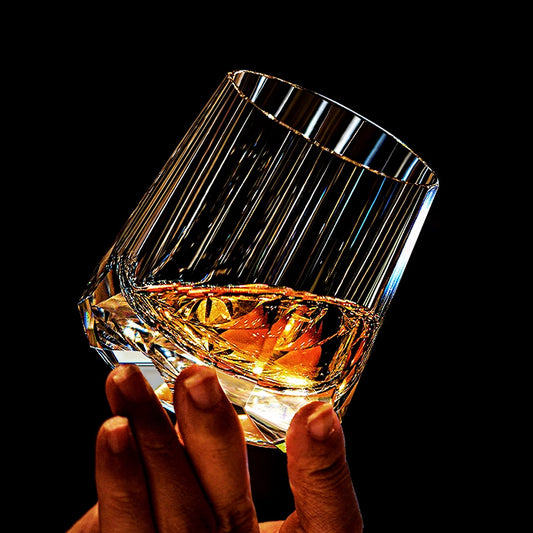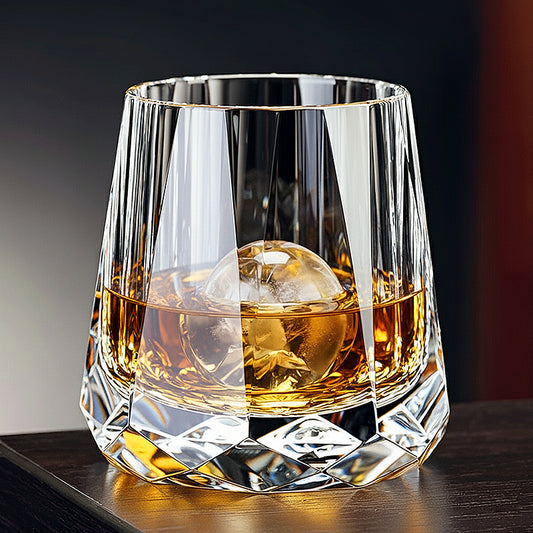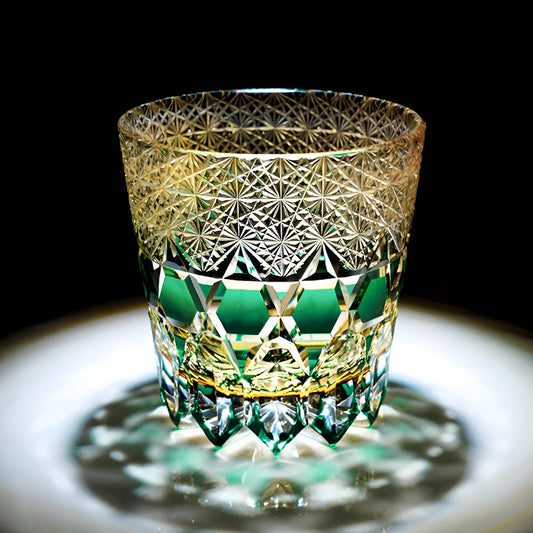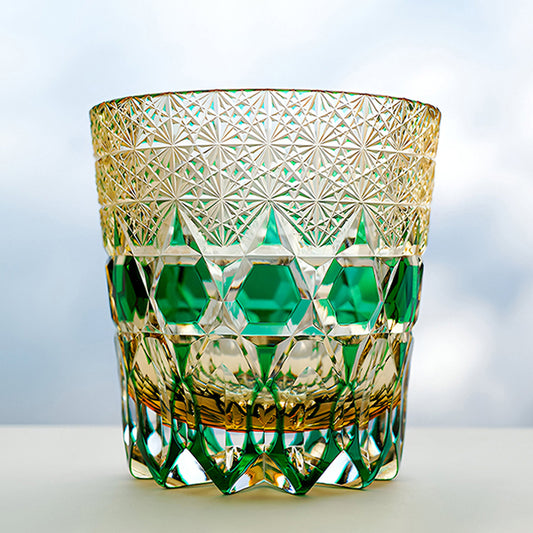

Spotting authentic Edo Kiriko glass isn’t rocket science—you just need to know what to look for: sharp, hand-cut facets, subtle tool marks, and the unmistakable ring of real crystal. I’ve spent years collecting and gifting Japanese cut glass, and I’ve seen too many people get duped by mass-produced replicas. That’s why I’m laying it all out: no fluff, just the real signs that tell you a piece of Edo Kiriko glass is the genuine article when it lands on your home bar. Because when you’re pouring a fine Japanese whisky, the glass should tell a story, not a shortcut.
Key Takeaways
- Authentic Edo Kiriko is entirely hand-cut by skilled artisans—no two pieces are identical.
- Real pieces use lead crystal or high-clarity soda-lime glass, with deep, precise, and sharp-angled cuts.
- Tool marks, slight asymmetry, and a bright, resonant “ring” are hallmarks of genuine handcrafted Japanese glassware.
- Fakes often feel heavier, lack interior brilliance, and have rounded, blurry cuts.
What Exactly Is Edo Kiriko Glass and Why Does Authenticity Matter?
Edo Kiriko is a traditional glass cutting technique that dates back to the late Edo period (1834) in Tokyo. The craft began when a skilled glassblower, Kagaya Kyubei, started applying the same engraving methods used on metal and crystal to glassware. Over nearly two centuries, Edo Kiriko evolved into an intricate art form defined by its kaleidoscopic patterns, delicate latticework, and a play of light that turns a simple tumbler into a luxury statement.
Why does authenticity matter? Because a real Edo Kiriko glass carries the weight of that heritage. Each piece is a physical conversation between the artisan, the raw Japanese crystal, and the centuries-old glass cutting technique. When you buy a genuine article, you’re not just acquiring a vessel for your drink; you’re owning a slice of living history. And frankly, a fake simply can’t deliver the same visual drama or tactile pleasure that makes a perfect Old Fashioned feel even better.
How Can You Identify Real Japanese Glass Using Traditional Process Markers?
One of the most reliable paths to japanese glass identification is to examine the physical evidence of the making process. Authentic Edo Kiriko isn’t just hand-cut; it’s hand-cut in a very specific sequence. Typically, a blank glass is first mouth-blown or pressed, then it’s passed to a Kiriko artisan who uses a rotating iron wheel to grind patterns into the surface—without any lasers, without any acid.
Here’s what I always check:
- Fine polishing lines. Under a magnifying glass (or even good light), true Edo Kiriko reveals faint, parallel striations along the cut edges. These are the tracks left by the grinding wheel. Fake, machine-molded pieces have a glassy-smooth uniformity that feels sterile.
- Undercutting. Skilled artisans often create slight undercuts where two patterns meet, making the design pop three-dimensionally. You’ll see it in classic motifs like nanako (fish roe pattern) or kiku (chrysanthemum).
- Slight asymmetry. No human hand is perfect. Look closely at geometric repeats; in a genuine piece, you may spot a tiny variance in a petal width or a grid intersection. Imperfection here is perfection.
Real vs Fake Japanese Glassware: 5 Visual Clues You’re Missing
When someone asks me about real vs fake japanese glassware, I point them straight to five visual red flags that scream “pass.” After handling hundreds of pieces, I can spot a fraud in seconds—and you will too.
- The cut depth test. Hold the glass up to a light source. Authentic Japanese cut glass slices deep into the wall, creating crisp shadow lines. Fakes have shallow, stamped-in patterns that look more like surface texture than architecture.
- Edge sharpness. Run a fingertip gently along a cut edge (carefully!). Real Edo Kiriko feels crisp, almost sharp. A counterfeit feels rounded and soft, because it was formed in a mold, not ground by a wheel.
- Bottom signature. Many genuine pieces from respected workshops bear an etched or engraved signature on the base—often a small character or stamp. If the mark looks lasered-on and too perfect, be suspicious. True signatures are applied by hand and might show minor fading or slight wobble.
- Bubble and inclusion behavior. Japanese crystal used for high-end Kiriko is exceptionally clear, with virtually no bubbles. If you see a cloud of tiny soda bubbles or swirling inclusions, you’re likely holding a cheap replica.
- Color integrity. Genuine colored Edo Kiriko, like sumptuous cobalt or ruby, uses metal oxides mixed into the glass batch, resulting in a consistent, luminous hue. Fakes often use a thin surface coating that wears off or looks muddy in thick areas.
How to Spot Fake Edo Kiriko Whiskey Glass: Materials, Weight, and The Ring Test
An Edo Kiriko whiskey glass deserves its place on the top shelf, but how do you weed out a pretender? The answer lies in materials science and a little sensory trick I learned from a master craftsman in Tokyo. Real Edo Kiriko is predominantly made from lead crystal (24% PbO or more) or high-grade soda-lime glass. That composition gives it an unmatchable brilliance and heft.
Material signs of authenticity:
- Weight balance. Authentic hand-cut whiskey glasses feel substantial but never clunky. A well-made Edo Kiriko tumbler has a delicate balance between the base and the rim, thanks to the glassblower’s skill. Fakes often feel bottom-heavy or have an uneven thickness.
- The ring test. Lightly flick the rim with your fingernail. A genuine crystal glass will sing with a long, clear, sustained note—almost like a bell. Machine-pressed soda glass produces a dull, short “clunk.” I do this test every time, even in shops.
- Indexing on the base. Look at the flat bottom. Most real Edo Kiriko whiskey glasses show a tiny, slight irregularity—a “scar” from the punt rod or grinding jig. It’s another honest process marker.
If you’re shopping online, always ask the seller for a close-up of the cut intersection and a video of the ring test. Serious dealers are proud to show these details; those selling imitations will dodge the request.
Authentic vs. Fake Edo Kiriko: A Side-by-Side Comparison
| Feature | Authentic Edo Kiriko Glass | Fake / Mass-Produced |
|---|---|---|
| Cut depth & sharpness | Deep, crisp, almost sharp edges | Shallow, rounded, soft |
| Surface marks | Subtle parallel wheel striations | Uniform, glassy smooth |
| Symmetry | Slightly organic, tiny variances | Mechanically perfect, sterile |
| Optical clarity | Brilliant, nearly bubble-free | Hazy, possible micro-bubbles |
| Ring sound | Long, bell-like resonance | Short, dull “thunk” |
| Base signature | Hand-etched or engraved; slight unevenness | Laser-perfect; may be absent or overly precise |
| Pricing | $150 – $500+ for a single whiskey glass, reflecting labor | $25 – $60, often sold as “Japan style” |
Who Should Buy Authentic Handcrafted Japanese Glassware?
It’s a fair question. If you’re simply looking for a vessel to hold ice and liquor, any glass will do. But if you believe that ritual and beauty elevate a moment, then handcrafted Japanese glassware is for you. Here’s my personal take on who I think will genuinely love owning a piece of this craft.
- The curious beginner. Maybe you’ve just started exploring Japanese whisky and want a complementary experience. An Edo Kiriko glass teaches you to slow down and notice color, clarity, and aroma. It’s an education in the hand.
- The premium lifestyle buyer. If your home bar is a curated space, swapping out standard glassware for a Japanese whiskey glass with pedigree instantly signals taste and cultural awareness. It’s a conversation starter that doesn’t need words.
- The gift giver. Shopping for a milestone birthday, a retirement, or a thank-you to a mentor? An authentic Edo Kiriko whiskey glass says you value artistry over mass production. It’s a gift that comes with a story, which makes it infinitely more memorable. Many of my clients Discover Japanese whiskey glasses as heirloom-quality presents.
Frequently Asked Questions About Edo Kiriko Glass Authenticity
I field these questions all the time, so let’s go through the essentials together.
What is Edo Kiriko glass authenticity?
Edo Kiriko glass authenticity refers to whether a piece was genuinely hand-cut in Tokyo by skilled artisans using traditional rotating wheel techniques, and whether the material used is high-quality lead crystal or fine soda-lime glass. It guarantees the object embodies over 180 years of Japanese craftsmanship, not a factory reproduction.
How can I tell if my Japanese glass is authentic without special tools?
Use the three-sense check: touch (feel for sharp, crisp cuts), sight (look for wheel marks and subtle asymmetry), and sound (ring test for a long, bell-like tone). Even in a store, you can ask for a demonstration. If a pattern looks painted on rather than etched into the body, walk away.
Why is Edo Kiriko whiskey glass so expensive?
The price reflects weeks—sometimes months—of training to master the glass cutting technique. A veteran artisan might spend a whole day cutting a single intricate pattern. Add the cost of high-purity crystal, and the price becomes a reflection of human skill and time, not just a brand name.
Are there machine-made Edo Kiriko glasses?
No. By definition, Edo Kiriko is handmade. If a piece is mass-produced using molds and automated cutting, it should not be called Edo Kiriko. Some factories use laser etching to mimic cuts, but these lack the depth, optical fire, and soul of the real thing.
How do I clean and care for handcrafted Japanese glassware?
Hand-wash only with mild soap and lukewarm water. Avoid abrasive sponges that might dull the cut edges over time. Dry immediately with a lint-free microfiber cloth to maintain maximum brilliance. Never put an Edo Kiriko piece in the dishwasher—the harsh chemicals and heat can permanently cloud the crystal’s surface.
What's the difference between Edo Kiriko and Satsuma Kiriko?
Edo Kiriko (from Tokyo) is typically understated, relying on clear or transparent colored overlays with precise, geometric cuts. Satsuma Kiriko (from Kagoshima) is famous for its bold, opaque colored glass—often layered “sleeping” colors—and is a revival craft that leans towards more flamboyant expression. Both are authentic Japanese traditions, but Edo Kiriko whiskey glasses are far more common in the luxury bar scene.
Pouring the Final Word
After years of hunting down genuine Edo Kiriko pieces, I’ve learned that authenticity isn’t just about protecting your wallet; it’s about preserving a craft that deserves nothing less than our full respect. When I see the light shatter through those hand-cut facets, I am reminded that real luxury is never loud—it’s in the details you feel, not the ones you’re told about.
If you’re ready to bring this kind of quiet brilliance into your collection, I encourage you to Explore luxury whiskey glasses with confidence. Look for the process markers we’ve discussed, trust the artisans, and always choose depth over decoration. Your home bar will thank you—one perfectly poured dram at a time.
Explore Our Collection
Ready to experience the world of Edo Kiriko glass? Browse our curated collection:
Disclaimer: This article is for informational purposes. Products and pricing subject to change.