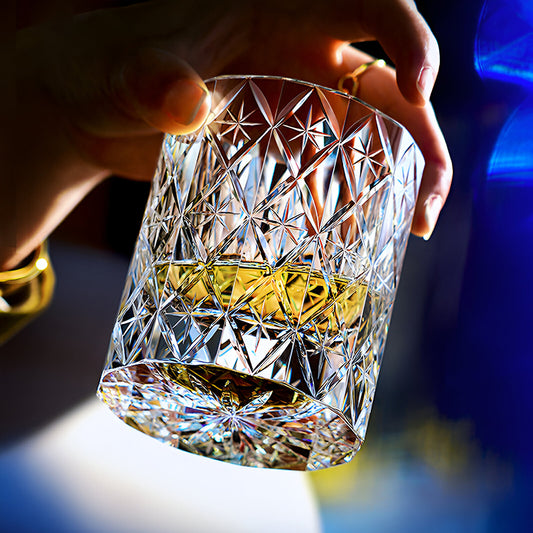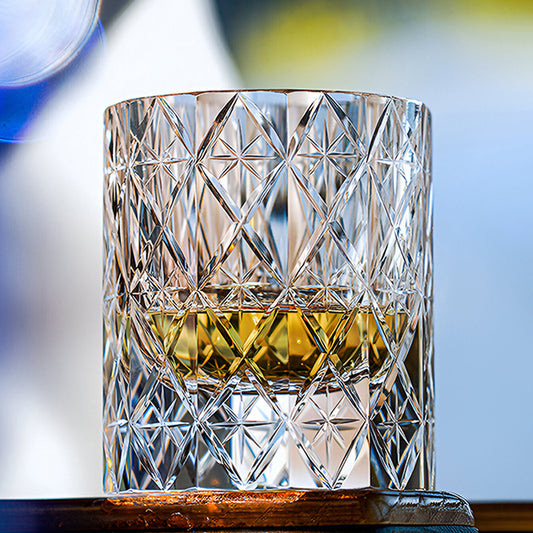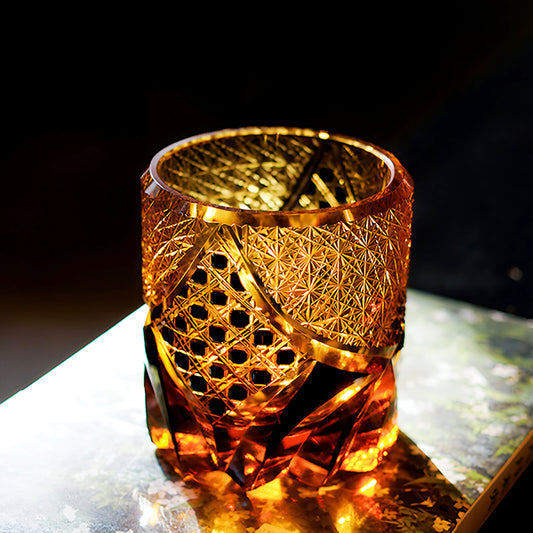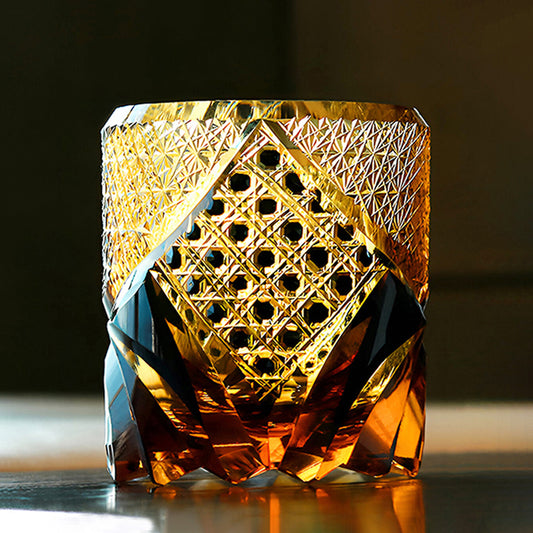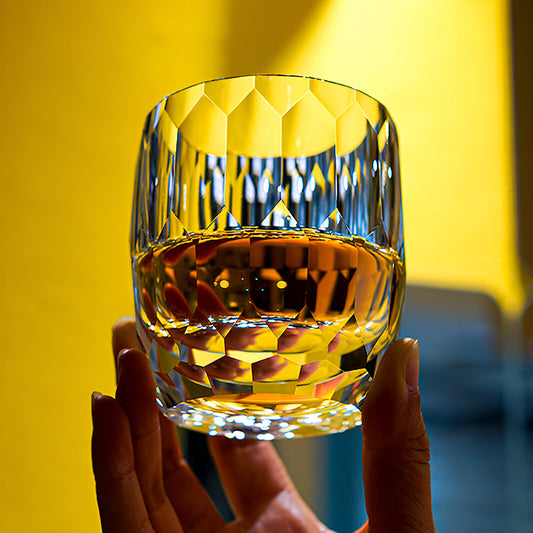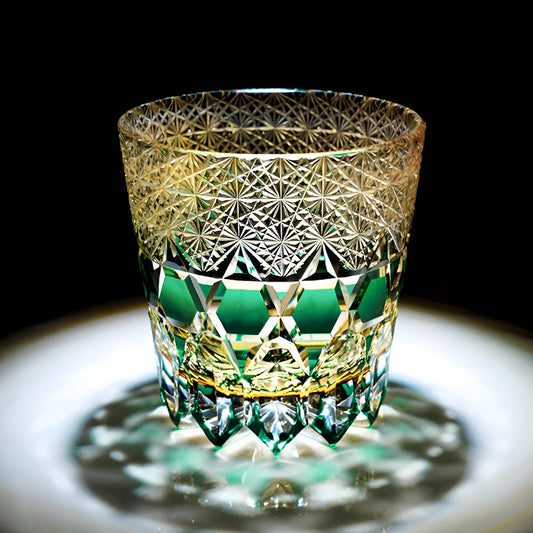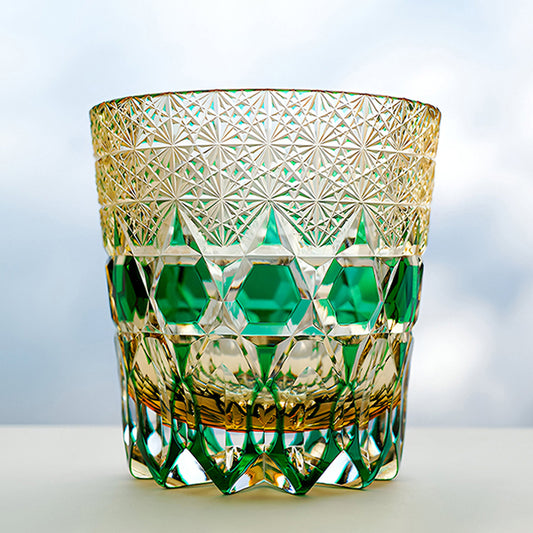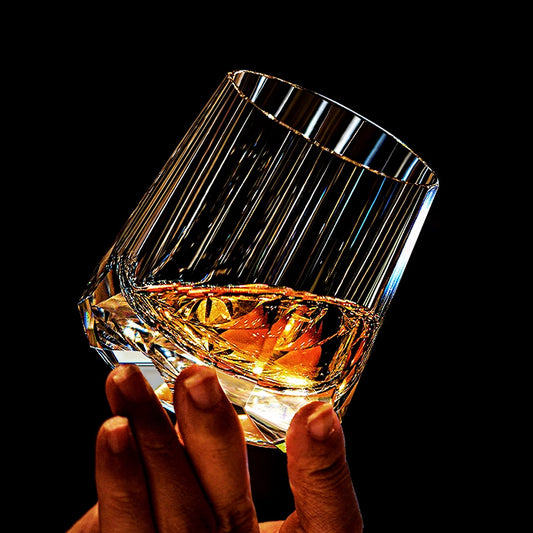


When a glass begins its journey at Kingwares, it starts not as a vessel — but as a vision. Before a single cut meets crystal, master artisans spend hours in quiet deliberation, sketching patterns that have been passed down through generations of Japanese craftsmanship. Each line on the blueprint carries centuries of tradition, refined into something that will catch light in ways mass-produced glassware simply cannot replicate.
This is the story of how a Kingwares Edo Kiriko crystal whiskey glass comes to life — from that first meticulous sketch to the final gleaming masterpiece resting in your hand.
The Rising Tide of Japanese Whiskey Culture
The world is in the middle of a quiet revolution in how it drinks. Japanese whiskey — once a niche interest among connoisseurs — has exploded into mainstream consciousness. From Asheville to Amsterdam, bartenders and collectors alike are seeking out spirits that reward patience, discernment, and intention.
As Garden & Gun reported in April 2026, the Japanese highball has become "the drink of the moment" for those who want something complex without being heavy, refined without being pretentious. Meanwhile, the broader global conversation around traditional Japanese crafts has never been louder. CNA Luxury spotlighted artisans working tirelessly to preserve heritage techniques — an urgent mission as elder craftsmen age and younger generations drift toward faster, mechanized industries.
Edo Kiriko — Japan's traditional cut glass craft designated a National Traditional Craft — sits precisely at this intersection. It is at once a vehicle for enjoying whiskey at its finest and a living link to 200 years of Japanese artistic tradition. Kingwares occupies a unique position: honoring that tradition while making it relevant to the modern connoisseur's home bar.
Step 1: The Design Blueprint — Where Every Masterpiece Begins
The process at Kingwares starts, as all great things do, with a drawing.
Artisans prepare meticulous blueprints that detail every facet of the pattern to be carved into the crystal. These aren't generic templates — each design is developed with deep attention to how the final cuts will interact with light, how the pattern will flow around the glass's natural curve, and how it will feel when cradled in the hand.
For the Star pattern, this means calculating precise angles at which light will fracture and scatter. For the Peacock — one of Kingwares' most beloved designs — artisans study the natural fan of a peacock's tail feathers, translating that organic elegance into geometric cuts that will shimmer against any backdrop.
This blueprint stage is where craft meets artistry. It determines not just the look of the glass, but its soul.
Step 2: Preparing the Glass — Quality Is Non-Negotiable
Only high-quality crystal glass is selected for Kingwares pieces. Before any cutting begins, each blank is inspected for structural integrity — a flawless surface is prerequisite, not an achievement. Any bubble, ripple, or imperfection would compromise both the cutting process and the final aesthetic.
The blueprint design is then carefully positioned against the glass surface, serving as a precise reference for every subsequent cut. This preparation stage is deliberately unhurried. Rushing it shows in the finished piece.
Step 3: The Cutting — Where Edo Kiriko Earns Its Name
Here is where the magic happens — and where Edo Kiriko truly earns its reputation.
Using specialized cutting tools, artisans trace the design lines from the blueprint directly onto the crystal surface. This is not CNC. This is not laser-guided. This is the trained hand and the trained eye of a craftsman who has spent years — often decades — mastering the subtle resistance of crystal, the right pressure for different depths of cut, the way glass responds differently depending on humidity and temperature.
The word kiriko literally means "cut glass" in Japanese. But the cutting in Edo Kiriko is unlike any ordinary glass etching or engraving. The cuts are structural — they remove material to create facets that catch and refract light the way a diamond does. Each facet becomes its own tiny mirror, bouncing light in unexpected directions.
A single Kingwares glass can contain dozens of individual cuts, each one requiring split-second decisions by the artisan. One slip — one moment of lost focus — and hours of work are undone. This is why Edo Kiriko has always been among the most labor-intensive and revered of Japan's traditional crafts.
Step 4: Grinding — From Sharp to Smooth
Once the initial cuts are made, the glass moves to the grinding stage. Here, rough grinding removes sharp edges left by the cutting tools, smoothing the surface to the touch while preserving the crispness of each facet's geometry.
This is followed by fine polishing — using precision grinders to smooth each cut section until it achieves the glossy, luminous finish that is the signature of genuine crystal. The grinding stage is what transforms raw cuts into gleaming surfaces that will refract light beautifully from every angle.
The difference between rushed grinding and patient, thorough grinding is visible in the finished piece. Kingwares artisans take the time to ensure every facet is individually polished. The result is glassware that glows — especially under candlelight or in the amber light of a well-stocked bar cabinet.
Step 5: Polishing — The Final Brilliance
After grinding comes the final polishing, which gives Kingwares crystal its characteristic luminous quality. This isn't just aesthetic — polished crystal feels different in the hand, cooler and more substantial, with a surface that seems to radiate light from within rather than merely reflecting it.
This stage draws out the full depth of the crystal, creating that distinctive visual quality that connoisseurs describe as "alive." A Kingwares glass at sunset, filled with a fine Japanese whiskey, becomes something more than a drinking vessel. It becomes a small, functional sculpture.
Step 6: Cleaning and Inspection — The Final Authority
Every Kingwares glass undergoes rigorous inspection before it is approved for shipment. Each piece is thoroughly cleaned and dried, then examined under bright light from multiple angles.
Artisans inspect every cut facet for consistency, every edge for sharpness, every surface for scratches or marks invisible to the casual eye. Any piece that does not meet exacting standards is returned to an earlier stage — or, if the flaw is too deep to correct, discarded entirely.
This uncompromising approach to quality is why Kingwares collectors consistently report that their glasses arrive not just intact, but perfect. As one recent buyer wrote: "It's unbelievably heavy and just absolute quality throughout. I ordered two more yesterday."
Why This Process Matters to Your Drinking Experience
You might wonder: does the method really affect what I taste?
For whiskey connoisseurs, the answer is a resounding yes. Crystal whiskey glasses — with their smoother, more non-porous surface — do not interfere with the flavor the way cheaper glass can. The wide bowl of a properly designed whiskey tumbler allows the spirit's aroma to develop, while the cut facets of an Edo Kiriko glass add a visual dimension to the ritual that elevates the entire experience.
As the world increasingly turns toward Japanese whiskey — and toward the rituals and objects that accompany its appreciation — the question of how one drinks becomes as important as what one drinks.
A Kingwares Edo Kiriko glass is not an accessory to your whiskey. It is an inseparable part of the experience. The care taken in its creation is transferred to the care you take in pouring, nosing, and savoring. More than a glass — it's a masterpiece.
Starting Your Collection: Which Pattern Speaks to You?
Kingwares offers an extraordinary range of patterns, each with its own character:
- Star — A timeless favorite among collectors, with radial cuts that catch light from every direction
- Peacock — Elegant fan motifs evoking the natural beauty of the peacock's display
- Horse — Bold, dynamic cuts suggesting motion and nobility
- Flame — Organic, flickering patterns that complement the amber warmth of whiskey
- Lightning — Sharp angular cuts that feel modern, powerful, precise
- Crane — Symbolizing longevity and elegance in Japanese culture
Each pattern is available as both a whiskey glass and a sake glass, allowing collectors to build a cohesive, curated barware collection rooted in authentic Edo Kiriko tradition.
Frequently Asked Questions
What makes Edo Kiriko different from regular cut glass? Edo Kiriko is a traditional Japanese craft with over 200 years of history. Unlike Western cut glass that often uses mechanical methods, Edo Kiriko is hand-cut by artisans using specialized tools. The cuts are structural facets — not surface decorations — creating genuine optical refraction. Edo Kiriko was designated a National Traditional Craft of Japan in 2017.
How should I clean my Kingwares crystal glasses? Hand wash with lukewarm water and a soft, non-abrasive cloth. Avoid dishwashers, which can chip or scratch the cut facets. Dry immediately with a lint-free cloth to prevent water spots. Store individually wrapped or in a padded cabinet.
Can I use Kingwares glasses for both whiskey and sake? Absolutely. Many collectors use their Edo Kiriko whiskey glasses for premium sake as well, appreciating how the cut patterns interact beautifully with the lighter color and different aroma profiles of sake.
Why are Kingwares glasses heavier than ordinary glasses? Kingwares uses high-quality crystal with greater density than standard glassware. This weight is a hallmark of genuine crystal — it feels more substantial in the hand and contributes to the overall perception of quality and craftsmanship.
How long does it take to make one Kingwares glass? The full 6-step process — from blueprint design to final inspection — takes several days per piece, accounting for drying times between stages and the meticulous attention each cut requires. This is not mass production; every piece is a handmade original.
Handcrafted with exquisite Edo Kiriko cuts. Timeless craftsmanship for the modern connoisseur.
Explore the full Kingwares collection at kingwares.com and discover the glass that is — truly — a masterpiece.