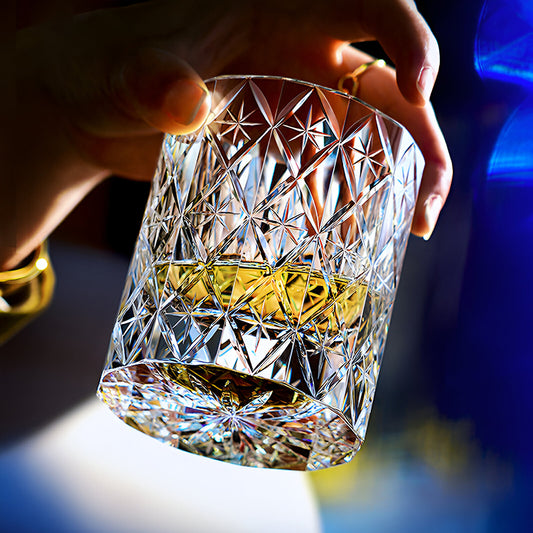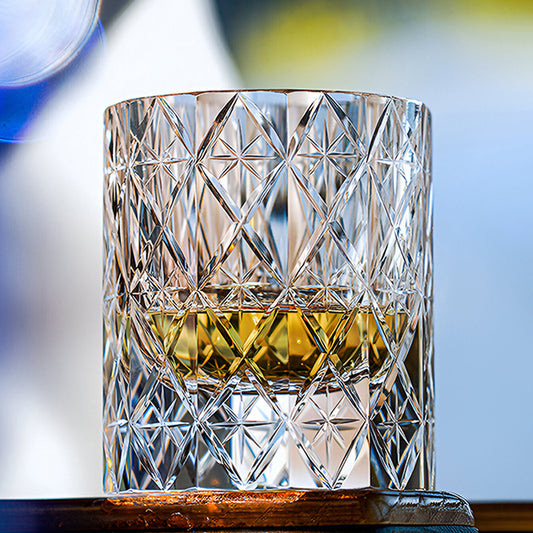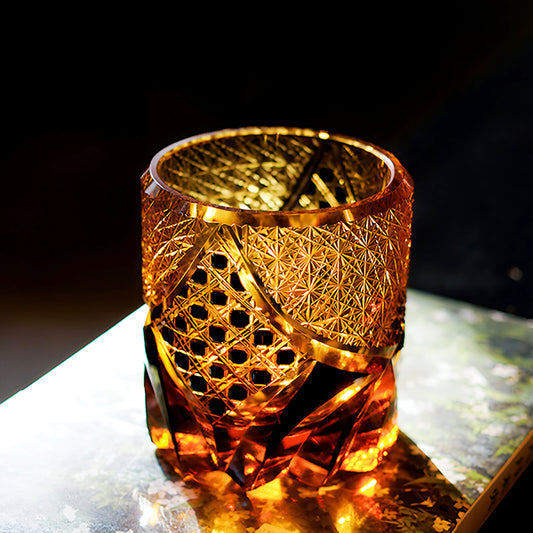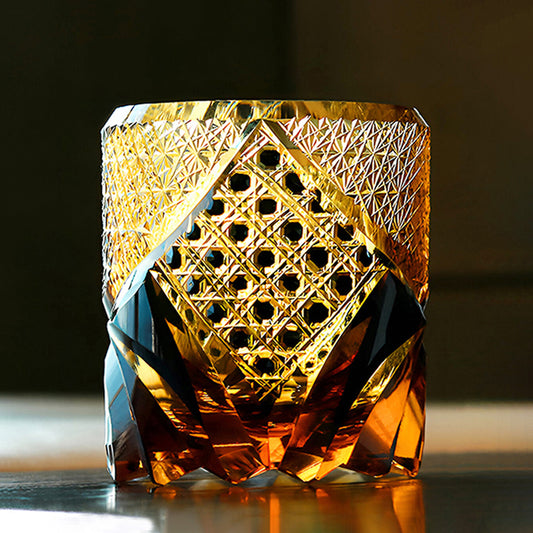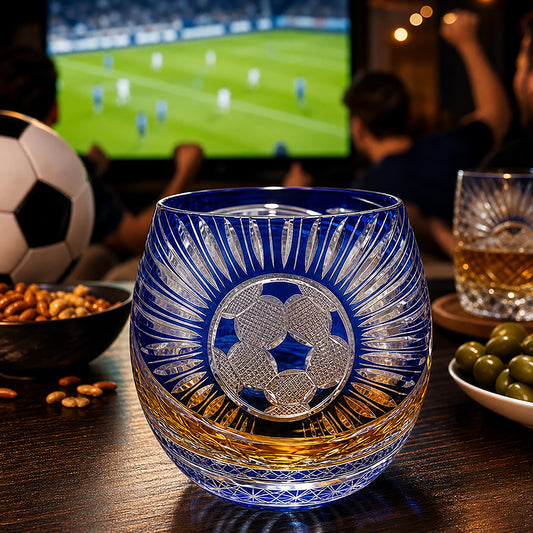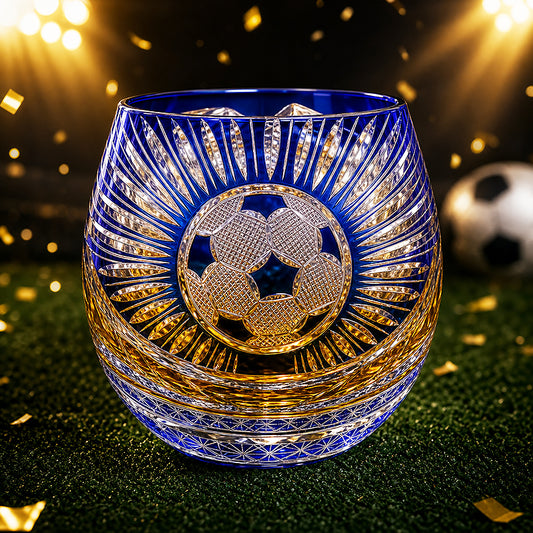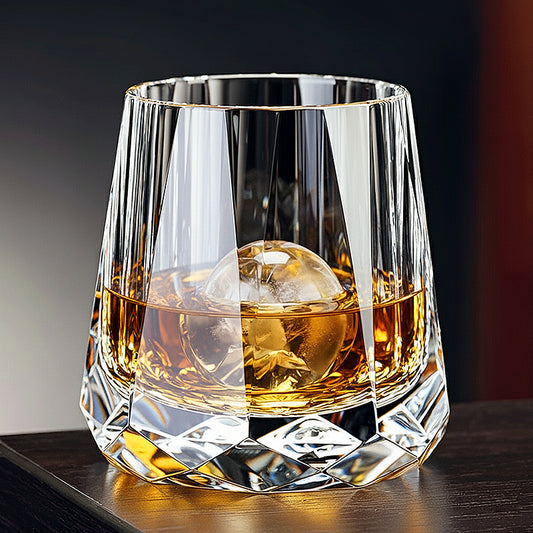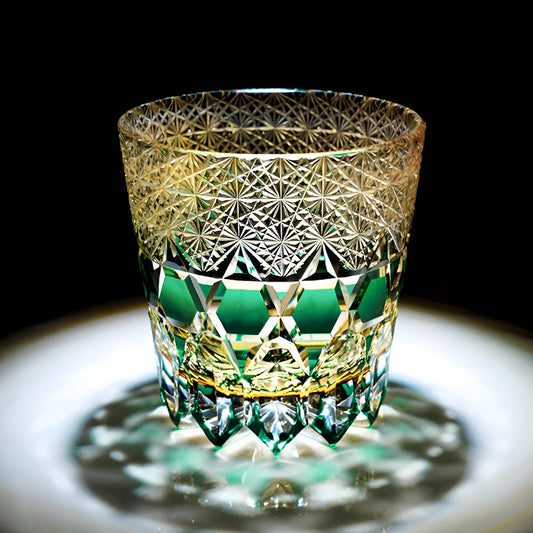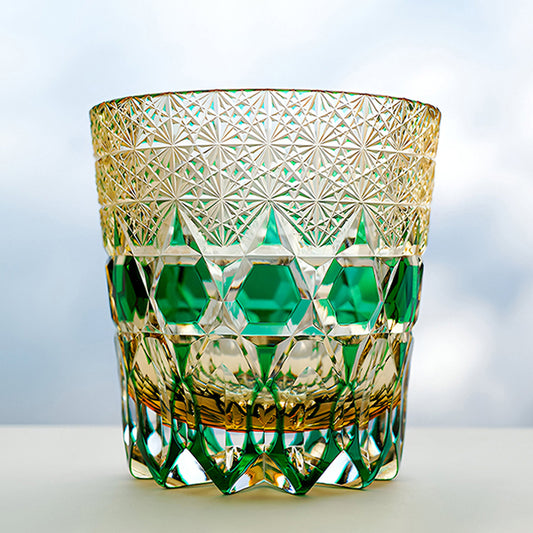


Edo Kiriko glasses cost hundreds or even thousands of dollars because each piece is hand-cut by a master artisan using techniques passed down for nearly 200 years. The staggering price reflects thousands of hours of training, extreme rarity, and the painstaking physical labor that turns a simple piece of crystal into a functional work of art. Before you get sticker shock, understand why this Japanese glass is considered wearable sculpture for your whiskey.
Key Takeaways
- Edo Kiriko is a traditional Japanese cut glass craft from Tokyo, dating to 1834.
- Each glass is cut entirely by hand, a process that often takes 4–10 hours per piece.
- Only a few dozen qualified artisans remain worldwide, making production extremely limited.
- The intricate cuts interact with light and liquid to elevate the drinking experience, much like a sommelier’s wine glass.
- Owning Edo Kiriko is an investment in functional art that can appreciate in value and become a family heirloom.
- You’re paying for generational skill, not just glass.
What Is Edo Kiriko? A Quick Primer on Japanese Cut Glass Culture
Edo Kiriko (江戸切子) translates to “Edo cut glass” and originated in Edo, now Tokyo, during the late Edo period. It’s a delicate craft where artisans engrave intricate patterns onto crystal glass using a rotating grinding wheel. Nothing is done by machine—every groove, every facet, is carved by hand, guided by eyes and fingertips alone.
Think of it like a hand-stitched Hermès bag versus a factory-made tote. The patterns—like yarai (bamboo fence) or nanako (fish roe)—are instantly recognizable and carry centuries of cultural meaning. Unlike western cut glass styles such as Waterford, Edo Kiriko emphasizes negative space and subtle gradients, creating a quiet, refined sparkle rather than aggressive brilliance.
Japan protects this craft as a traditional artisan industry. Only authorized workshops in Tokyo’s historic districts are permitted to sell authentic, stamped Edo Kiriko. That exclusivity is your first clue to the price.
Why Does Edo Kiriko Cost So Much? The 5 Factors Behind the Price Tag
1. Master-Level Craftsmanship and Decade-Long Training
An Edo Kiriko artisan typically spends 10–15 years as an apprentice before they can independently cut a high-grade piece. They learn to read the material, apply consistent pressure at just the right angle, and prevent the crystal from shattering under stress. This isn’t a hobby; it’s a lifelong discipline akin to a Swiss master watchmaker assembling a tourbillon movement by hand.
2. Time-Consuming Hand-Cutting Process
A single whiskey glass can demand 4 to 8 hours of uninterrupted focus. Complex patterns like a peacock motif can take over 10 hours. Every line must be perfect from the first pass because there’s no undo button—one slip and the entire piece is scrapped. The waste rate for intricate designs often exceeds 30%, further driving up the cost of what reaches your shelf.
3. Premium Crystal and Material Costs
Edo Kiriko uses high-lead or lead-free crystal glass from specialized Japanese glassmakers. The crystal must be perfectly clear, free of imperfections, and thick enough to withstand aggressive cutting without cracking. Inferior glass would shatter under the grinding wheel. This raw material alone costs several times more than ordinary soda-lime glass used in mass-market tumblers.
4. Rarity and Limited Production
There are fewer than 100 officially recognized Edo Kiriko cutters active today. Many are in their 60s and 70s, and the knowledge is vanishing. Each workshop produces only a few hundred pieces a year, not tens of thousands. When you buy an Edo Kiriko glass, you’re acquiring something closer to a limited-edition art print than a household commodity.
5. Cultural Heritage and Official Certification
Genuine pieces carry a government-authorized stamp and come from designated workshops. This cultural capital adds intangible value, similar to how a Kobe beef certification raises the price well beyond that of a regular steak. You aren’t just buying a glass; you’re owning a piece of Japan’s living heritage.
The Value to You: How an Edo Kiriko Glass Transforms Everyday Rituals
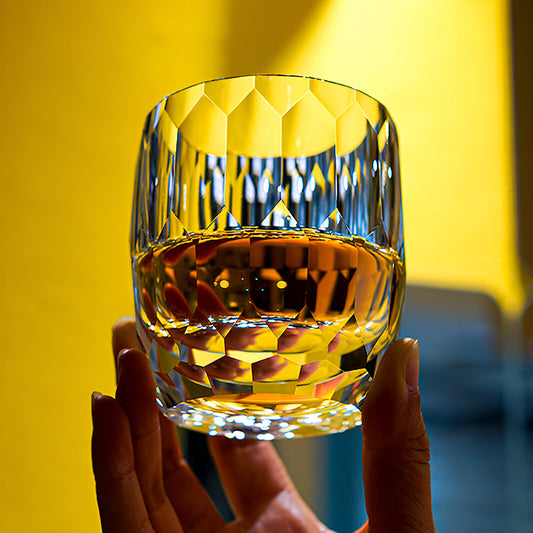
Imagine sitting down after a long week, pouring a rare single malt into an Edo Kiriko glass. The amber liquid cascading over the hand-cut grid pattern creates a miniature light show that no machine-made tumbler can replicate. The weight is substantial, the rim silky smooth. Suddenly, a 5-minute nightcap becomes a mediative experience.
This isn’t just a drinking vessel; it’s a sensory upgrade. In American terms, it’s the difference between listening to music on a generic Bluetooth speaker versus a hand-built tube amplifier. You taste, see, and feel the extra care before a single drop touches your lips. That emotional return on investment is what luxury buyers chase.
Key Benefits of Owning Edo Kiriko Glassware
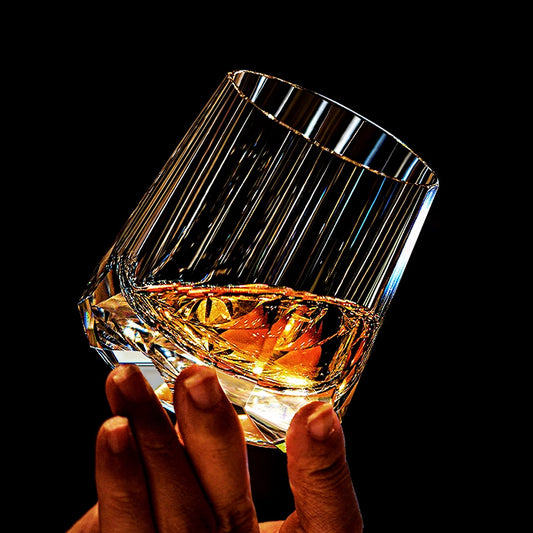
- Unmatched light refraction: The deep cuts create prisms and shadows that change as your glass moves, enhancing the visual drama of cocktails or spirits.
- Tactile pleasure: The textured exterior provides a non-slip grip and a satisfying tactile contrast to the smooth interior.
- Heirloom quality: Properly cared for, Edo Kiriko crystal can last generations. It passes from parent to child as a story, not a disposable cup.
- Conversation piece: Setting this on your dinner table immediately signals attention to detail, much like serving wine in fine Riedel stems.
- Collectible potential: Rare patterns and works by named masters often appreciate, especially after an artist retires.
Edo Kiriko Buying Guide: How to Spot Authentic, High-Value Pieces
When investing in Edo Kiriko, cut through the noise. Follow these pointers:
- Look for the official mark. Genuine Edo Kiriko will have an engraved stamp or sticker from an authorized guild (look for “江戸切子” characters). KingWares only sources pieces with verifiable authenticity.
- Check the texture. Hand-cut glass feels lively under your fingers—you’ll detect tiny irregularities and overlapping strokes. Machine-cut glass is dead uniform and lacks depth.
- Hold it up to light. A real Edo Kiriko glass bends light like a kaleidoscope, not a simple sparkle. Lousy imitations use superficial etching that looks cloudy.
- Ask about the artisan. Reputable sellers can tell you which workshop or cutter produced the piece. If the store can’t answer, walk away.
- Consider your use case. Whiskey glasses, sake cups, and rocks glasses are the most popular entry points. A tumbler with the timeless yarai pattern is the perfect start for a beginner.
Edo Kiriko vs. Machine-Cut Crystal vs. Ordinary Glass: A Quick Comparison
| Feature | Edo Kiriko (Hand-Cut) | Machine-Cut Crystal | Ordinary Glass |
|---|---|---|---|
| Crafting Method | Hand-cut on a grinding wheel by a master artisan | Laser or mechanical press, minimal human touch | Mold-blown, no cutting |
| Time to Produce (per glass) | 4–10+ hours | Minutes | Seconds |
| Rarity | Extremely limited; few dozen qualified artisans | Mass-produced, widely available | High volume, disposable |
| Light Refraction | Dimensional, animated, changes with angle | Static, symmetrical sparkle | None or minimal |
| Price Range (USD) | $150 – $1,500+ | $20 – $100 | $1 – $10 |
| Durability | High-quality crystal, robust with care | Prone to chipping if pattern is shallow | Easily scratched or shattered |
| Artisan Value | Each piece signed by a living artist | Anonymous, interchangeable | None |
Real-Life Scenarios: Where Edo Kiriko Truly Shines
Closing a business deal: Present a fine Edo Kiriko whiskey glass to a client after signing a contract. The gesture screams “I value this relationship” more than any generic corporate gift. It’s the equivalent of gifting a limited-edition Montblanc pen.
Anniversary dinner at home: Surprise your partner with a set of two Edo Kiriko glasses for a candlelit sake or bourbon toast. The intimate ritual of watching the spirit dance inside the cuts elevates an ordinary Tuesday into a luxury hotel moment.
Solo wind-down: After a demanding day, pour a single measure of your favorite rye into an Edo Kiriko tumbler. The weight in your hand and the calculated refraction pull you into mindfulness. It’s a private five-minute vacation.
Hosting a whiskey tasting: Use Edo Kiriko glasses for a flight of Japanese whiskies. Your guests will immediately recognize that this tasting is something special—because the glass itself becomes part of the flavor journey.
How to Care for Your Investment: Edo Kiriko Maintenance
Protect your piece for decades. Follow these simple rules:
- Hand wash only. Never put Edo Kiriko in the dishwasher—heat and harsh detergents will dull the cuts and can cause cracks.
- Use lukewarm water and a soft sponge. Avoid abrasive pads. A drop of mild dish soap is enough.
- Rinse thoroughly and dry immediately with a lint-free microfiber cloth to prevent water spots.
- Avoid extreme temperature changes. Pouring boiling water into a chilled glass can cause thermal shock. Let it come to room temperature first.
- Store separately. Do not stack Edo Kiriko glasses; their delicate rims and cut edges can chip against each other. A velvet-lined drawer or a display case is ideal.
Frequently Asked Questions
Why is Edo Kiriko so expensive compared to other crystal glass?
The cost is driven by hand labor, a shrinking pool of master artisans, and the high waste rate. A single glass can take an entire workday to complete. Unlike machine-cut crystal, no two Edo Kiriko pieces are exactly alike, much like an original painting versus a print.
How can I tell if my Edo Kiriko glass is authentic?
Authentic pieces come with a stamp from the Edo Kiriko Cooperative Association or the artisan’s workshop. The cuts feel textured and slightly irregular up close. If it looks perfectly symmetrical and feels cheaply light, it’s likely a knockoff. Purchase from trusted retailers like KingWares that provide provenance.
Can I use Edo Kiriko daily, or is it just for display?
You can absolutely use it daily. The crystal is durable, but treat it with the same respect you’d give a Leica camera or a luxury watch. Daily use with careful hand washing will only deepen your appreciation.
Does Edo Kiriko glass increase in value over time?
Yes, certain patterns and works by named masters appreciate, especially after the artist retires or passes away. Limited-edition collaborations also become collector’s items. However, buy it because you love the art—value appreciation is a bonus.
What makes Edo Kiriko different from other Japanese cut glass like Satsuma Kiriko?
Edo Kiriko comes from Tokyo and traditionally uses clear crystal with delicate, geometric patterns. Satsuma Kiriko originated in Kagoshima and often features colored overlays and bolder cuts. Both are handcrafted, but Edo Kiriko’s understated elegance is closer to a minimalist Zaha Hadid building, while Satsuma Kiriko feels more ornate.
How should I choose my first Edo Kiriko piece?
Start with a classic yarai pattern whiskey or rocks glass. It’s recognizable, versatile, and a perfect introduction to the craft’s signature light play. Once you experience that, you’ll naturally want a peacock or chrysanthemum pattern to expand your collection.
Who Should Buy Edo Kiriko?
Edo Kiriko isn’t for everyone—and that’s the point. You should consider it if:
- You’re a whiskey or spirits connoisseur who understands that the glass is as important as the drink.
- You appreciate handcrafted art and want functional objects that tell a cultural story.
- You seek a meaningful, heirloom-quality gift that outclasses any standard luxury item.
- You’re building a refined home bar that reflects your taste, not just your budget.
- You want to own something rare—something that will never be mass-produced and that can be passed down.
The Glass That Holds More Than Just Liquid
When you hold an Edo Kiriko glass, you’re holding generations of Tokyo craftsmanship. The price isn’t just about material—it’s about compensating a master for a fading art, about the 8 hours of delicate grinding that risked shatter with every rotation, and about the certainty that no cocktail party guest will ever pick up the same glass twice.
Before the sticker shock, invest a moment into understanding that value. A machine-made tumbler is disposable; an Edo Kiriko glass is a companion for life. Explore KingWares’ curated selection of authentic, hand-cut Edo Kiriko glasses, each with a verified story and a guarantee of quality. Limited stock means when a piece is gone, it may never return. Find the one that speaks to you—and raise your next toast to true craftsmanship.