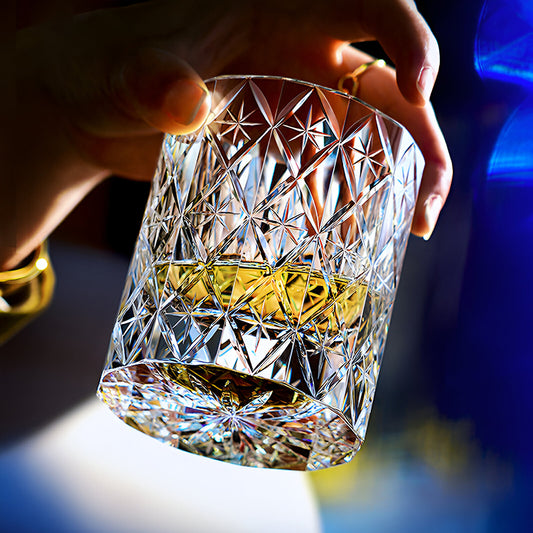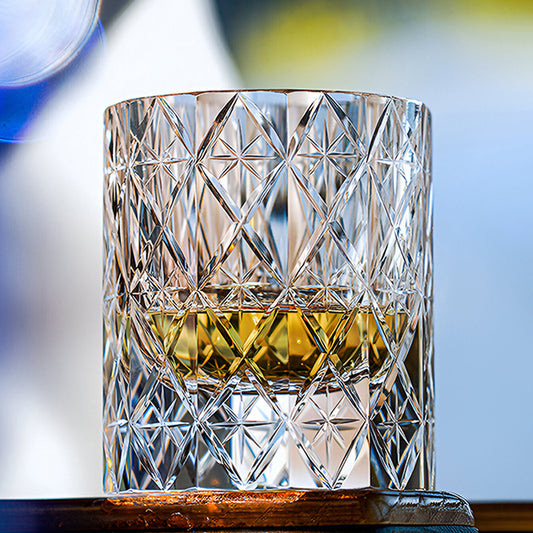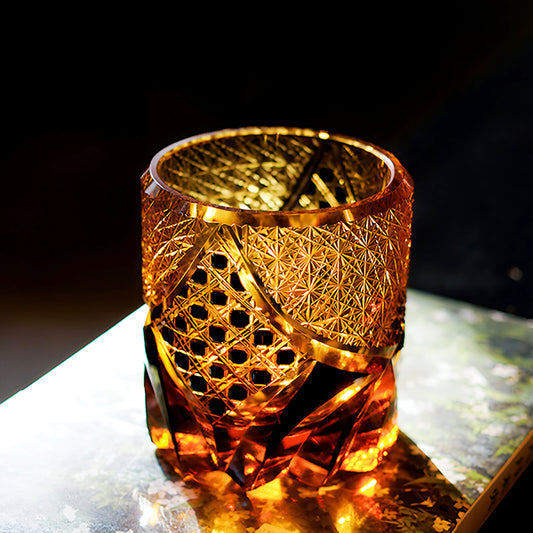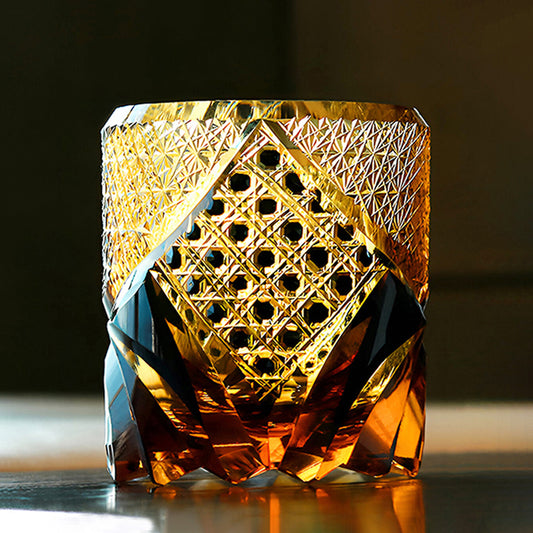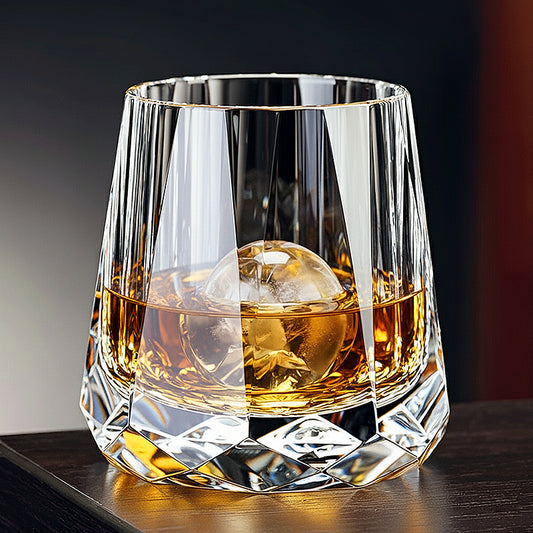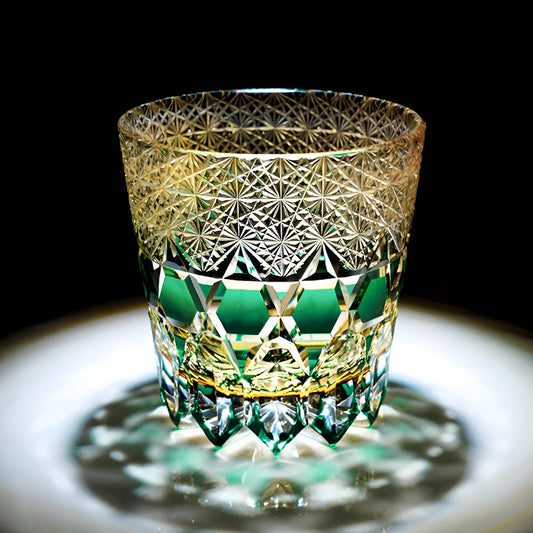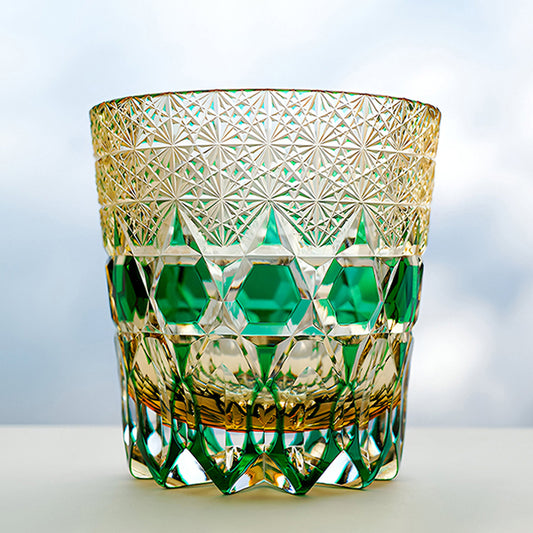

Key Takeaways
- Quick answer: If you want a glass that tells a story and elevates every sip with Japanese artistry, choose Edo Kiriko. If you prefer a timeless, widely recognized luxury name, Waterford remains a solid pick.
- Edo Kiriko glass isn't just a whiskey vessel — it's a piece of traditional Japanese craft that transforms your home bar into a cultural experience.
- The highball vs rocks glass for whiskey debate gets a fresh twist with Japanese proportions and cut patterns that affect both aroma and mouthfeel.
- When comparing Edo Kiriko vs Waterford, the difference often comes down to handcrafted glassware authenticity versus machine-assisted European brilliance.
- As a gift for men, a Japanese whiskey glass from the Edo Kiriko tradition carries a level of thoughtfulness that a standard crystal tumbler simply can't match.
I’ll never forget the first time I poured a 12-year Yamazaki into an Edo Kiriko glass. The amber liquid caught the intricate cuts like a jewel, and the weight in my hand felt purposeful — not too heavy, not too light. That moment reshaped how I think about whiskey glasses. You’ve probably landed here because you’re comparing Edo Kiriko glass with Waterford or other Western crystal, wondering which one deserves a spot in your home bar. I get it. As someone who has spent years curating Japanese barware for US collectors and beginners alike, I can tell you this decision is about more than just glass — it’s about ritual, craftsmanship, and the story behind every pour. In this guide, I’ll walk you through the comparisons that matter most, so you can choose the perfect Japanese crystal whiskey glass for your personal style or as an unforgettable gift for men.
What Is Edo Kiriko Glass — and How Does It Differ from Western Crystal?
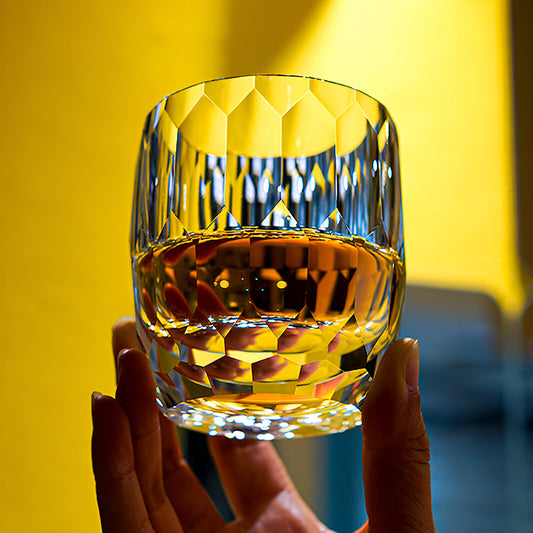
You may have heard the term “Edo Kiriko glass” tossed around in whiskey circles or seen it on upscale bar carts. But what exactly is it? Simply put, Edo Kiriko is a traditional Japanese craft of cut glass that originated in Tokyo (then called Edo) during the late Edo period in the 1830s. Artisans use a grinding wheel to carve delicate, precise patterns into the surface of the glass — much like a sculptor chiseling stone. The result is a glass that feels both modern and steeped in history.
This is where the Japanese glass vs Western glass conversation starts. Western crystal — think Waterford, Riedel, or Spiegelau — often relies on lead or barium oxide to achieve a bright, heavy clarity. The designs, though beautiful, are usually produced with machine assistance or molded from standardized patterns. Edo Kiriko, on the other hand, is almost always handcrafted glassware. Every groove is made by a trained artisan, many of whom inherit skills through generations in Tokyo’s Edogawa or Sumida wards. The cuts aren’t just decorative; they serve a sensory purpose, channeling light and influencing how aromas reach your nose as you sip.
When I think about the Japanese whiskey glass vs crystal distinction, I always come back to texture. Western crystal tends to be uniformly smooth or features simple prismatic cuts. Edo Kiriko glasses have a tactile, almost woven feel. Run your finger over a traditional nanako (fish roe) pattern or a sharp kiku (chrysanthemum) motif, and you’ll understand why collectors call them functional art.
Shop our Edo Kiriko collection and see the difference up close.
Highball vs Rocks Glass for Whiskey: Which Shape Works Best with Japanese Crystal?
One of the most practical questions I hear is: “Should I buy a highball or a rocks glass — and does it even matter with Japanese crystal?” With Edo Kiriko glassware, the answer is an emphatic yes. The shape of the glass dramatically changes your whiskey experience, and Japanese artisans cut each profile with a specific purpose in mind.
Let’s break it down:
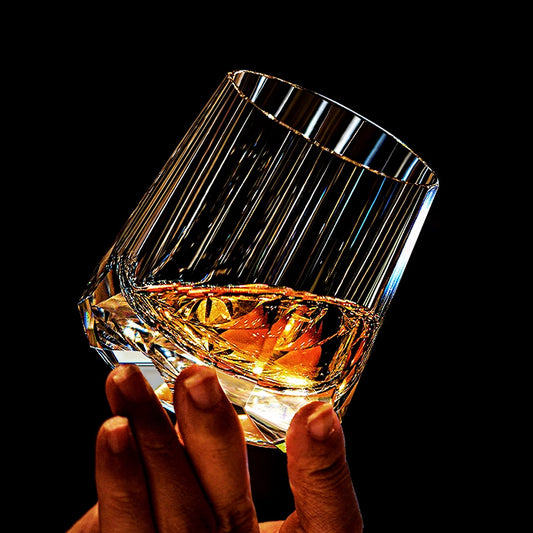
- Rocks glass (old-fashioned glass): Short, wide, and heavy-bottomed. Ideal for spirits served neat or with a single large ice cube. The broad opening in a handcrafted Japanese whiskey glass lets the whiskey breathe, while the thick base keeps your drink cold without over-diluting. Edo Kiriko craftsmen often apply intricate cuts to the lower half, creating a gorgeous play of light as you swirl.
- Highball glass: Tall, slim, and designed for mixed drinks like a classic Japanese whiskey highball (whiskey + soda + ice). The narrow profile preserves carbonation longer and the vertical cuts in Edo Kiriko highball glasses accentuate the bubbles, making the drink visually captivating. For US drinkers accustomed to short tumblers, this can be a delightful surprise.
So, when you weigh highball vs rocks glass for whiskey, context matters. If you’re a purist who sips single malt neat, the rocks glass format in an Edo Kiriko execution brings out the subtlety. If you love a refreshing highball after mowing the lawn or at a BBQ, the Japanese highball glass adds a touch of Tokyo bar culture to your porch. Many of my customers start with one and quickly add the other — the handcrafted feel is that addictive.
Edo Kiriko vs Waterford: Which Handcrafted Glassware Offers Greater Value?
Now for the head-to-head many of you have been waiting for: Edo Kiriko vs Waterford. At first glance, both sit at the premium end of the market. Both carry name recognition. But their value propositions differ greatly.
Here’s a quick comparison table I put together based on years of handling both:
| Feature | Edo Kiriko Glass | Waterford Crystal |
|---|---|---|
| Origins | Tokyo, Japan (Edo period) | Waterford, Ireland (18th century) |
| Craftsmanship | Hand-cut by individual artisans; patterns often one-of-a-kind | Mix of hand-finishing and machine-cut; highly repeatable patterns |
| Material | Soda-lime or lead-free crystal, emphasizing clarity and durability | Full-lead crystal (24%+ PbO), known for brilliant sparkle |
| Aesthetic | Intricate, culturally symbolic motifs (chrysanthemum, bamboo, lattice) | Classic European cuts; Lismore, Colleen, etc. |
| Whiskey Experience | Engages touch and sight; subtly alters aroma perception | Visually bright; heavier weight feels luxurious but can fatigue the hand |
| Gift Appeal | Deeply personal; a unique whiskey glass for men who appreciate culture | Universally recognized luxury; safe but less distinctive |
| Price Range (per glass) | $80 – $300+ depending on artisan and complexity | $50 – $150 for standard lines; higher for limited editions |
When I host tasting evenings, I often place an Edo Kiriko tumbler next to a Waterford Lismore. Guests invariably pick up the Japanese piece first. It’s lighter in weight, yet the cuts feel more substantial — less like a showpiece and more like a tool perfected over centuries. If your goal is to impress with heritage and handcrafted glassware storytelling, the Japanese option wins. If you want a recognizable brand that will match existing décor without question, Waterford might be your answer. But honestly, once you experience the ritual of drinking from an Edo Kiriko glass, there’s no going back. I’ve seen it convert even the most die-hard European crystal collectors.
For a deeper dive into the styles, discover Japanese whiskey glasses that balance form and function.
Why a Japanese Whiskey Glass Makes the Ultimate Gift for Men
I’m often asked, “Sophie, my husband/brother/dad already has a nice decanter set. What makes a Japanese whiskey glass a better gift?” The answer lies in the gap between “nice” and “meaningful.”
Most men who enjoy whiskey have either gotten a standard crystal set as a wedding gift or picked up generic heavy-bottomed tumblers at a department store. An Edo Kiriko glass stands apart because it’s a luxury whiskey glass rooted in traditional Japanese craft. It tells him you didn’t just browse the spirits aisle; you sought out something that reflects his taste and curiosity about the world. The unique whiskey glasses for men that come out of Tokyo’s glass-cutting studios carry subtle masculine elegance — nothing flashy, just meticulously executed geometry that feels solid in a guy’s hand.
Consider the gifting scenario: Instead of unwrapping yet another branded tumbler, he opens a box to find a glass etched with the yaegiku (double chrysanthemum) pattern, complete with a small card explaining its Edo period roots. That moment of discovery? Priceless. And because Edo Kiriko glasses aren’t mass-produced, he’ll own something few of his whiskey buddies have ever seen. That exclusivity, combined with everyday usability, hits the sweet spot between commercial appeal and personal sentiment.
I’ve helped hundreds of customers pick the right Japanese crystal piece for birthdays, retirements, and groomsmen gifts. The feedback is always the same: “He actually uses it every evening.” That’s the sign of a well-chosen gift for men — functional, beautiful, and unmistakably intentional.
Who Should Buy an Edo Kiriko Glass?
This comparison might have you leaning one way, but let’s make it crystal clear. You should choose an Edo Kiriko glass if:
- You’re building a home bar that prioritizes character over brand labels.
- You love the idea of owning a piece of Japanese history — something from the Edo period tradition that’s still alive in Tokyo workshops today.
- You want handcrafted glassware that gets better with age, developing a subtle patina through use.
- You’re searching for a unique whiskey glass for men that will start a conversation every time it’s filled.
- You appreciate tactile experiences and notice the difference in how a glass feels during a quiet evening sip.
On the other hand, Waterford or generic Western crystal might be better if:
- You need a complete matching set of 12 identical glasses for large parties.
- Your priority is maximum sparkle under chandelier lighting rather than nuanced cultural craftsmanship.
- You’re on a tight budget — though I’d argue a single Edo Kiriko glass brings more daily joy than a set of six ordinary tumblers.
At the end of the day, the edo kiriko vs waterford debate isn’t about which is objectively better — it’s about which story you want to tell when you raise your glass. For me, the Japanese route is richer in texture, tradition, and quiet luxury.
FAQ: Edo Kiriko Glass and Japanese Whiskey Glasses
1. What makes Edo Kiriko glass different from regular cut crystal?
Edo Kiriko glass is entirely handcrafted glassware using techniques born in the Edo period in Japan. Unlike machine-cut crystal, each piece bears the subtle irregularities and signature of an artisan. The cuts are often inspired by nature and traditional patterns, making every glass a functional piece of Japanese barware art.
2. Can I use Edo Kiriko glasses for everyday whiskey drinking?
Absolutely. I use mine nearly every night. While they are delicate in appearance, the lead-free crystal is surprisingly durable. Just avoid extreme temperature shocks (don’t go from freezer to boiling water) and hand-wash them — no dishwasher. They’re designed to be lived with, not locked away.
3. How does a Japanese whiskey glass affect the taste of my whiskey?
In my experience, the mouthfeel changes. The thin, precisely cut rim of an Edo Kiriko glass delivers the spirit smoothly to your palate, while the textured exterior influences how you hold the glass and, in turn, how the aromas open up. It’s not a night-and-day flavor change, but it elevates the sensory ritual, much like drinking tea from a handmade ceramic cup instead of a ceramic mug.
4. Is Edo Kiriko worth the higher price compared to Western crystal?
I’m biased, but yes — especially for a luxury whiskey glass that doubles as art. The cost reflects the hours of skilled labor and the heritage behind each piece. If you’re buying a gift for men who already appreciate fine spirits, the value is unbeatable. You’re giving a story, not just a vessel.
5. What is the best way to clean and care for Japanese crystal?
Hand-wash only with mild soap and lukewarm water. Use a soft cloth to dry immediately to prevent water spots. Never use abrasive sponges — those intricate cuts can trap lint. If hard water stains appear, a tiny bit of vinegar on a cloth will restore the brilliance. I also recommend storing them upright in a dust-free cabinet or glass display box to protect the cut edges.
6. Where can I buy authentic Edo Kiriko glass in the US?
You don’t have to fly to Tokyo. Reputable online retailers (like ours!) specialize in Japanese barware and work directly with artisan workshops. Look for clear provenance — genuine Edo Kiriko pieces will often have a certificate or markings that trace back to Tokyo’s glass-cutting guilds. Shop our Edo Kiriko collection to browse authenticated designs.
Choosing between Edo Kiriko glass and other crystal ultimately comes down to what matters most in your home bar: legacy or luxury. If the thought of holding a piece of Tokyo’s Edo period artistry while you sip excites you, then I invite you to explore our curated selection of Japanese whiskey glasses. These aren’t just bar tools — they’re the start of a richer drinking ritual. From my bar to yours, cheers.
Explore Our Collection
Ready to experience the world of Edo Kiriko glass? Browse our curated collection:
Disclaimer: This article is for informational purposes. Products and pricing subject to change.