
How to Identify Authentic Edo Kiriko Glass: A Collector’s Guide to Spotting Fakes
I’m Aiden Kuroda, and if you’ve ever poured a dram of Japanese whiskey into a cut-glass tumbler, you know the weight of that moment. There’s a quiet click of ice, the amber swirl, and the way the light fractures through a hundred tiny facets. That’s the magic of Edo Kiriko glass—a traditional Japanese craft that transforms a simple bourbon glass into a work of art. But here’s the problem: the market is flooded with imitations. I’ve seen too many collectors buy what they think is a $200 piece, only to later discover it’s a $20 machine-pressed copy. So today, I’m going to teach you edo kiriko glass authenticity from the ground up—how to separate a real Tokyo masterpiece from a clever fake. By the end, you’ll confidently identify genuine Japanese cut glass and know exactly where to find a true japanese whiskey glass set that honors centuries of tradition.
What Is Edo Kiriko Glass and Why Does Authenticity Matter?
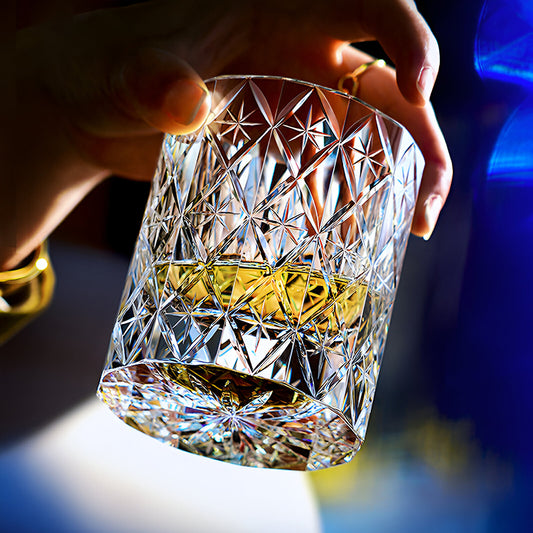
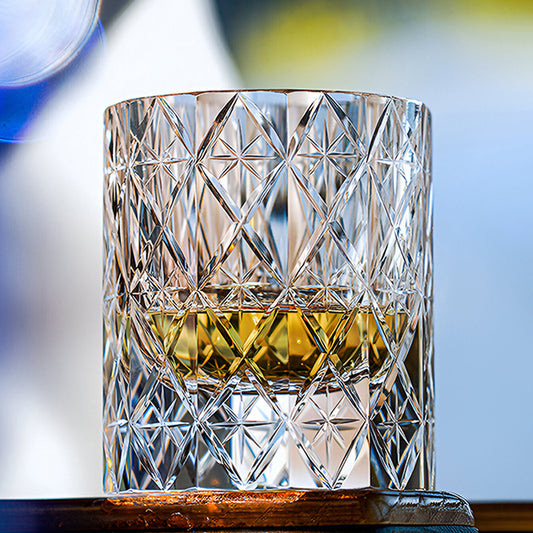
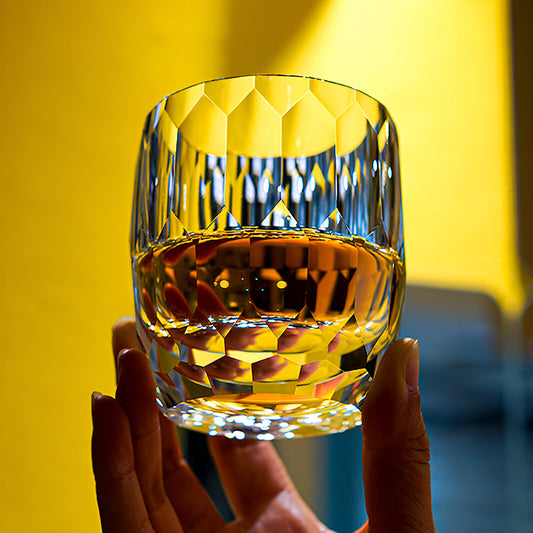
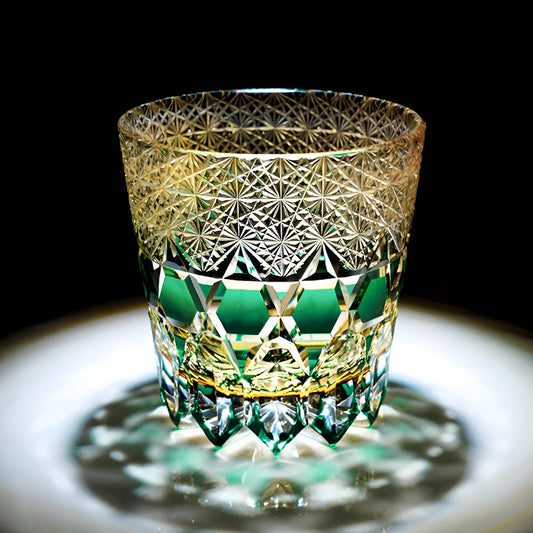
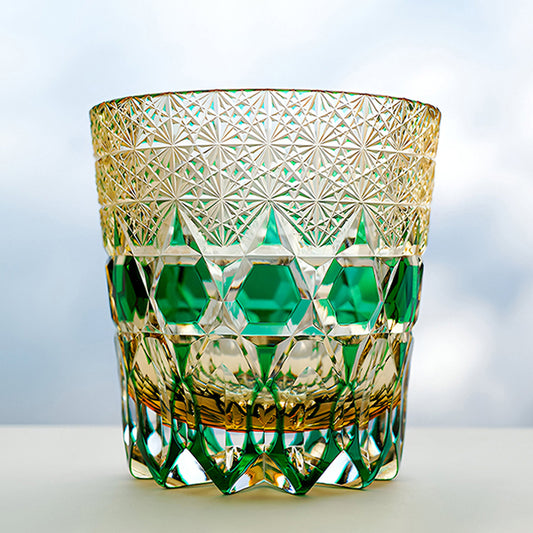
First, let’s anchor ourselves in the craft. Edo Kiriko is a type of cut glass that originated in Tokyo (then Edo) during the late Edo period, around 1834. It’s a designated Traditional Craft of Japan, and every authentic piece is hand-cut using a rotating wheel. The patterns—often geometric grids, chrysanthemums, or hemp leaves—are carved into lead crystal or high-quality soda glass, then polished to a brilliant sheen. When I hold a real Edo Kiriko whiskey glass, I can feel the micro-texture of the cuts; they’re never perfectly uniform in the way a machine would produce.
Why does edo kiriko glass authenticity matter so much? Well, aside from the artistry, a legit piece carries the soul of a living cultural heritage. For the buyer of a japanese whiskey glass set, it’s the difference between elevating your evening ritual with a functional sculpture and settling for a piece of decor that misses the entire point. And yes, there’s a price difference: a genuine Edo Kiriko glass can range from $80 to $500+, while fakes often sell for $20–$50. If you’re buying a Japanese whiskey glass as a gift for a discerning man, the truth in the glass matters.
How Can You Spot Fake Edo Kiriko Glass?
When I teach how to spot fake Edo Kiriko, I focus on three things: the cut, the base, and the sound. Here’s my checklist that has saved me from buying a shelf of disappointments:
- Look at the cut intersections. In hand-cut glass, the angles where lines meet are crisp but vary slightly. Machine-pressed glass has perfectly rounded valleys and indistinct edges because a mold compresses the glass into shape. Run your fingernail along a groove: if it glides smoothly without a subtle “bite,” you’re likely holding a fake.
- Check the foot and rim. Authentic Edo Kiriko pieces are finished by grinding the rim and base flat, then fire-polishing them. That leaves a distinct, slightly uneven texture around the bottom edge—not a sharp mold seam. If you spot a thin, raised line running vertically down the side or a little dimple from a press mold, it’s a dead giveaway of imitation japanese glassware.
- Tap the glass with a fingernail or a spoon. Real lead crystal (common in top-tier Edo Kiriko) rings with a long, clear chime, like a bell. Soda-lime glass, used in most fakes, produces a short, dull “clink.” I’ve trained my ear to catch this instantly, and you will too after handling a few genuine pieces.
- Examine the pattern under a magnifying glass. A real Japanese cut glass pattern—especially intricate ones like nanako (fish roe) or kiku (chrysanthemum)—will show tiny, irregular tool marks. Under magnification, fakes reveal uniform flecks or a sandblasted texture that mimics cutting, but lacks the layered depth of a traditional japanese craft.
I put together a quick table to make this real vs fake japanese glassware comparison crystal clear.
| Feature | Genuine Edo Kiriko Glass | Fake / Imitation |
|---|---|---|
| Cut precision | Hand-cut, slight variations, sharp edges | Mold-pressed, uniform soft valleys |
| Material | Lead crystal (24% PbO) or high-clarity soda glass | Low-grade soda-lime glass, often with bubbles |
| Sound | Long, clear ring | Short, dull thud |
| Base finish | Ground flat, satin-matte, no seam | Mold mark, often glossy and dimpled |
| Weight | Heavier, substantial feel | Lighter, thinner walls |
| Price point (typical rock glass) | $80–$200+ | $15–$40 |
What Are the Common Materials Used in Real vs Fake Japanese Glassware?
Material is half the story in japanese glass identification. True Edo Kiriko was historically made with clear glass imported from the West, but today’s artisans primarily use two types: lead crystal and a refined soda glass called K-glass. Both are chosen for their transparency and workability. Lead crystal, with its high refractive index, makes the cuts sparkle like diamonds under a bourbon pour. It’s heavier and often used for premium japanese whiskey tumblers. K-glass is lead-free but equally brilliant and is gaining popularity in modern Edo Kiriko workshops.
Fakes, on the other hand, are almost always standard soda-lime glass—the same stuff used for windows and cheap vases. It’s less dense, so it feels flimsy. More tellingly, it often carries a greenish tint when you look at it edge-on, unlike the water-clear purity of authentic crystal. If you’re shopping for a japanese whiskey glass set and the glasses show a faint green hue or contain tiny air bubbles (not deliberate artistic inclusions), you’re looking at mass-produced, non-traditional glassware. I always advise holding the glass up to a white sheet of paper; real Edo Kiriko will appear colorless and bright.
Real vs Fake Japanese Glassware: What Are the Key Differences in Craftsmanship?
Beyond materials, the glass cutting technique itself separates the real from the knock-off. I’ve visited workshops in downtown Tokyo where a single master will spend a full day cutting one Edo Kiriko glass. They use horizontal iron grinding wheels spinning at high speed, and the artisan holds the glass against the wheel by hand—no templates, just decades of muscle memory. This creates a depth of cut that varies from 0.5mm to 2mm, so when the light hits, the pattern seems to float inside the glass. Machine-made imitations employ acid etching or laser engraving that merely scratches the surface, lacking the 3D sculptural quality.
Moreover, the polishing step is crucial. Authentic Edo Kiriko is often polished with a slurry of cerium oxide and water, applied by hand, to bring out a mirror-like shine in the cuts. Fakes skip this, leaving a frosted look that grows dull with repeated washing. If you run your finger over a cut on a genuine piece, you’ll feel a soft, almost slick smoothness in the polished grooves—never sharp or abrasive.
How Does Edo Kiriko Glass Authenticity Affect Your Japanese Whiskey Experience?
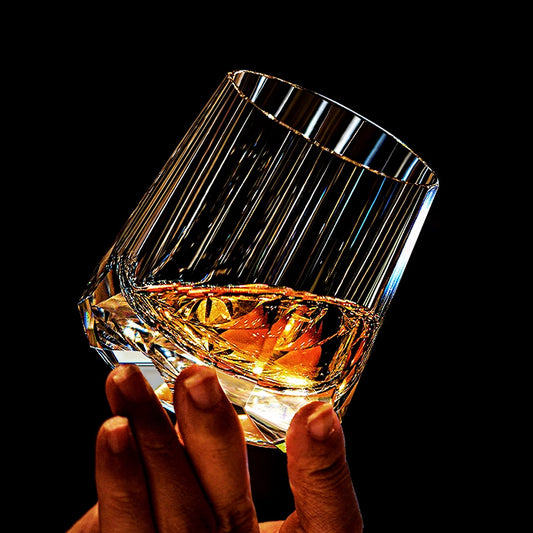
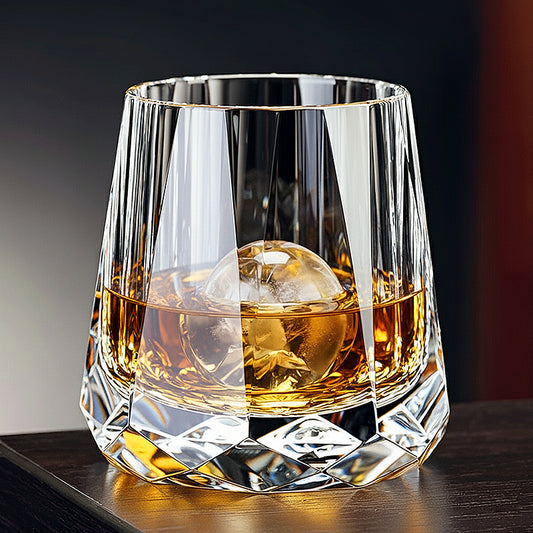
Now, I’m a bourbon and Japanese whiskey enthusiast, so this part gets personal. A Japanese whiskey glass isn’t just a vessel; it’s an organoleptic instrument. The shape of a real Edo Kiriko tumbler—usually wide and slightly tapered—delivers aromas gently while the heavy crystal maintains temperature. The hand-cut facets create tiny air channels when you hold the glass, so your palm warms the whiskey just enough to open its bouquet. A fake, made of thin glass, transfers heat too fast and drowns the nose in alcohol. Trust me, a Yamazaki 12 tastes different in a genuine bourbon glass crafted in the Edo Kiriko style. That’s why I insist on authenticity: you’re not just buying a pretty object; you’re buying a better sip.
For the man who has everything, gifting an edo kiriko glass set is like handing over a piece of Tokyo’s soul. It’s the ultimate japanese barware upgrade. And if he’s into collecting, he’ll appreciate that each piece is unique—no two hand-cut glasses are ever identical. That’s something a machine-made “luxury” set can’t offer.
How to Build a Trusted Japanese Barware Collection with Edo Kiriko Glass Sets
Ready to invest? I’ve curated my own collection over years, and here’s my advice: start with a reputable source. Look for certificates or stamps from recognized kilns and workshops like Kagami Crystal, Kimura Glass, or Hirota Glass. Many genuine Tokyo studios now include a small etched signature or paper tag that verifies the artisan. If you’re shopping online, the product description should specifically state “hand-cut Edo Kiriko” and mention the material—if it’s vague, be skeptical.
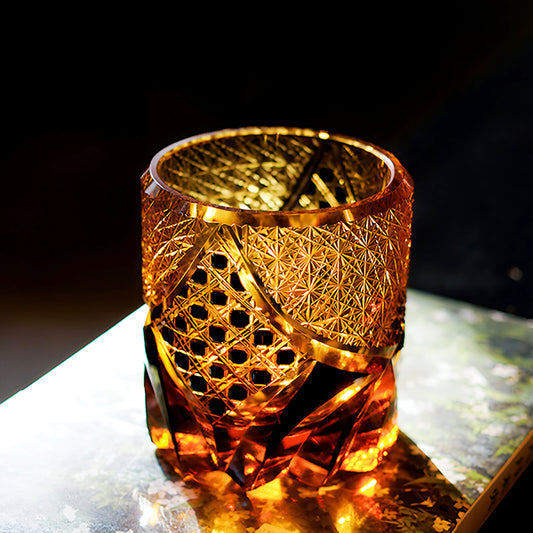
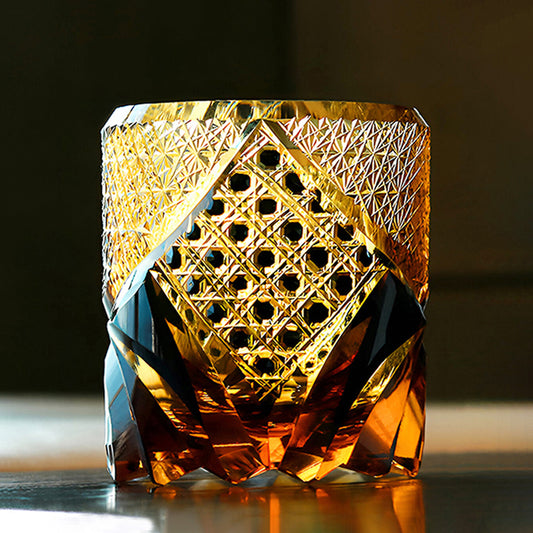
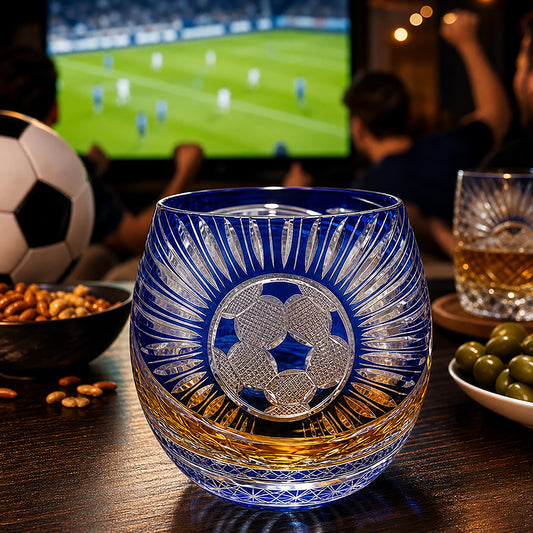
For a solid japanese whiskey glass set, I recommend a pair of double-walled or heavy-bottomed rock glasses. The classic kiku pattern is timeless and pairs beautifully with both straight whiskey and an old fashioned. And if you’re looking for a statement piece, Discover Japanese whiskey glasses that incorporate colored crystal overlaid glass (iro-kise) for an extra layer of artistry. When you’re ready to level up further, Explore luxury whiskey glasses that feature multiple cutting techniques on a single glass—a true testament to this traditional japanese craft.
Who Should Buy an Authentic Edo Kiriko Glass?
- The whiskey connoisseur: You appreciate the nuance that a proper glass brings to a 15-year-old single malt or a rare bourbon.
- The art collector: You value handmade, functional art that tells a cultural story spanning centuries.
- The thoughtful gift-giver: You’re searching for a memorable present for a husband, father, or business partner that signals refinement and an eye for the extraordinary.
- The home bar enthusiast: You want your bar cart to be a conversation starter, not just a collection of generic glassware.
Conclusion
Spotting a fake Edo Kiriko glass isn’t about being elitist—it’s about honoring the craftspeople who have preserved this art since the Edo period. I’ve given you the tools: check the cut, feel the weight, listen to the ring, and inspect the material. Use these japanese glass identification techniques, and you’ll never mistake a pressed copy for a true Tokyo treasure. When you’re ready to experience the difference firsthand, invest in a genuine japanese whiskey glass or an edo kiriko glass set that will elevate every pour. Cheers to that.
Frequently Asked Questions
How can I tell if my Edo Kiriko glass is real?
Examine the base for a flat-ground finish without mold seams, check that the cuts feel sharp yet polished, and tap it to hear a long, bell-like ring. Also look for slight variations in the pattern—a sign of handwork—and prefer glasses that come with artisan certification or a trusted shop’s guarantee.
What makes Edo Kiriko glass different from other cut glass?
Edo Kiriko is distinguished by its Tokyo origin, specific traditional patterns, and the hand-cutting technique using a rotating iron wheel. The depth and precision of the cuts, along with the use of lead crystal or high-clarity K-glass, set it apart from generic machine-made cut glassware.
Why are authentic Edo Kiriko glasses so expensive?
The cost reflects the labor-intensive process: a skilled artisan may produce only a handful of glasses per day. Each piece demands years of training, high-quality materials, and meticulous hand-finishing. It’s a luxury rooted in craft, not mass production.
Can I use my Edo Kiriko glass for bourbon or other spirits?
Absolutely. While originally designed for sake, modern Edo Kiriko tumblers are perfect for bourbon, Japanese whiskey, scotch, or even sipping tequila. The weight and shape enhance the drinking experience regardless of the spirit.
Does real Edo Kiriko glass contain lead?
Some traditional pieces use lead crystal (up to 24% lead oxide) for maximum brilliance and weight. However, many contemporary studios also offer lead-free K-glass options. Always check the product description or ask the seller if you have concerns.
Explore Our Collection
Ready to experience the world of Edo Kiriko glass? Browse our curated collection:
Disclaimer: This article is for informational purposes. Products and pricing subject to change.