
Edo Kiriko Glass: How to Choose a Japanese Whiskey Glass for Your Home Bar or Gift
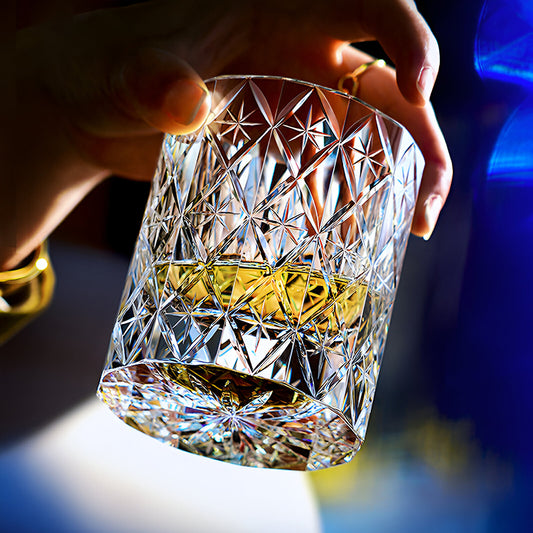
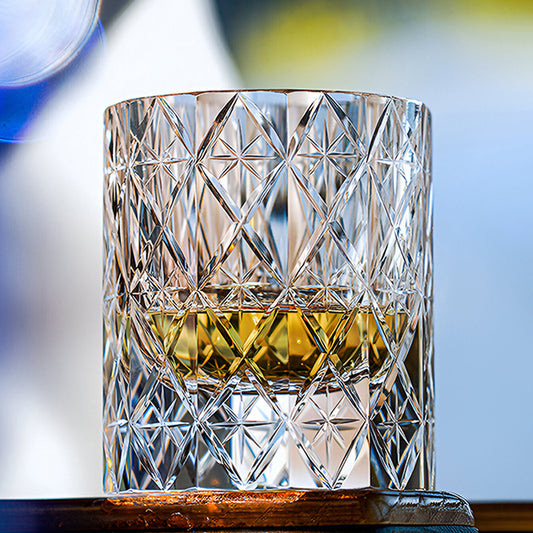
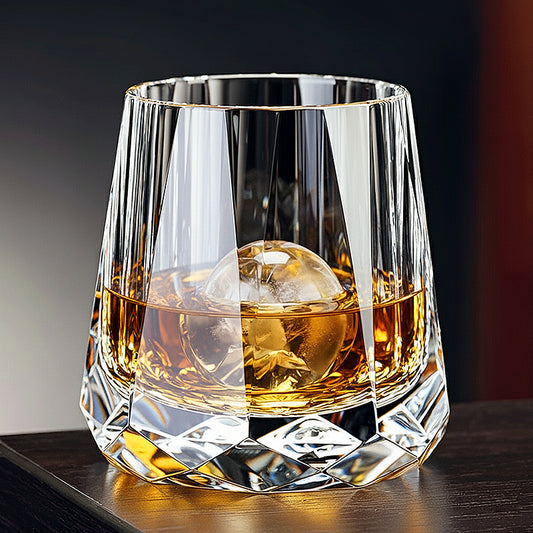
An Edo Kiriko glass is a Japanese cut glass piece known for crisp geometric patterns, layered color, and a tactile feel that makes an ordinary pour feel considered. For a home bar, it is a distinctive whiskey glass that works especially well when you want the serving ritual to feel as memorable as the bottle.
If you are comparing Japanese barware with traditional crystal, the right choice comes down to how you drink, how you entertain, and whether you want a useful object, a display piece, or a meaningful gift. This guide explains the differences in plain English so you can buy with confidence.
Key Takeaways
- Edo Kiriko is Japanese cut glass associated with Tokyo and its Edo period craft heritage.
- Choose a rocks glass for whiskey served neat, on a large cube, or as an Old Fashioned; choose a highball glass for whiskey and soda.
- Compared with many Western crystal styles, Edo Kiriko often emphasizes precise repeating cuts, color contrast, and a more architectural pattern language.
- For a gift, select the glass shape first, then choose a pattern and color that fit the recipient's home bar.
- Handcrafted glassware can vary slightly from piece to piece; that variation is part of the appeal, not necessarily a defect.
What Is an Edo Kiriko Glass, and Why Does It Stand Out?
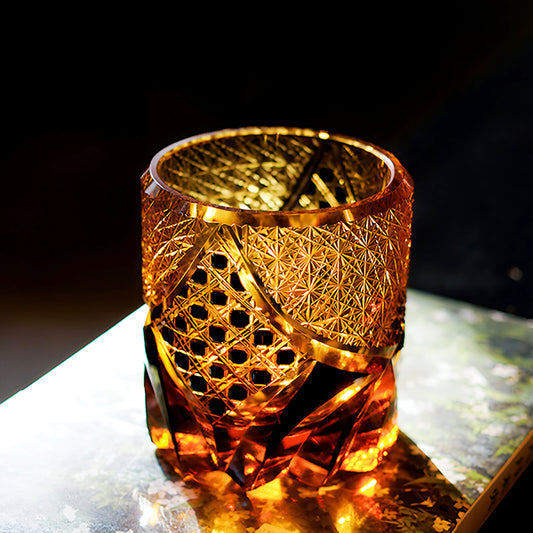
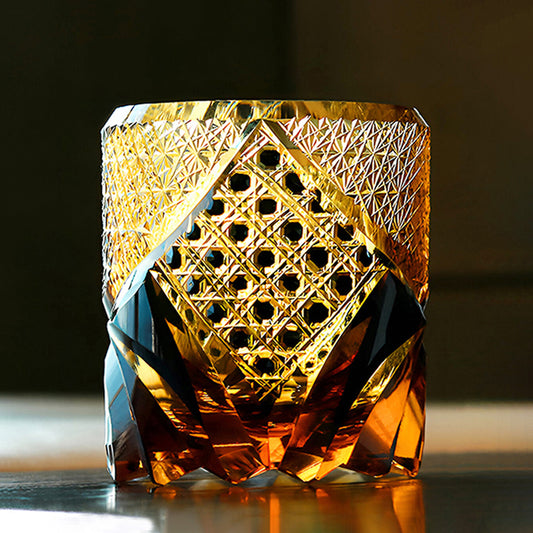
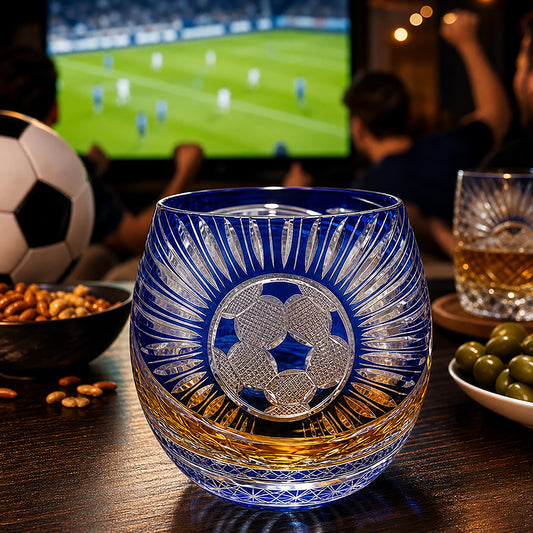
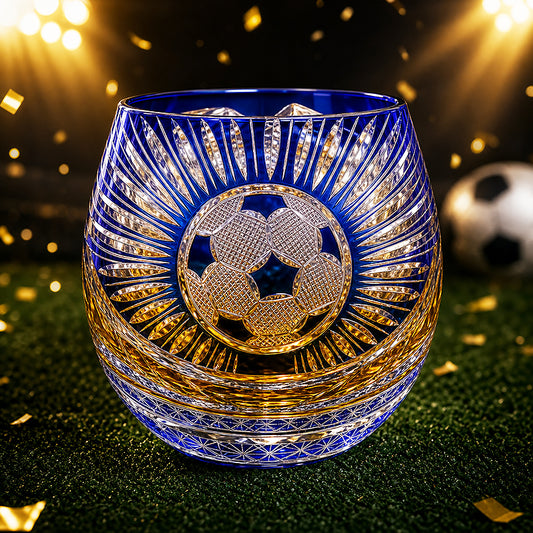
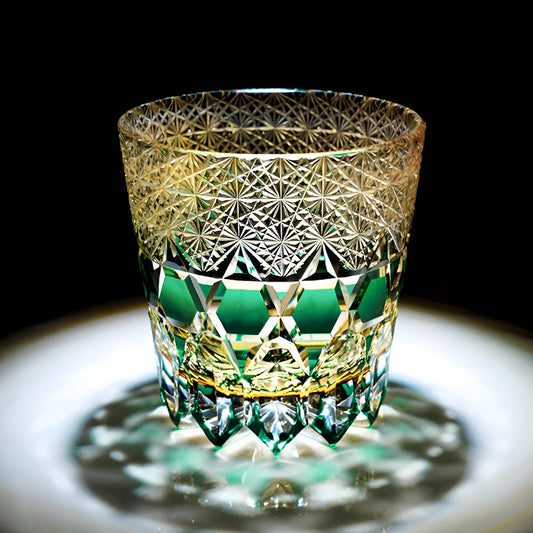
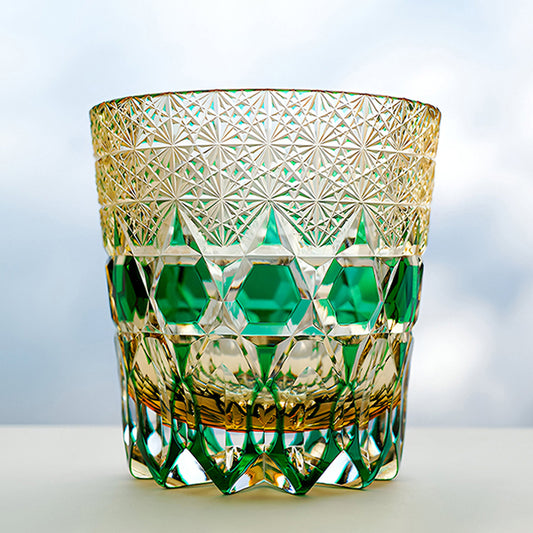
Edo Kiriko is a style of Japanese cut glass that developed in Tokyo during the Edo period, when the city was still called Edo. In simple terms, it often starts with colored glass layered over clear glass. A craftsperson cuts through the outer color to reveal bright clear lines underneath.
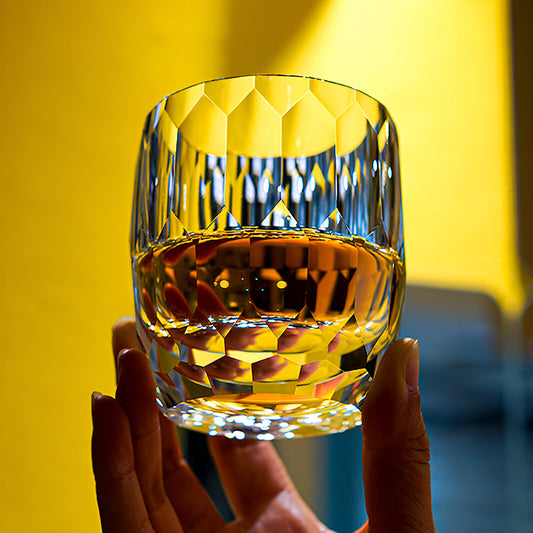
The result can look almost like light passing through a faceted gemstone. The patterns may be inspired by familiar Japanese motifs, such as hemp leaves, fish scales, chrysanthemums, or radiating stars. You do not need to know the names to appreciate the effect: the cuts create depth, sparkle, and a grip you can feel in your hand.
A true appreciation of an Edo Kiriko glass is less about treating it as a museum object and more about noticing what it changes at the bar. It catches low evening light, gives your hand a secure hold, and turns the simple act of pouring whiskey into a small occasion.
Not every Japanese cut glass item is identical, and product details matter. Before buying, check the maker's stated material, dimensions, capacity, and care guidance. If a listing claims a particular workshop, technique, or origin, that information should be clearly supported by the seller or maker.
Japanese Whiskey Glass vs Crystal: What Is the Practical Difference?
The phrase japanese whiskey glass vs crystal can be confusing because these categories overlap. Edo Kiriko may be made with crystal-based glass or other glass compositions, while “crystal” in US shopping language often describes the material, weight, clarity, or a traditional luxury look. One term can describe craft style; the other can describe material or market category.
For a buyer, the practical questions are more useful than the label alone: Is the glass comfortable? Does the shape suit your preferred drink? Are the cuts sharp and visually balanced? Does it feel appropriate for everyday use, special occasions, or both?
| Feature | Edo Kiriko-style glass | Conventional crystal whiskey glass |
|---|---|---|
| Visual language | Geometric Japanese cut patterns, often with layered color | Can range from classic facets to modern minimal designs |
| Home-bar mood | Intentional, artistic, conversation-starting | Traditional, formal, or universally familiar |
| Best for | Buyers seeking Japanese barware and a distinctive ritual | Buyers seeking a classic crystal look or a matched formal set |
| Gift appeal | Strong for design-minded recipients and Japan enthusiasts | Strong for traditional milestone gifts |
| Buying check | Confirm pattern, dimensions, care, and maker details | Confirm material, lead-free status if relevant, and durability guidance |
Crystal whiskey glasses often appeal because they feel substantial and familiar. Their extra weight can make a short pour feel ceremonial. Edo Kiriko adds a different kind of value: visual storytelling through cut pattern and color. It is like choosing between a tailored navy blazer and a beautifully patterned silk jacket. Both can be refined; they simply communicate different tastes.
If your recipient already owns plain crystal whiskey glasses, an Edo Kiriko glass can be a smart complement rather than a replacement. It gives the bar cart a piece with a distinct point of view.
Japanese Glass vs Western Glass: Which Style Fits Your Home Bar?
When comparing japanese glass vs western glass, avoid thinking in terms of better or worse. They often prioritize different visual traditions. Western cut glass commonly leans toward symmetry, formal table settings, and familiar diamond or fan cuts. Japanese glass frequently places equal emphasis on precision, seasonal feeling, negative space, and the way a pattern changes as you rotate it.
For a US home bar, Western glass is often the easy default: it matches almost any decanter, tray, or cocktail tool. Japanese barware is a more deliberate choice. It works particularly well in a space with warm wood, dark stone, brass, a record player, or a small collection of premium spirits.
Choose Western-style glass if you want a uniform set for frequent dinner parties, formal entertaining, or a classic steakhouse-inspired bar. Choose Edo Kiriko if you want the glass itself to be part of the conversation. A single patterned tumbler can bring character to a shelf full of otherwise neutral bar tools.
There is also no rule requiring one style throughout. A thoughtful home bar can mix a traditional decanter, a simple ice bucket, and two Japanese whiskey glasses reserved for a favorite bottle. The key is intention: use the pieces you reach for, not just the ones you display.
Edo Kiriko vs Waterford: How Should You Compare Them?
The comparison edo kiriko vs waterford is useful because both sit in the premium glassware conversation, but they usually offer different experiences. Waterford is widely recognized for Irish crystal and a polished heritage-luxury look. Edo Kiriko is associated with Japanese cut glass and the craft culture of Tokyo.
Think of Waterford as a classic luxury watch: recognizable, formal, and designed to signal tradition. Think of Edo Kiriko as a finely made mechanical pen with an intricate lacquer finish: still luxurious, but more personal, tactile, and design-forward. Neither is automatically the right answer for every buyer.
- Choose Edo Kiriko if the buyer values Japanese design, bold pattern, craft detail, and a less expected gift.
- Choose Waterford or similar Western crystal if the buyer prefers established formal crystal, a traditional wedding-gift look, or easy matching with existing pieces.
- Choose both over time if you enjoy setting different moods: formal crystal for celebratory dinners and Japanese cut glass for slower, more personal pours.
Price alone is not a complete quality test. Look at the actual product information, including where it was made, whether it is handmade or machine-made, the capacity, the intended beverage use, and care requirements. A well-chosen glass should feel good in use, not merely impressive in a product photo.
Highball vs Rocks Glass for Whiskey: Which Edo Kiriko Shape Should You Buy?
The question of highball vs rocks glass for whiskey is really a question about your drink order. Shape affects ice, carbonation, aroma, and how comfortably you hold the glass. Choose the style based on what you pour most often, not just the pattern you like most.
| Glass type | Best for | Why it works |
|---|---|---|
| Rocks glass | Neat whiskey, whiskey on one large cube, Old Fashioneds | Short and stable; leaves room to swirl and appreciate aroma |
| Highball glass | Japanese highballs, whiskey soda, long mixed drinks | Tall shape supports ice and carbonation while keeping the drink cold |
| Small tasting glass | Small pours and focused tasting | Useful for savoring, though capacity may be limited for cocktails |
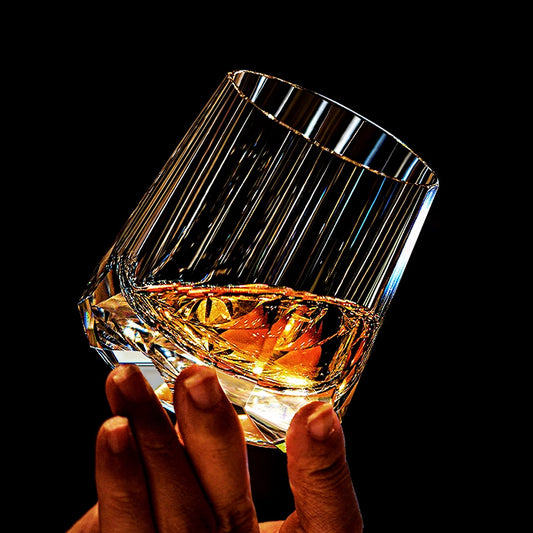
A rocks glass is the safer choice for someone who enjoys bourbon, Scotch, rye, or an Old Fashioned. It is also usually the most versatile gift option. A highball glass is the better choice for someone who likes a bright, refreshing Japanese highball: whiskey, plenty of ice, and sparkling water.
If you are building a pair, consider one rocks style for slow sipping and one taller style for highballs. An edo kiriko glass set can make the collection feel cohesive while still giving the recipient options for different drinks.
How Do You Choose Unique Whiskey Glasses for Men Without Guessing?
Many searches for unique whiskey glasses for men lead to novelty items that are entertaining once and forgotten later. A better gift is specific, useful, and connected to the recipient's habits. Edo Kiriko can meet that standard because it has an identifiable craft story while remaining practical barware.
Use this quick buying checklist:
- Start with the drinking habit. Choose a rocks glass for neat pours and Old Fashioneds, or a highball for whiskey soda.
- Check capacity. A beautiful small tumbler may not suit someone who uses large ice cubes or makes cocktails.
- Choose a pattern with purpose. Fine, understated cuts suit a minimalist bar; bolder color and deeper patterns suit a collector or design enthusiast.
- Consider the recipient's space. Blue, clear, and smoky tones tend to work easily in modern American interiors; richer red or amber tones can feel more celebratory.
- Review care instructions. Handcrafted glassware may need gentler washing than everyday tumblers.
For a birthday, Father's Day, retirement, housewarming, or groomsmen gift, add context rather than a generic message. Pair the glass with a bottle the recipient already enjoys, a large-format ice mold, or a handwritten note explaining why you chose Japanese cut glass. That turns a product into a considered gesture.
What Should You Know About Care, Authenticity, and Everyday Use?
Premium glassware is most enjoyable when it is actually used. Still, it deserves a little care. Follow the product-specific instructions first; some pieces may be dishwasher-safe, while others are better hand-washed with mild soap and dried with a soft cloth.
Avoid sudden temperature changes unless the maker specifically states otherwise. Do not pour boiling water into a whiskey glass, and do not move it directly from a very cold environment to hot water. Store it where it will not knock against other glassware.
For authenticity, focus on transparent product information rather than vague marketing. A reliable seller should clearly describe what the glass is, its dimensions, its material information when available, its origin claims, and its care needs. “Handcrafted” should not be used as a substitute for details.
When you want to compare styles side by side, Browse crystal whiskey glass sets for classic home-bar options. If the Japanese craft angle is what interests you most, Discover Japanese whiskey glasses to explore shapes and patterns suited to your preferred pour.
Frequently Asked Questions
Is an Edo Kiriko glass a good choice for whiskey?
Yes. An Edo Kiriko glass can be an excellent whiskey glass, especially in a rocks shape for neat pours, large ice cubes, or Old Fashioneds. Choose capacity and shape based on how you drink rather than pattern alone.
Japanese whiskey glass vs crystal: which is better for a gift?
Neither is universally better. Choose Japanese whiskey glassware when the recipient appreciates craft, Japan, and distinctive design. Choose conventional crystal when they prefer a traditional, formal, easily matched look.
What is the difference between Japanese glass vs Western glass?
Japanese glass often emphasizes pattern, precision, color contrast, and craft character. Western glass often emphasizes classic formality and familiar cut-crystal traditions. Both can be beautiful and functional.
Edo Kiriko vs Waterford: which feels more premium?
Premium depends on the recipient's taste, materials, workmanship, and product details. Waterford is associated with classic Irish crystal luxury, while Edo Kiriko offers a Japanese cut-glass craft experience with a more distinctive visual language.
Highball vs rocks glass for whiskey: which should I buy first?
Buy a rocks glass first if you mostly drink neat whiskey, whiskey on ice, or Old Fashioneds. Buy a highball first if you regularly make whiskey and soda drinks with plenty of ice.
Can an Edo Kiriko glass set be used every day?
It can, provided you follow the maker's care instructions. Many buyers reserve it for relaxed evening pours or hosting because that helps preserve the glass and keeps the experience special.
Final Choice: Pick the Glass That Matches the Pour
An Edo Kiriko glass is the right choice when you want more than a container for whiskey. It brings Japanese cut glass tradition, a Tokyo craft connection, and a vivid visual detail to your home bar without requiring you to become a glassware expert.
For the most versatile first purchase, choose a comfortable rocks glass. For a refreshing whiskey-and-soda ritual, choose a tall highball. For a memorable present, choose an Edo Kiriko piece that fits the recipient's actual drinking style, then let the pattern make it personal.
Explore the collection when you are ready to find handcrafted glassware that makes your next pour—and your next gift—feel more intentional.
Explore Our Collection
Ready to experience the world of Edo Kiriko glass? Browse our curated collection:
Disclaimer: This article is for informational purposes. Products and pricing subject to change.