
Edo Kiriko Glass: The Tokyo Craft That Elevates Every Home Bar
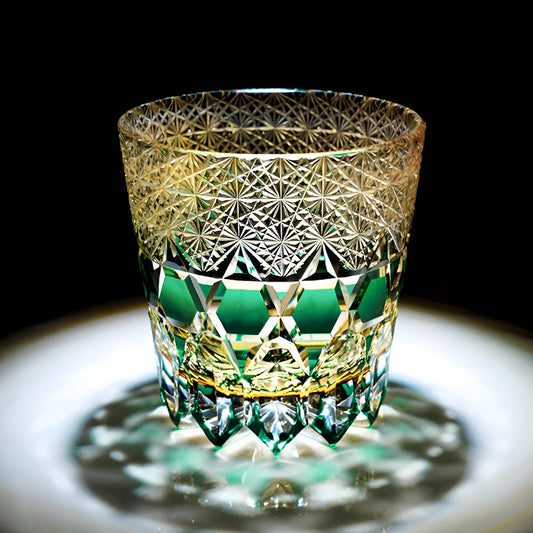
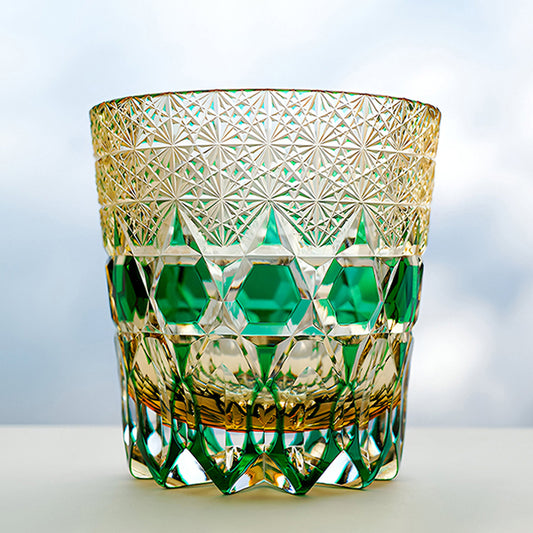
An Edo Kiriko glass is a piece of Japanese cut glass made to turn light, color, and a simple pour into something worth slowing down for. For a home bar, it offers more than the function of a Japanese whiskey glass: it brings the visual rhythm of traditional craftsmanship to bourbon, Scotch, or a favorite old fashioned.
Often recognized by its precise geometric cuts and richly colored layers, Edo Kiriko is one of Japan’s most admired forms of handcrafted glassware. Think of it as the difference between a printed pattern and a finely tailored suit: both can look good from a distance, but one reveals more care the closer you look.
Key Takeaways
- Edo Kiriko is a Tokyo-based Japanese traditional glass art known for hand-cut patterns that reflect and refract light.
- Its visual language grew from the Edo period, when glassmaking and urban culture flourished in what is now Tokyo.
- An Edo Kiriko whiskey glass can make a thoughtful gift for men, collectors, hosts, and anyone building a more intentional home bar.
- Quality is easier to appreciate when you look for clean cuts, balanced weight, pattern clarity, and transparent product information.
- Every glass should be treated as both usable Japanese barware and a crafted object deserving careful handling.
What Is Edo Kiriko Glass, and Why Does It Feel So Special?
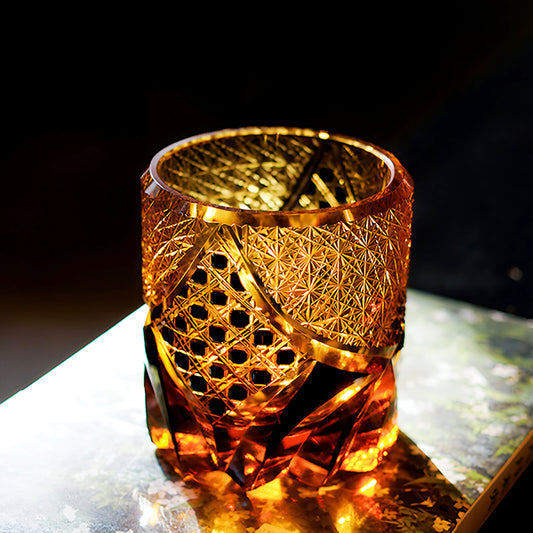
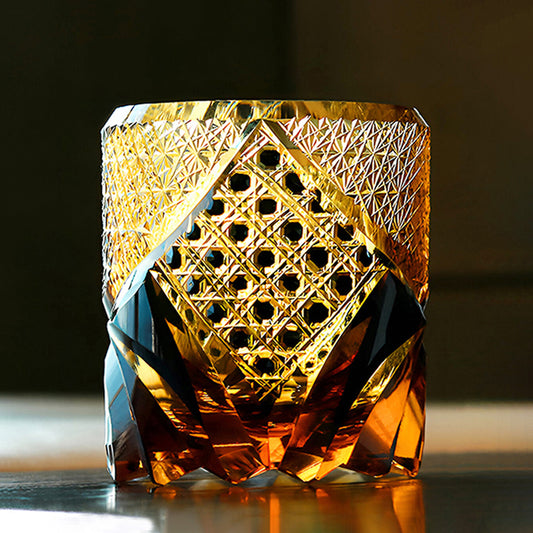
Edo Kiriko glass is Japanese cut glass associated with Tokyo. The name combines “Edo,” the historic name for Tokyo, and “kiriko,” meaning cut glass. Artisans create decorative designs by cutting into the surface of glass, often revealing a clear layer beneath colored glass.
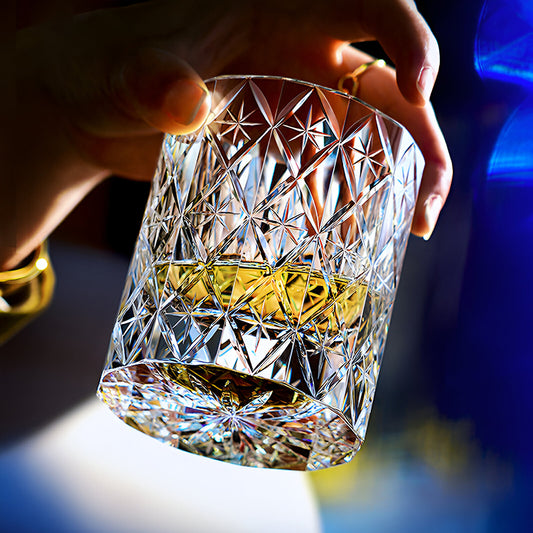
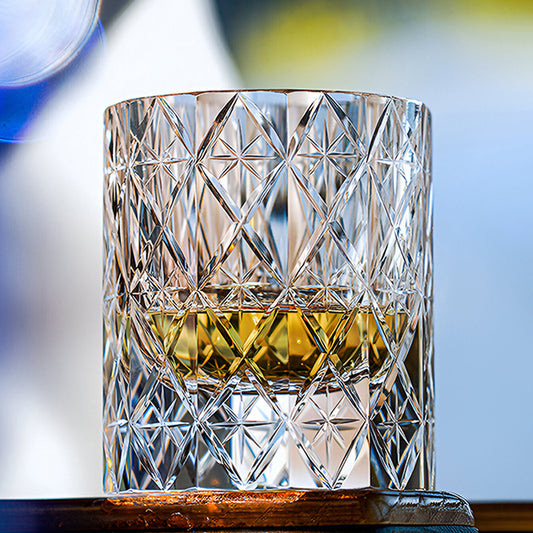
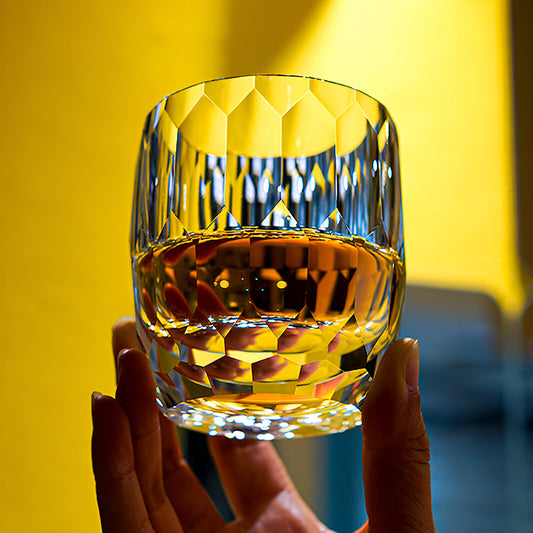
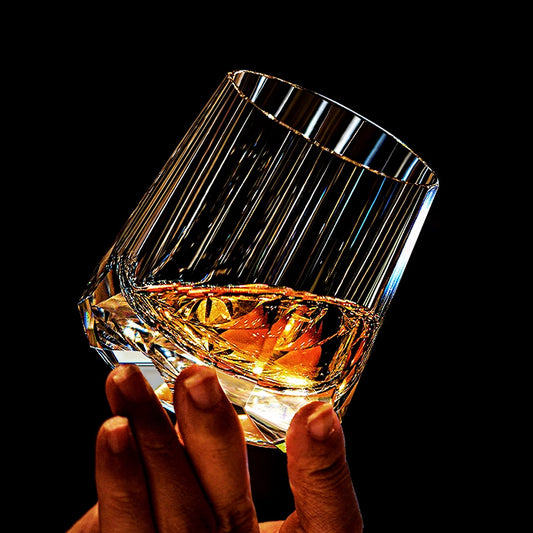
The result is not decoration added on top. The pattern becomes part of the glass itself. When you rotate the piece near a window or under a bar light, the facets catch light at different angles, creating shifting highlights that make a drink feel more considered.
This is why Edo Kiriko has lasting appeal for premium lifestyle buyers in the United States. It does not ask for a complicated ritual. Pour a neat whiskey after dinner, place the glass on a wood coaster, and the object does the rest: it makes an ordinary pause feel deliberate.
Not every Japanese cut glass product is identical, and details can vary by maker, pattern, color, size, and production method. That variation is part of the appeal. Rather than seeking factory-perfect sameness, many buyers value the visible decisions that give handcrafted glassware its character.
How Did Edo Kiriko History Begin in the Edo Period?
The edo kiriko history story begins in Japan’s Edo period, an era generally dated from the early 1600s to the late 1800s. Edo became a busy cultural and commercial center, and the city’s appetite for new materials, useful objects, and refined decoration helped shape the conditions for local glassmaking.
Early edo period glassware included practical and decorative forms. Over time, cutting techniques developed into a recognizable Tokyo tradition. The craft reflects a larger Edo-period sensibility: everyday objects could be useful, but they could also carry wit, beauty, and a strong sense of place.
For an American comparison, imagine the difference between a standard rocks glass and a hand-finished piece from a respected studio. Both hold the same cocktail. Yet the second carries a story of process, local identity, and accumulated skill. Edo Kiriko operates in that space between utility and art.
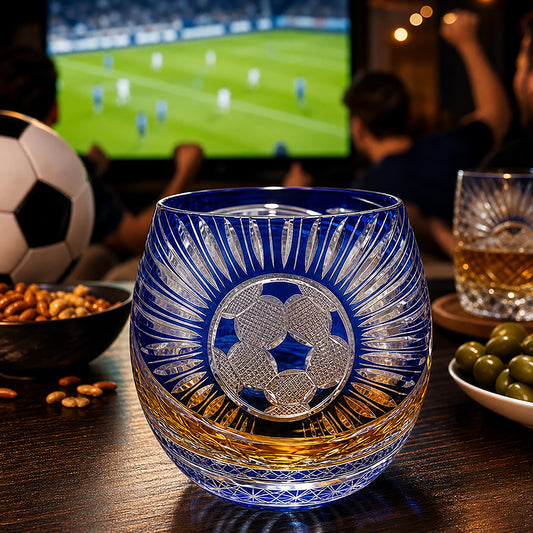
Its designs often use repeated geometric motifs inspired by natural forms and traditional visual culture. You may see star-like cuts, radiating lines, fish-scale patterns, or chrysanthemum-inspired forms. These patterns are not merely ornamental; their repetition helps the glass scatter light and gives the surface a satisfying tactile presence.
Who Are the Tokyo Glass Craftsmen Behind Japanese Traditional Glass Art?
The heart of Edo Kiriko is the practiced hand of the Tokyo craftsman. Creating a cut-glass piece involves judgment at every stage: centering the glass, selecting the pattern, controlling pressure, and keeping each line consistent while working around a curved surface.
In a traditional workflow, a design is first planned and marked. The maker then uses rotating wheels and abrasive tools to cut the surface in stages. Broad cuts establish the structure; finer cuts sharpen the pattern and create the crisp edges that define Japanese cut glass.
This is demanding work because glass does not forgive impatience. A cut placed too deeply, too shallowly, or at the wrong angle can interrupt the pattern. On a finished piece, the best craftsmanship often feels effortless: the design appears balanced, the cuts look clean, and the glass sits comfortably in the hand.
That human element matters. When you choose handcrafted Japanese glassware, you are not just selecting color or shape. You are choosing an object shaped by learned repetition, close attention, and a tradition kept relevant through modern use.
For a home bar, this makes Edo Kiriko especially compelling. It is refined without being fragile in spirit. It belongs on a shelf, but it is made to be picked up, filled, shared, and remembered.
Why Does an Edo Kiriko Whiskey Glass Belong in a Home Bar?
A well-chosen Edo Kiriko whiskey glass gives a home bar a focal point. It can complement a bottle collection, but it also works for people who own only a few favorite spirits and want the serving experience to feel more personal.
Whiskey is already a sensory drink: aroma, color, temperature, texture, and finish all matter. The glass does not change the whiskey’s origin or age statement, but it changes the moment around the pour. The cut pattern makes amber liquid look warmer, while the weight and texture make a quiet drink feel more ceremonial.
| Feature | Everyday tumbler | Edo Kiriko glass |
|---|---|---|
| Visual detail | Usually simple and uniform | Hand-cut geometric pattern with light-reflecting facets |
| Home-bar role | Functional everyday use | Functional use plus a display-worthy conversation piece |
| Gift impression | Useful but familiar | Personal, culturally rooted, and memorable |
| Best for | Casual mixed drinks and large gatherings | Neat pours, special cocktails, celebrations, and intentional gifting |
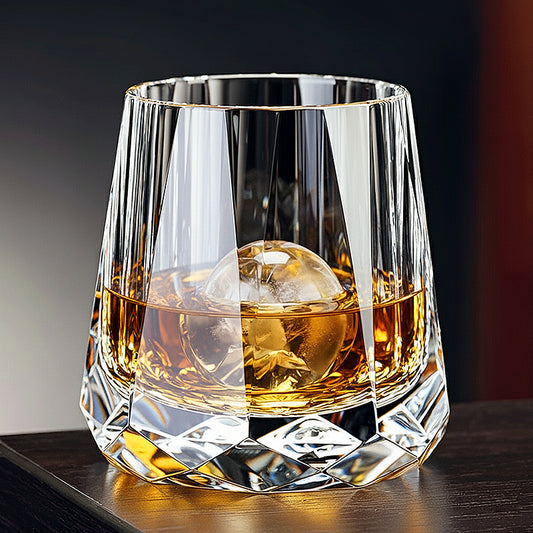
Use it for a neat rye, a single large ice cube, or a classic old fashioned. A Japanese whiskey glass can also be a fitting choice for non-whiskey drinkers: sparkling water, iced tea, or a zero-proof cocktail all benefit from a glass that invites you to notice color and texture.
For more styles suited to spirits and gifting, Explore luxury whiskey glasses. The strongest home-bar collections are not always the largest; they are the ones where each object has a reason to be there.
What Makes Edo Kiriko a Meaningful Gift for Men?
Finding a gift for men can be difficult when the recipient already buys practical items for himself. An Edo Kiriko glass offers a better kind of usefulness: it is something he can enjoy regularly, while still feeling distinctive enough for a birthday, anniversary, wedding party, promotion, Father’s Day, or housewarming.
The cultural story gives the gift depth without making it overly formal. You can explain it simply: this is a Tokyo cut-glass tradition, made to catch the light, chosen for the moments when a drink is more than a drink.
It is particularly well suited to someone who appreciates whiskey, Japanese design, craftsmanship, or a carefully built home bar. It also works for a person who values objects with a visible process behind them. Unlike a generic gift set, an Edo Kiriko piece invites questions: What does the pattern mean? How was it cut? Why does the color look different from each angle?
When buying, avoid relying on vague claims alone. Look for clear descriptions of the design, dimensions, care guidance, and production details available from the seller. If a material, maker, or place of production is important to your purchase decision, confirm it directly rather than assuming every Japanese-style glass has the same origin or method.
How Should You Choose Handcrafted Japanese Glassware?
Choose an Edo Kiriko glass based on how it will actually be used. A dramatic pattern may be perfect for display, while a slightly simpler cut may become the glass you reach for every Friday night. The best choice balances beauty, comfort, and the recipient’s habits.
- Start with use: Choose a rocks-glass shape for neat whiskey, bourbon, old fashioneds, or nonalcoholic drinks over ice.
- Consider color: Deep blue, red, purple, and clear designs create different moods. Darker colors can feel especially striking under warm bar lighting.
- Look at pattern density: Fine, intricate cuts reward close viewing; larger patterns often read more clearly from across a room.
- Check scale: A glass should feel natural in the hand and suit the amount of spirit or ice the recipient prefers.
- Read care instructions: Handcrafted glassware may need gentler washing and storage than everyday machine-made drinkware.
A thoughtful purchase is not about finding the loudest design. It is about selecting a piece that fits a person’s rituals. Someone who drinks one small pour after work may appreciate a compact, detailed glass. Someone who enjoys hosting may prefer a coordinated set that gives guests an immediate talking point.
To see options designed around this tradition, Shop our Edo Kiriko collection. Let the product details guide your decision, especially when choosing a gift.
How Do You Care for Japanese Barware and Cut Glass?
Care is part of ownership. The goal is not to make an Edo Kiriko glass untouchable; it is to preserve the clarity and sharpness of its cut surface so it can be enjoyed for years.
Wash gently with mild soap, lukewarm water, and a soft sponge unless the maker provides different instructions. Avoid abrasive scrubbers that can dull the surface or catch on delicate details. Dry with a soft, lint-free cloth, and avoid knocking glasses together in the sink or cabinet.
For storage, give each piece a little breathing room. If you keep glassware in a bar cabinet, consider separating pieces with soft liners or placing them where their rims will not touch when the door moves. These small habits protect both the glass and the experience of using it.
Frequently Asked Questions
What is Edo Kiriko glass?
Edo Kiriko glass is a Japanese cut-glass tradition associated with Tokyo. Makers cut geometric patterns into glass surfaces, often using colored-over-clear glass to create contrast, texture, and light-reflecting detail.
What is the Edo Kiriko history connected to the Edo period?
Edo Kiriko developed from glassmaking traditions that grew in Edo, now Tokyo, during the Edo period. It became known for combining practical glassware with decorative hand-cut patterns and remains an important form of Japanese traditional glass art.
Is Edo period glassware the same as every Japanese whiskey glass?
No. “Japanese whiskey glass” is a broad product description, while Edo Kiriko refers to a specific cut-glass tradition linked to Tokyo. Some whiskey glasses are Edo Kiriko; others may be Japanese-made or Japanese-inspired without using Edo Kiriko techniques.
How do Tokyo glass craftsmen create Japanese cut glass?
Tokyo glass craftsmen typically plan and mark a design, then use rotating wheels and abrasives to cut the pattern into the glass. The work requires control because the depth, angle, and spacing of every cut affect the finished design.
Is an Edo Kiriko whiskey glass a good gift for men?
Yes, especially for someone who enjoys whiskey, home-bar design, Japanese culture, or well-made objects. It is practical enough to use and distinctive enough to feel personal for birthdays, holidays, anniversaries, and housewarmings.
How should I clean handcrafted Japanese glassware?
Use mild soap, lukewarm water, and a soft sponge unless the specific maker says otherwise. Avoid harsh abrasives, sudden temperature changes, and crowded storage that can cause glasses to knock together.
Bring a Tokyo Craft Story to Your Next Pour
Edo Kiriko glass is a reminder that useful objects can still carry history, skill, and atmosphere. Rooted in Tokyo and shaped by the visual culture of the Edo period, it transforms a familiar whiskey pour into a small daily ritual.
Whether you are choosing a Japanese whiskey glass for your own home bar or searching for a gift with real character, start with the story behind the cut. The right piece does not need to shout. It simply catches the light, fits the hand, and gives an ordinary evening a little more meaning.
Explore Our Collection
Ready to experience the world of Edo Kiriko glass? Browse our curated collection:
Disclaimer: This article is for informational purposes. Products and pricing subject to change.