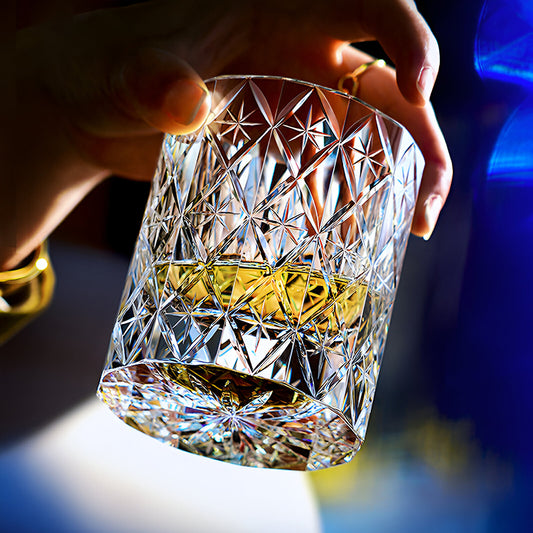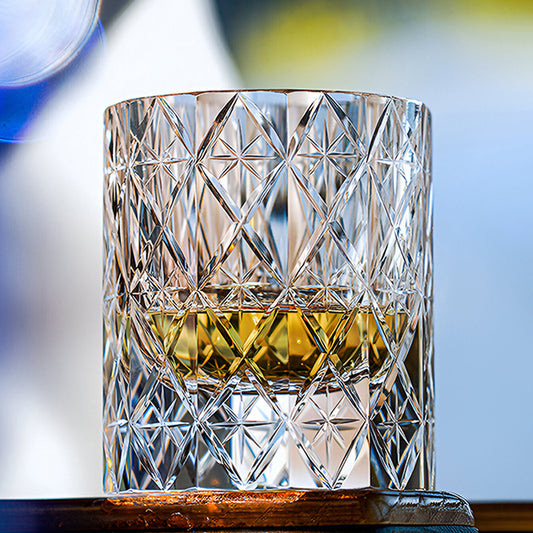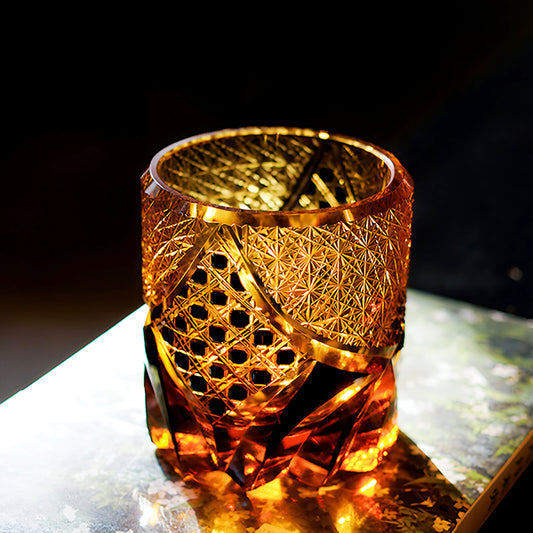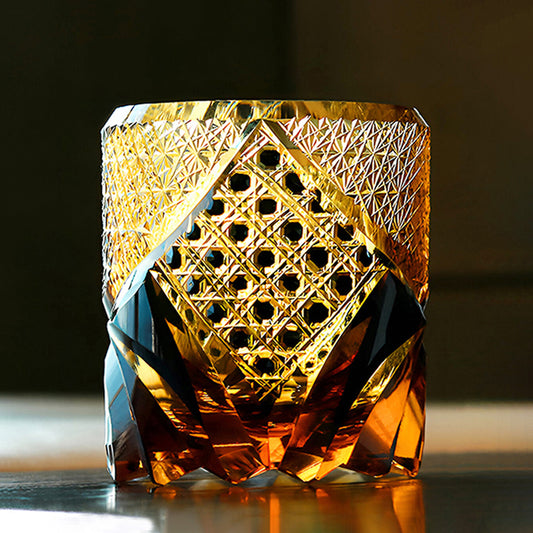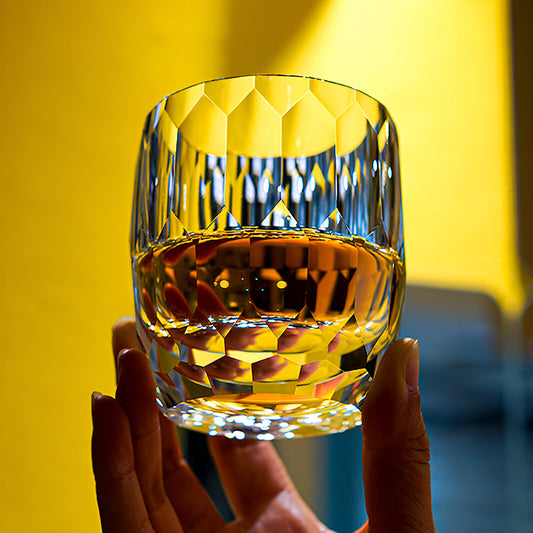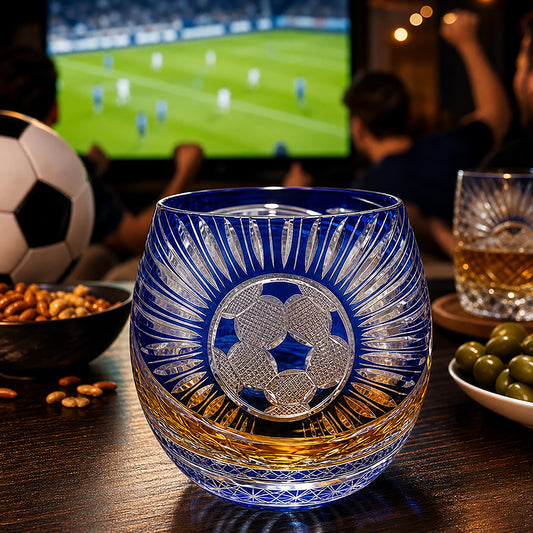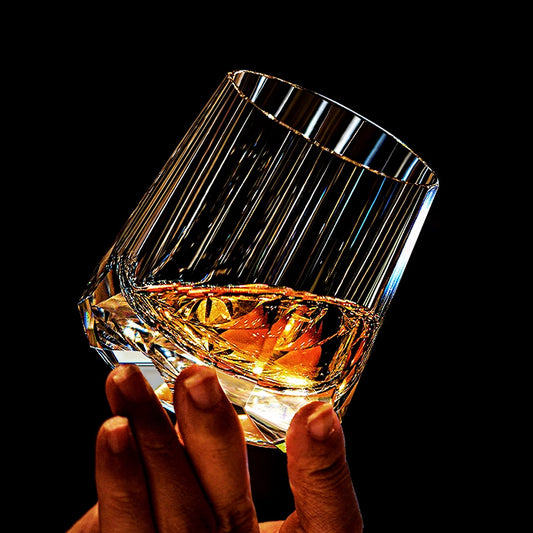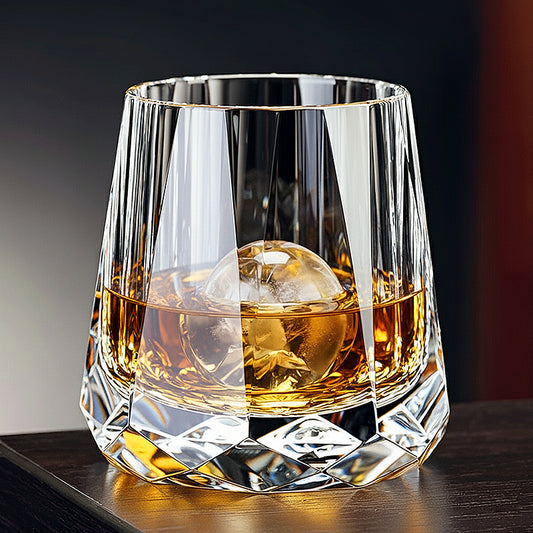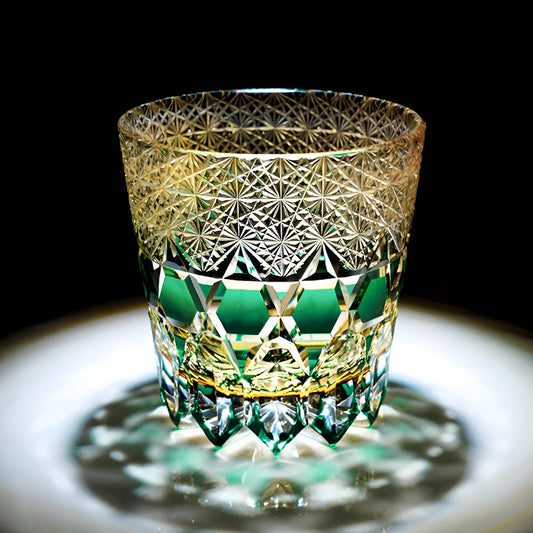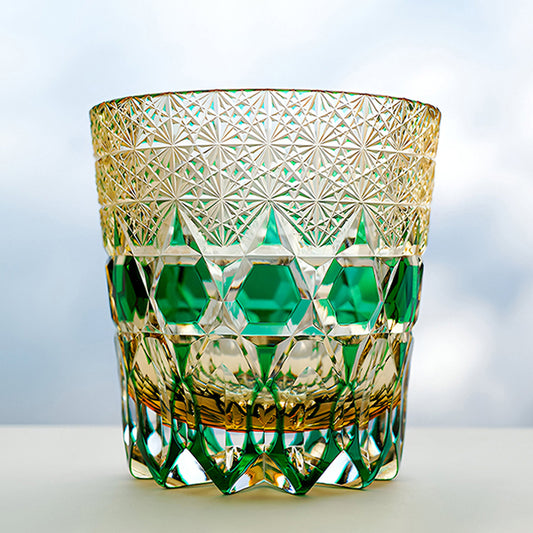

As a researcher of Japanese traditional crafts, I often get asked what sets an authentic Edo Kiriko glass apart from a regular whiskey glass. The answer lies in the hands of Tokyo glass craftsmen, who carve intricate patterns directly into crystal using centuries‑old techniques from the Edo period. This Japanese cut glass transforms your evening dram of Japanese whiskey into an artful ritual – and it makes a spectacular gift for men who appreciate handcrafted glassware.
Key Takeaways
- Edo Kiriko glass is a hand‑cut crystal art form born in Tokyo during the late Edo period (19th century), recognized as a traditional Japanese craft.
- Every piece is shaped by Tokyo craftsmen through a painstaking process that can require over 10 years of apprenticeship.
- The glasses elevate the experience of Japanese whiskey, making them ideal for a home bar or a memorable gift for men.
- Modern Edo Kiriko whiskey glass sets marry cultural heritage with functional luxury – they are truly the crown jewel of any whiskey collection.
What Is Edo Kiriko Glass? Unraveling the Story Behind Japanese Cut Glass
Edo Kiriko history officially begins in 1834, in the bustling merchant city of Edo – today’s Tokyo. A glass artisan named Kyubei Kagaya started experimenting with emery powder to engrave the surface of glassware, adapting European cut‑glass techniques he had glimpsed from Dutch traders. The result was a distinctly Japanese traditional glass art that would forever carry the city’s old name: Edo.
I still remember my first visit to a small atelier tucked away in Tokyo’s Sumida ward. The master, a third‑generation Tokyo glass craftsman, placed a finished whiskey glass in my palm and said, “Edo Kiriko is the light of the city trapped in crystal.” He was right. The pattern – a traditional nanako (fish‑roe) grid – danced under the shop’s single bulb, scattering tiny rainbows across the wall. From that moment, I understood that Edo Kiriko glass was never just a vessel. It is a narrative of resilience, a craft that survived wars and natural disasters to become one of Japan’s most prized luxury handicrafts.
Who Are the Tokyo Glass Craftsmen Keeping This Tradition Alive?
When we talk about Tokyo glass craftsmen, we’re speaking of a vanishingly small community – fewer than 100 officially recognized masters today. Their training isn’t measured in months; it’s measured in whole life chapters. An apprentice will spend three to five years simply learning to hold the grinding wheel before being allowed to cut a single pattern. Reaching the rank of Dento Kogei-shi (Certified Traditional Craftsperson) can take 15 years or more.
I’ve sat beside these artisans in their stifling summer workshops and freezing winter studios, watching their calloused fingertips guide a rapidly spinning iron wheel. There is no digital template, no CNC machine. The tokyo craftsman relies entirely on muscle memory and an almost spiritual connection with the glass. Each cut is a meditation. The sound – a high‑pitched hum of steel on crystal – is unforgettable. That sound is the heartbeat of handcrafted glassware that no factory can replicate, and it’s exactly what you bring into your home when you choose an authentic Edo Kiriko whiskey glass.
How Is an Edo Kiriko Whiskey Glass Made? The Handcrafted Process
Understanding the creation process reveals why the Edo Kiriko whiskey glass is far more than a simple tumbler. The journey starts with the glass blank, often blown from lead‑free crystal to ensure brilliant clarity and a satisfying weight. Then the real magic begins.
- Design Drafting (Shitazu) – The pattern is drawn directly onto the glass surface with a bamboo brush and a washable ink. Traditional motifs include kiku (chrysanthemum), kagome (woven bamboo), and the iconic nanako that mimics rows of fish eggs – a symbol of prosperity.
- Rough Cutting (Arazuri) – Using a horizontal iron wheel, the artisan carves the first rough grooves. This is the loudest, most physically demanding stage. Even a millimeter’s misjudgment can ruin a piece that took hours to prepare.
- Fine Cutting (Shiage) – The craftsman switches to finer wheels, often made of natural stone, to refine each facet and create the prismatic sparkle that makes Japanese cut glass so mesmerizing. The glass is held up to natural light a dozen times between passes to check the angle.
- Polishing – Finally, the piece is polished to remove any residual abrasive, revealing the deep, flawless luster that catches the amber glow of Japanese whiskey.
This multi‑day process means a single set of crystal whiskey glasses – a japanese whiskey glass set with a tumbler and matching decanter – can represent weeks of labor. That slow, intentional craftsmanship is the polar opposite of mass production, and it’s exactly why these pieces feel alive.
Comparing Edo Kiriko Glass with Modern Cut Crystal: A Quick Reference
| Feature | Edo Kiriko Glass | Standard Machine‑Cut Crystal |
|---|---|---|
| Crafting Method | Hand‑cut on rotating iron/natural stone wheels by a tokyo craftsman | Acid‑etched or machine‑pressed with a metal mold |
| Pattern Depth & Sharpness | Deep, uneven cuts with subtle variations – the sign of human touch | Perfectly uniform but often shallow and lifeless |
| Light Refraction | Complex, three‑dimensional sparkle due to multi‑angled facets | Predictable, one‑dimensional twinkle |
| Heritage Value | Part of Japan’s intangible cultural heritage; recognized by Tokyo’s Edo Kiriko Association | No cultural narrative |
| Best For | Japanese whiskey aficionados, luxury gift for men, collectors of japanese traditional glass art | Everyday casual use |
Why Edo Kiriko Glass Is the Perfect Gift for Men and a Home Bar Centerpiece
I’ve gifted more Edo Kiriko whiskey glasses than I can count, and the reaction is always the same: that pause when the recipient tilts the glass and sees light fracture across their palm. Whether it’s for a birthday, Father’s Day, or a housewarming, an Edo Kiriko glass communicates thoughtfulness on a level that a bottle of single malt alone cannot.
Here’s why it works so brilliantly as a gift for men:
- It’s deeply personal. Many men are drawn to precision and tools. Showing someone that this glass emerged from a spinning wheel guided by a master craftsman’s hand creates an instant emotional hook.
- It anchors a home bar. In the United States, home bartending has exploded. A set of crystal whiskey glasses with genuine Japanese cut glass heritage instantly elevates the setup from functional to gallery‑worthy. When you pour a splash of Japanese whiskey into an Edo Kiriko whiskey glass, the ritual becomes an event.
- It’s a conversation starter. Every Edo period glassware piece carries stories – of old Tokyo, of the Meiji restoration, of an artisan family that may have cut glass through the Kanto earthquake and still pours its soul into every facet. Guests will ask, and the owner gets to become the storyteller.
Curating Your Own Japanese Whiskey Glass Set: What to Look For
If you’re ready to add a piece of Tokyo to your home bar, a few insider tips will help you select the right Japanese whiskey glass set. First, check the weight. Authentic Edo Kiriko uses high‑density crystal that feels substantial but not clunky. Second, run your fingertip over the cuts. Hand‑cut edges feel crisp but never sharp enough to scratch – an impossible balance that only experienced Tokyo glass craftsmen can achieve. Third, look for the subtle asymmetry; the tiny, invisible wobble of a hand‑drawn grid is the signature of a human artist.
For an immediate collection upgrade, I recommend starting with a classic pair of tumblers. A matched japanese whiskey glass set with one Edo Kiriko whiskey glass design (say, the bold kagome pattern) and a matching clear decanter creates a stunning visual anchor. As your appreciation deepens, you can branch into Discover Japanese whiskey glasses with more complex kiku motifs, or even limited‑edition collaborations with contemporary studios.
How to Care for Your Handcrafted Glassware from Japan
A piece of Japanese traditional glass art deserves gentle care to remain brilliant for decades. Wash each Edo Kiriko glass by hand with mild soap and lukewarm water; never put it in the dishwasher, as the harsh detergent and heat can dull the intricate facets over time. Dry immediately with a soft lint‑free cloth. When storing, avoid stacking these crystal whiskey glasses – each one should rest on its own base or inside a individual soft pouch. This might sound precious, but when you hold a glass that a tokyo craftsman spent a week carving, you’ll want to treat it like the heirloom it is.
Who Should Buy an Edo Kiriko Whiskey Glass?
- The Whiskey Collector: If you already invest in rare Japanese whiskey bottles, an Edo Kiriko whiskey glass is the missing link – the only vessel that matches the artistry inside the bottle.
- The Design Enthusiast: For those who furnish their homes with Wabi‑Sabi aesthetics or Japanese minimalism, handcrafted glassware like this is not an accessory; it’s functional sculpture.
- The Thoughtful Gift‑Giver: Struggling to find a luxury gift for men that isn’t another gadget or tie? This glass tells a story, comes with provenance, and is used almost daily – a rarity in the gift world.
- The Home Bar Beginner: Even if you’ve just started building a home bar, starting with one exceptional piece like this sets the tone. It shows that you value quality over quantity, and you’ll be surprised how often that single glass gets chosen over all the others.
If any of these descriptions fit you, I warmly invite you to Explore luxury whiskey glasses and find the piece that resonates. There is an Edo Kiriko pattern for every personality – from the bold, geometric weave of kagome to the soft, auspicious curves of matsu (pine).
Frequently Asked Questions About Edo Kiriko Glass
What is the difference between Edo Kiriko and other Japanese cut glass?
Edo Kiriko refers specifically to cut glass produced in the Tokyo region that follows guild standards dating back to the 1830s. Satsuma Kiriko developed in Kagoshima around the same time but features thicker colored overlays. Edo Kiriko patterns are typically more delicate and precise, emphasizing geometric grids and floral motifs on crystal clear glass.
Is Edo Kiriko glass safe for drinking spirits?
Absolutely. Authentic Edo Kiriko is made with lead‑free crystal, and the cutting process doesn’t introduce any harmful chemicals. I personally use my own Edo Kiriko whiskey glass daily for Japanese whiskey and sake; the rim is always left smooth for comfortable sipping.
How can I tell if an Edo Kiriko whiskey glass is handmade?
Look for the tiny variations a machine can’t replicate. Under magnification, you’ll often see slight differences in the width of grid lines and the depth of cuts. Many artisan pieces also bear a small engraved mark from the workshop. The overall feel is warmer and heavier than a factory copy.
Can I put ice in an Edo Kiriko glass?
Yes. A heavy‑based Edo Kiriko tumbler comfortably holds a large ice cube or sphere. I enjoy an old‑fashioned cocktail in one because the crystal’s density keeps the drink chilled longer. Just lower the ice gently to protect the delicate facets.
Why is Edo Kiriko glass considered a good gift for men?
It strikes a rare balance between rugged tradition and refined luxury. Men who love craftsmanship connect with the tactile story of the glass – the spinning wheel, the artisan’s skill, the link to old Tokyo. Because it’s a daily functional item that doesn’t sit unused on a shelf, it becomes a deeply satisfying gift.
What makes Tokyo glass craftsmen so special in the world of cut glass?
Tokyo glass craftsmen inherit techniques from the Edo period that prioritize light refraction over simple decoration. Their extraordinarily long training under a master‑apprentice system preserves the city’s unique design vocabulary. Because the tradition nearly died out in the 20th century, today’s craftsmen are guardians of a living museum – each glass they produce is a small act of cultural preservation.
As my mentor likes to say, the soul of Edo Kiriko glass isn’t locked in a museum behind velvet ropes. It’s on your home bar, filled with a finger of fine Japanese whiskey, reflecting the light you live with every night. That connection – between a Tokyo craftsman’s hands and your evening ritual – is the reason this Japanese traditional glass art continues to captivate, generation after generation.
Explore Our Collection
Ready to experience the world of Edo Kiriko glass? Browse our curated collection:
Disclaimer: This article is for informational purposes. Products and pricing subject to change.