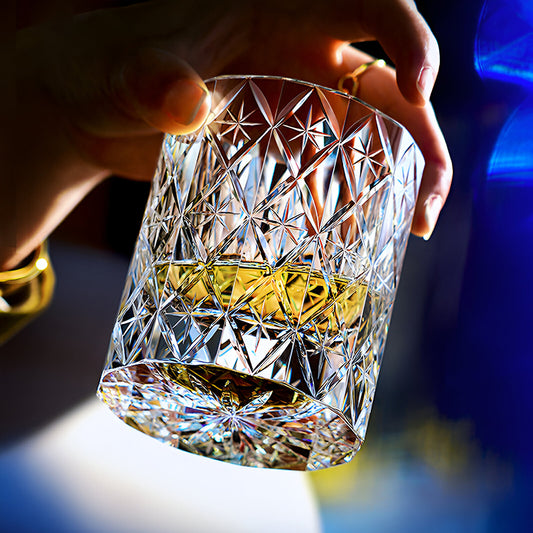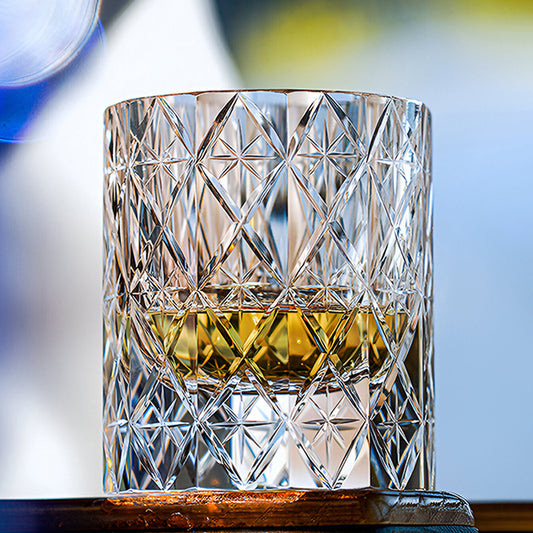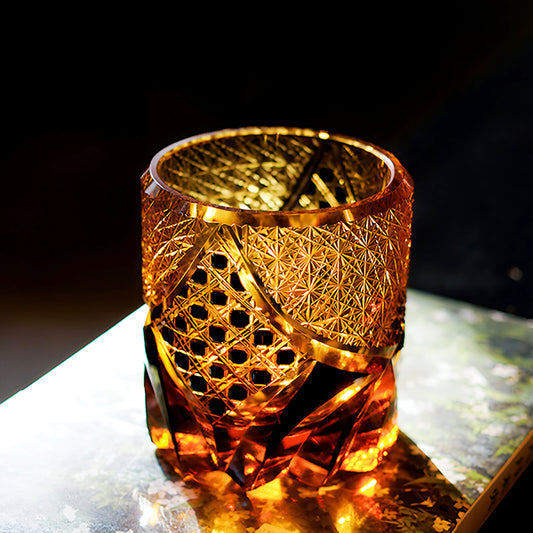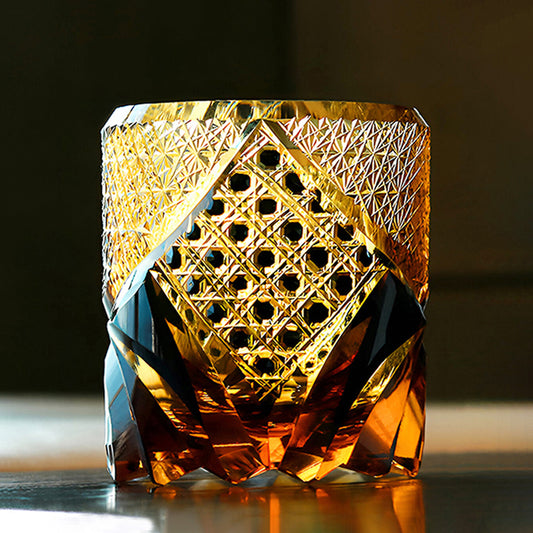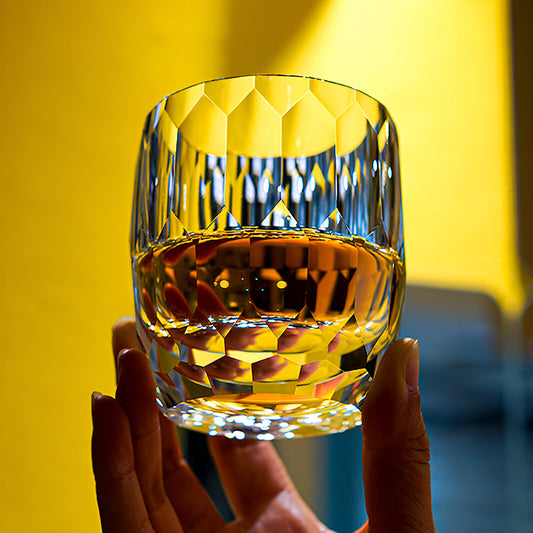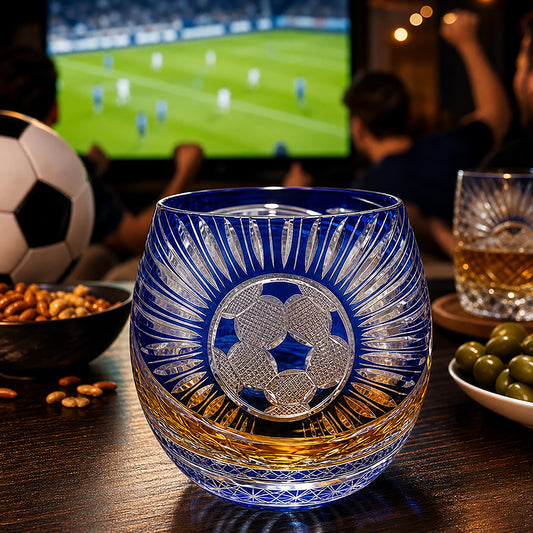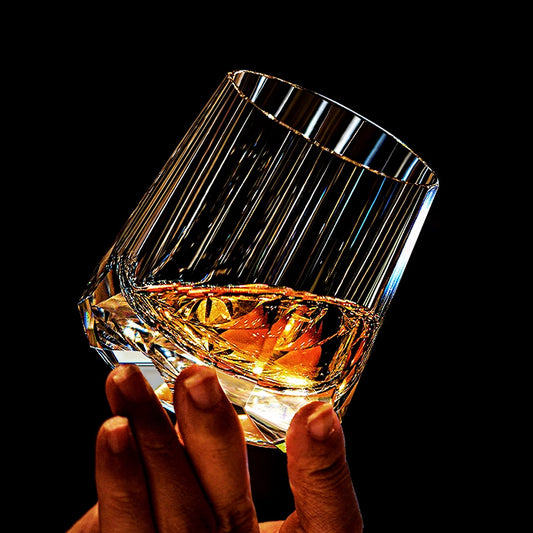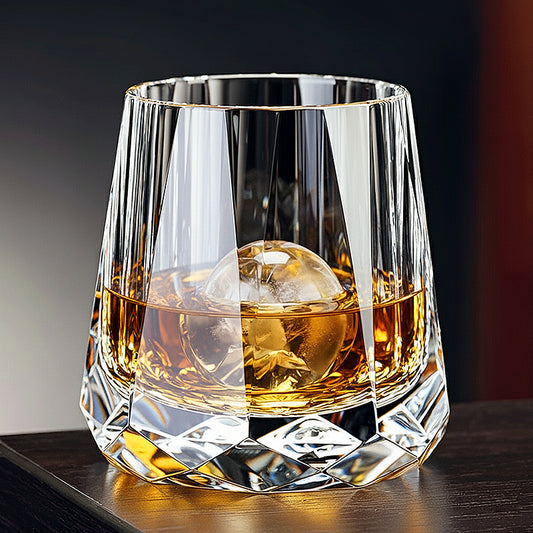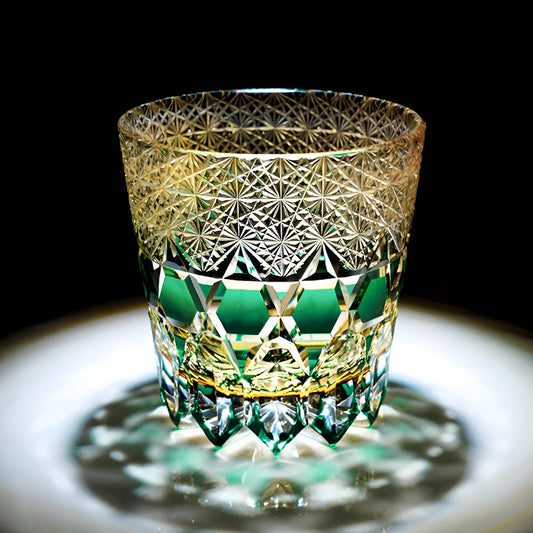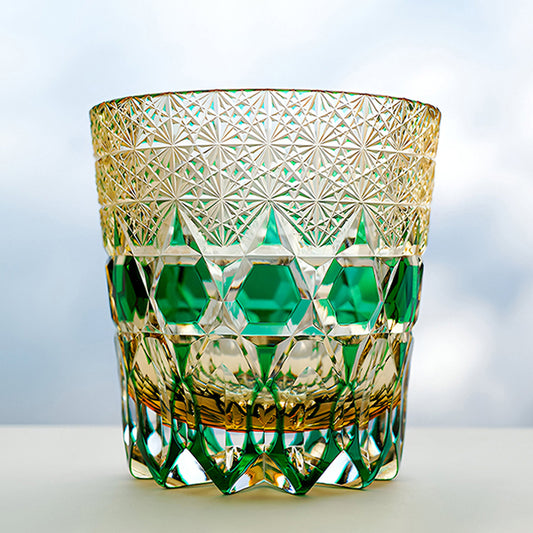

When you're shopping for an Edo Kiriko glass to elevate your home bar, the last thing you want is a counterfeit. I've collected Japanese barware for over a decade, and I've seen plenty of convincing fakes. Real Edo Kiriko is handcrafted from Japanese crystal using techniques dating back to the Edo period, and there are clear ways to verify authenticity. In this guide, I’ll show you how to spot fake Edo Kiriko, from material clues to process markers, so you can confidently invest in a genuine luxury whiskey glass.

Key Takeaways
- Real Edo Kiriko is cut by hand on lead crystal, leaving slight irregularities and a distinct feel.
- Fakes often use machine-pressed glass with uniform cuts and no tool marks.
- Look for a maker’s mark, evidence of grinding, and clarity of the glass.
- Edo Kiriko whiskey glasses are a worthwhile investment for any bourbon or Japanese whiskey lover.
- Shop our Edo Kiriko collection for authentic pieces.
How to Spot Fake Edo Kiriko Glass: The Telltale Signs
Over the years, I’ve developed a checklist that helps me quickly separate genuine Edo Kiriko from imitations. Most fakes try to mimic the iconic cut patterns, but they nearly always fall short in material, craftsmanship, and details. Here’s what I look for:
- Weight and feel – Authentic Edo Kiriko is made from high‐lead crystal (usually 24% PbO). It’s substantially heavier than common soda‐lime glass. When you hold a real piece, it feels dense and cool to the touch, almost like a luxury whiskey glass that belongs in a high‐end home bar.
- Cut precision vs. uniformity – Hand‐cut Edo Kiriko will show tiny, intentional irregularities. The facets aren’t perfectly identical; you can see the subtle path of the artisan’s wheel. Machine‐pressed fakes, on the other hand, look too perfect, with every cut exactly the same depth and angle.
- Clarity and sparkle – Japanese crystal used in Edo Kiriko has brilliant clarity and a distinct, prismatic sparkle. Counterfeits often appear cloudy or dull, especially around the cuts.
- Maker’s mark or signature – While not all workshops sign their pieces, many authentic Edo Kiriko glasses bear a discreet engraved mark on the base. This could be a workshop logo, a “Japan” stamp, or the artisan’s initials.
- Price – If a set of “Edo Kiriko” whiskey glasses is selling for $20, walk away. The labor‐intensive handcrafting process means a single authentic glass typically retails between $80–$200+.
What Is Japanese Glass Identification for Edo Kiriko?
Japanese glass identification goes beyond just looking at a sticker. For Edo Kiriko, you’re tracing a living tradition that began in the late Edo period (around 1834) in Tokyo. At its core, the craft involves carving intricate, geometric patterns into transparent or colored crystal using a grinding wheel. When I’m verifying a glass, I check for three non‐negotiable traits:
- Lead crystal composition – True Edo Kiriko glass is always made from crystalline glass with a lead content of around 24%, giving it a resonant ring when tapped and a heavy bottom. Hold it up to light; you should see a rainbow‐like spectrum at the edges.
- Traditional patterns – Authentic designs include “yarai” (bamboo fence), “kagome” (woven basket), and “nanako” (fish roe). These are deeply cut, never just surface‐etched. Fakes often print or acid‐etch a simplified version.
- Grinding marks – Under a magnifying glass, real Edo Kiriko shows faint concentric grinding lines inside the cuts, a signature of the rotating iron wheel used in the handcrafting process.
Many fakes will skip these details entirely, which makes japanese glass identification a skill worth honing before you buy.
Edo Kiriko Glass Authenticity: Materials and Process Markers
When I talk about Edo Kiriko glass authenticity, I’m really talking about the physical evidence of an artisan’s hand. The production method is everything. Genuine Edo Kiriko is “kiriko” – cut glass – not pressed or molded. Here’s a closer look at what separates the real deal from the counterfeit:
- Hand‐cut on a rotating wheel – Artisans use a diamond‐tipped or iron grinding wheel to carve each groove. This leaves a slightly rough, matte texture inside the cuts. Fakes made in a single mold will have glossy, smooth grooves with no texture.
- Seam lines – Because counterfeit glasses are often mechanical pressed into a mold, they frequently show faint vertical seam lines on the sides. Real Edo Kiriko never has mold seams; it starts as a blown or block‐cut blank that is then hand‐cut.
- Tool chatter – On closer inspection, you might see tiny, rhythmic nicks or “chatter marks” along the cut edges. These are impossible to replicate with a machine and are a reassuring sign of authentic handcrafted glassware.
- Bottom thickness – Authentic Edo Kiriko whiskey glasses, especially those designed as a bourbon glass or Japanese whiskey sipper, have a noticeably thick, heavy base. This isn’t just for aesthetics; it’s a structural requirement of the cutting process.
Every time I train a colleague on edo kiriko glass authenticity, I hand them a cheap knockoff and a real piece side by side. The difference in feel, weight, and acoustic ring is instantly obvious.
Real vs Fake Japanese Glassware: Side-by-Side Comparison
Nothing clarifies the difference like a direct comparison. I’ve put together a table that quickly summarizes real vs fake Japanese glassware when it comes to Edo Kiriko.
| Feature | Authentic Edo Kiriko Glass | Fake / Mass-Produced Imitation |
|---|---|---|
| Material | Lead crystal (24% PbO), heavy, brilliant | Soda-lime glass, lightweight, often cloudy |
| Cut Edges | Hand-ground, slightly irregular, matte finish inside cuts | Mold-pressed, perfectly uniform, glossy inside |
| Weight | Substantial, dense feel | Hollow, cheap feeling |
| Clarity | Exceptional sparkle, prismatic light dispersion | Dull, no prism effect, occasionally bubble streaks |
| Maker’s Mark | Often engraved workshop symbol or “Japan” | Missing, or a generic printed sticker |
| Price Range | $80–$200+ per glass | $5–$30 per glass, often sold in sets |
Whenever you’re unsure, refer back to this real vs fake japanese glassware table. It will save you from wasting money on something that looks like Edo Kiriko but lacks the soul – and the craftsmanship.
Why a Luxury Whiskey Glass from Edo Kiriko Elevates Your Home Bar
A genuine Edo Kiriko glass isn’t just a drinking vessel; it’s a piece of art that transforms the ritual of pouring Japanese whiskey or a small-batch bourbon. I keep a set of crystal whiskey glasses from Edo Kiriko on my own bar, and guests always notice the difference. The thick base, the way the amber liquid catches the cut facets – it’s a sensory upgrade that a generic rocks glass can’t match.
For anyone building a curated home bar, an Edo Kiriko whiskey glass ticks all the boxes: it’s a conversation starter, a functional luxury whiskey glass, and a nod to Japanese craft. Many of my friends now use them exclusively for their evening dram. If you’re looking to Browse crystal whiskey glass sets that aren’t just pretty but authentic, Edo Kiriko should be at the top of your list.
The beauty of these glasses is that they work for any dark spirit. I pour both bourbon and single-malt scotch into mine, and the experience always feels elevated. That’s the power of true Japanese barware – it makes the ordinary moment feel like a ceremony.
Who Should Buy an Authentic Edo Kiriko Glass?
After years of guiding collectors, I’ve identified a few types of people who absolutely should own a genuine Edo Kiriko glass:
- The Whiskey Enthusiast – If you can taste the difference between a 12-year and an 18-year single malt, you deserve a glass that honors the spirit. Real Edo Kiriko elevates the nosing and sipping experience.
- The Home Bar Curator – Your bar cart should have at least one set of showstopper crystal whiskey glasses. Edo Kiriko brings an artistic, international edge to any American home bar.
- The Thoughtful Gift Giver – Searching for a gift for men who have everything? A handcrafted Edo Kiriko glass is unforgettable, especially when paired with a bottle of fine Japanese whiskey. It’s a luxury whiskey glass that carries a story.
- The Craft Collector – If you appreciate the value of the Edo period and the intangible heritage of handcrafted glassware, an authentic Edo Kiriko piece is a tangible link to Tokyo’s artisan history.
I often recommend these glasses to anyone who wants their bar to feel intentional, not generic. Once you hold a real one, there’s no going back.
FAQs About Edo Kiriko Glass
What is Edo Kiriko glass?
Edo Kiriko glass is a traditional Japanese cut-glass craft that originated in Tokyo during the late Edo period (1803–1868). Artisans hand-cut intricate patterns into lead crystal using rotating grinding wheels, creating glassware renowned for its brilliance, weight, and detail.
How can I tell if my Edo Kiriko glass is real?
Check the weight, clarity, and cut texture. Real Edo Kiriko is heavy lead crystal with visible hand-cutting marks, no mold seams, and often a maker’s mark on the base. A uniformly glossy and lightweight glass is almost certainly a fake.
Does authentic Edo Kiriko glass have bubbles?
Occasionally, yes. Tiny, randomly placed bubbles are natural in hand-blown crystal blanks and can even be a sign of authenticity. Large, aligned bubbles or streaks, however, indicate poor-quality glass.
Is Edo Kiriko glass safe for hot liquids?
No. These glasses are made from lead crystal and are designed for cold or room-temperature beverages like whiskey, bourbon, or water. Sudden temperature changes can crack the crystal, so avoid pouring hot coffee or tea into them.
Where can I buy authentic Edo Kiriko whiskey glasses?
Purchase from reputable retailers that specialize in Japanese barware and can guarantee the origin. Look for detailed product descriptions that mention lead crystal composition and hand-cut techniques. To save time, you can Shop our Edo Kiriko collection – I personally vet every piece we carry.
How should I care for my Edo Kiriko glass?
Hand-wash only with mild soap and lukewarm water. Never use a dishwasher or abrasive sponges, as they can dull the cut edges and damage the crystal. Dry gently with a soft cloth to maintain the sparkle.
Ready to add an authentic Edo Kiriko glass to your collection? Explore our curated selection of Japanese crystal whiskey glasses, each hand-cut by master artisans. Shop our Edo Kiriko collection today and experience the difference of genuine craftsmanship.
Explore Our Collection
Ready to experience the world of Edo Kiriko glass? Browse our curated collection:
Disclaimer: This article is for informational purposes. Products and pricing subject to change.