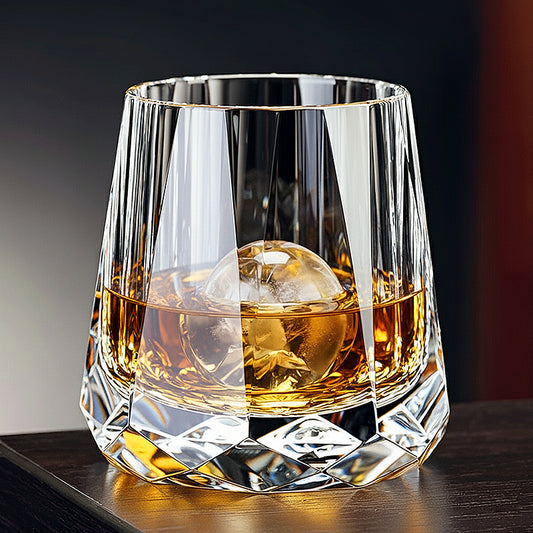

Edo Kiriko Glass Authenticity Guide: How to Buy Real Handcrafted Japanese Glassware
Edo Kiriko glass is authentic when it shows precise hand-cut patterns, high-quality glass or crystal, documented Japanese craftsmanship, and finishing details consistent with the Edo Kiriko tradition from Tokyo, Japan. If you are buying a Japanese crystal whiskey glass for a home bar or searching for unique whiskey glasses for men, knowing the difference between real and fake pieces helps you avoid mass-produced lookalikes.
Edo Kiriko, sometimes described as Japanese cut glass, is a traditional Japanese craft rooted in the Edo period. A real piece should feel like functional art: crisp under the fingertips, luminous under light, and balanced in the hand when used for Japanese whiskey or a carefully poured old fashioned.

Key Takeaways: What Makes an Edo Kiriko Glass Authentic?
- Real Edo Kiriko glass is cut, not simply printed. The pattern should have depth, texture, and clean edges you can feel.
- Authenticity is tied to craftsmanship and origin. True Edo Kiriko is associated with Tokyo and neighboring areas, with techniques passed down from the Edo period.
- Color should look layered, not painted on. Many pieces use colored glass over clear glass, then cut through to reveal contrast.
- Cheap perfection can be suspicious. Machine-cut or molded pieces may look symmetrical but lack the life and finishing of handcrafted glassware.
- Documentation matters. Boxes, maker marks, studio information, certificates, and retailer transparency all support edo kiriko glass authenticity.
If you are comparing gifts, a Browse crystal whiskey glass sets page can help you see proportions, patterns, and set options before you decide.
What Is Edo Kiriko Glass and Why Is It Special?
Edo Kiriko glass is a style of Japanese cut glass that developed in Edo, the former name of Tokyo, during the Edo period. The word “kiriko” refers to cut glass. In simple terms, imagine the sparkle of fine crystal, the precision of engraving, and the patience of a woodblock printmaker brought together in one drinking glass.
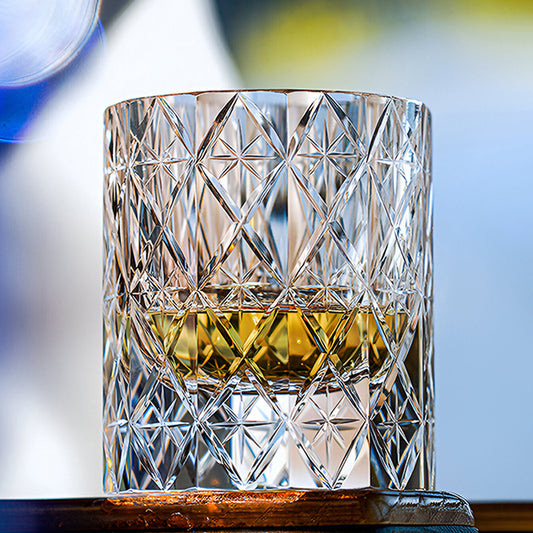
The craft became known for geometric patterns cut into the surface of glass using wheels and polishing tools. Designs often include chrysanthemum-like starbursts, bamboo leaves, fish scales, lattice cuts, and other motifs tied to Japanese aesthetics. These patterns are not just decorative. They show control, rhythm, and the maker’s understanding of light.
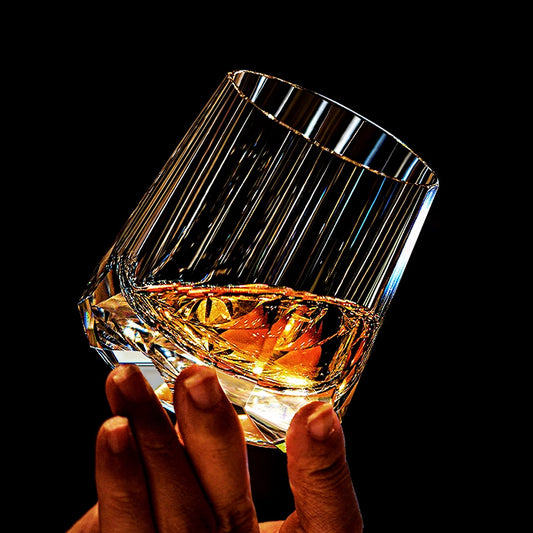
For US buyers, Edo Kiriko often enters the conversation through Japanese whiskey culture. A handcrafted glass makes a pour of Hibiki, Yamazaki, Nikka, bourbon, or rye feel more intentional. The glass catches amber tones beautifully, making it popular for home bars, anniversaries, Father’s Day, retirement gifts, and premium lifestyle collections.
Because the look is so desirable, the market also includes imitations. Some are honest Edo Kiriko style pieces inspired by the craft. Others are misleading fakes sold as handmade Japanese crystal. That is where japanese glass identification becomes important.
How to Spot Fake Edo Kiriko: What Are the Fastest Visual Checks?
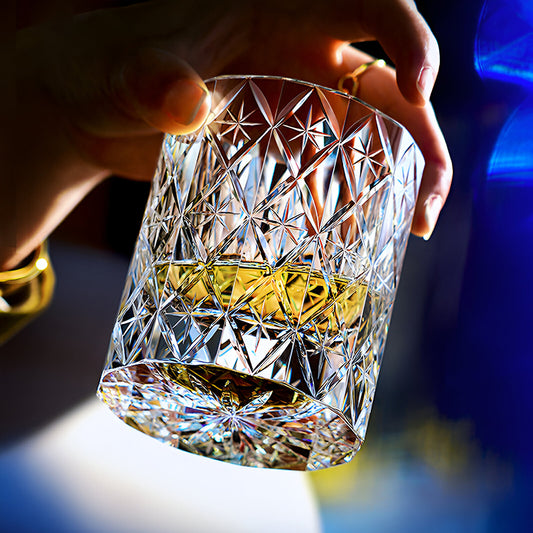
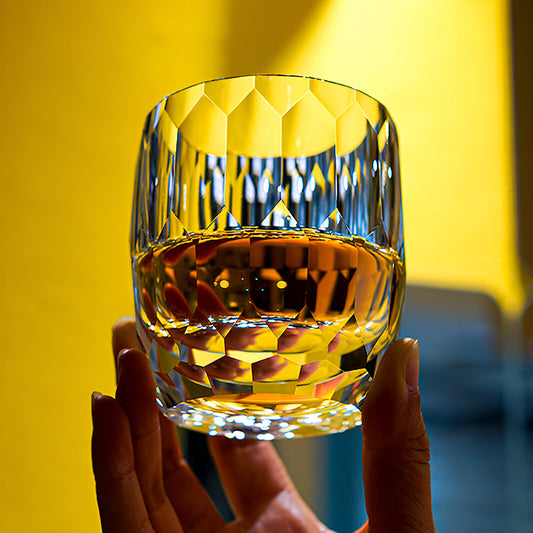
If you want to know how to spot fake edo kiriko quickly, start with the cut lines. Real cut glass has physical depth. When you tilt it under a lamp, the cuts should catch light at different angles. They should not look like flat paint, decals, or shallow surface frosting.
Run a fingertip carefully over the design. Authentic handcrafted glassware usually has crisp ridges and grooves, though the final polish should feel refined rather than rough. A printed pattern may feel almost completely smooth. A molded pattern may feel rounded, soft, or too uniform.
Look at the intersections of the pattern. On a real Edo Kiriko glass, crossed lines often meet with intention. The artisan has to guide the glass against the cutting wheel by hand, so the work may show tiny human variations. These are not flaws; they are signs of handwork. A fake may have overly soft intersections, repeated template marks, or patterns that appear stamped into the glass.
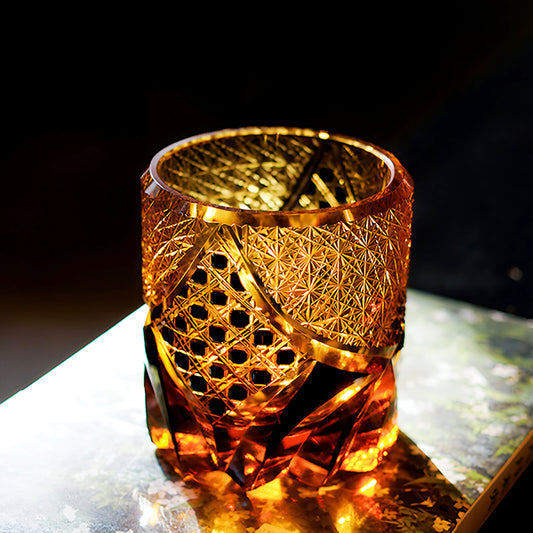
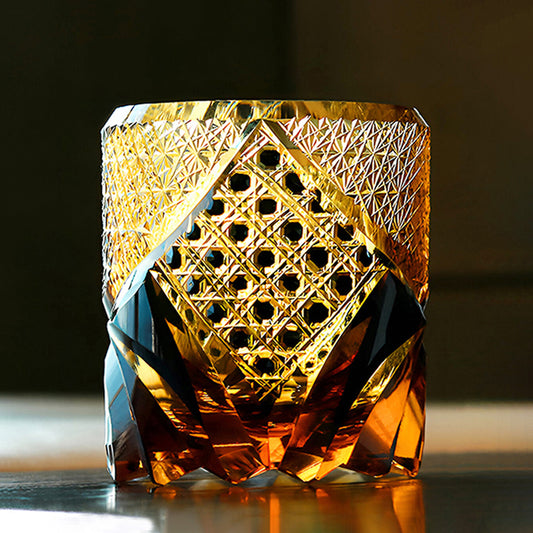
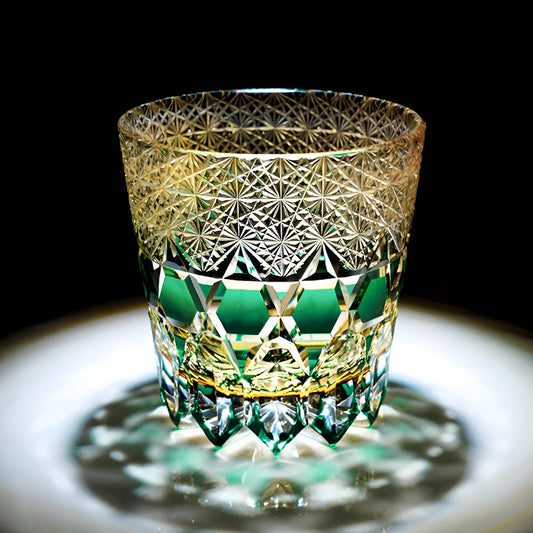
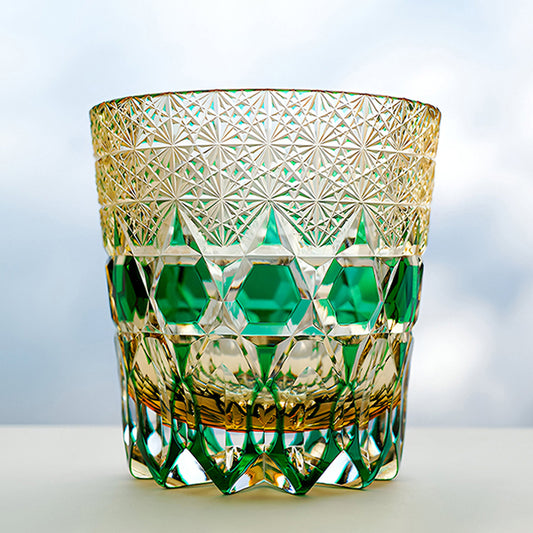
Also inspect the color. Many classic Edo Kiriko pieces are made with colored glass layered over clear glass. The artisan cuts through the colored layer so the clear glass appears in the pattern. If the color looks sprayed on, flakes at the edge, or pools unevenly like paint, be cautious.
Japanese Glass Identification: Which Materials Should Real Edo Kiriko Use?
Japanese glass identification begins with the material. Edo Kiriko can be made from soda-lime glass or crystal glass, depending on the maker and product line. In the US market, many buyers search for Japanese crystal because they want weight, brilliance, and a premium drinking experience. However, crystal alone does not prove authenticity.
A real piece should have clarity, clean finishing, and a satisfying feel. Quality glass does not look cloudy, wavy, or full of random bubbles unless the design intentionally calls for that effect. The rim should be smooth and comfortable. The base should feel stable. When held, the glass should have balance rather than feeling top-heavy or cheap.
With colored Edo Kiriko, look for a clean transition between the colored exterior layer and the clear cut areas. The contrast should appear integrated into the glass, not sitting on top like a coating. Under bright light, authentic work often shows dimensional sparkle because the cut surfaces refract light from multiple directions.
Some sellers use phrases like “Japanese style,” “Edo Kiriko style,” or “inspired by Edo cut glass.” Those phrases are not automatically bad. They can be honest descriptions for decorative glassware. The problem begins when a product is marketed as genuine Edo Kiriko glass without evidence of Japanese craft, origin, or hand-cut process.
Real vs Fake Japanese Glassware: What Are the Common Differences?
The easiest way to evaluate real vs fake japanese glassware is to compare the object, the process, and the seller’s claims. Authentic Edo Kiriko is not only about a pattern. It is about how the pattern was created, where the craft lineage comes from, and whether the materials match the price.
| Feature | Real Edo Kiriko Glass | Common Fake or Imitation |
|---|---|---|
| Pattern | Hand-cut with crisp depth and reflective facets | Printed, etched, molded, or shallowly engraved |
| Touch | Grooves are noticeable but polished | Flat, slippery, overly rounded, or rough |
| Color | Layered color glass cut to reveal clear contrast | Painted, sprayed, decal-like, or inconsistent coating |
| Origin | Linked to Japan, often Tokyo, with maker or studio details | Vague origin, no maker, no workshop information |
| Price | Reflects hand labor, limited production, and quality materials | Suspiciously cheap for a “handmade Japanese crystal” claim |
| Packaging | Often includes a proper box, label, card, or certificate | Generic packaging with little or no documentation |
| Seller language | Clear about handmade, cut, material, and provenance | Uses broad luxury words but avoids specifics |
Price is not the only clue, but it is a useful filter. A labor-intensive traditional Japanese craft requires skill and time. If a listing claims to offer a handmade Edo Kiriko Japanese whiskey glass set at an unusually low price, verify every detail before purchasing.
Edo Kiriko Glass Authenticity: What Process Markers Should You Check?
Edo kiriko glass authenticity is visible in process markers. The classic method involves forming the glass, applying or using a colored layer when relevant, cutting the pattern with rotating wheels, and polishing the cuts until they shine. Each step leaves clues.
First, look for cut depth. Real cutting removes glass. The grooves should not merely sit on the surface. Second, inspect polish quality. Rough cuts may indicate unfinished work, while plastic-like smoothness can suggest molding. Authentic pieces usually strike a refined middle ground: sharp enough to sparkle, polished enough to feel elegant.
Third, study pattern alignment. Edo Kiriko designs are often geometric, which means poor alignment is easy to notice. Slight hand variation is acceptable, especially in complex patterns, but careless mismatches, broken symmetry, or random spacing may indicate low-grade imitation.
Fourth, check the base and rim. Premium handcrafted japanese glassware should have a clean rim with no chips, burrs, or harsh edges. The base should be polished, stable, and consistent with the rest of the object. A beautiful cut pattern on a poorly finished blank is a red flag.
Finally, ask about the maker. Authentic retailers should be able to explain whether a piece is Edo Kiriko, Edo Kiriko style, Japanese made, hand-cut, or machine-assisted. Transparent wording protects the buyer and respects the craft.
How Did the Edo Period Influence Edo Kiriko Designs?
The Edo period, which ran from the early 1600s to the mid-1800s, shaped many of the visual traditions people now associate with Japan. Tokyo was then called Edo, and the city became a major center of urban culture, skilled trades, and refined everyday objects.
Edo Kiriko emerged in this environment of craft specialization. Like lacquerware, metalwork, textiles, and ceramics, glass cutting reflected the Japanese appreciation for precision and seasonal beauty. Patterns were often disciplined and geometric, yet they carried symbolic meaning.
For a US buyer, think of it like the difference between a generic tumbler and a handmade piece of American studio glass. Both may hold whiskey, but one carries a sense of place, history, and human touch. Edo Kiriko glass is valued because it connects a drink in your home bar to a craft tradition from Japan.
What Common Fakes and Misleading Listings Should Buyers Watch For?
Common fakes usually fall into a few categories. The first is printed glass. These pieces may display attractive white or colored patterns, but the design is applied to the surface rather than cut into it. They can be decorative, but they are not authentic Edo Kiriko.
The second is molded imitation. A mold can create raised or recessed patterns that imitate cutting. These pieces often feel softer and less precise than true cut glass. The repeated pattern may look too identical from glass to glass, with no sign of hand finishing.
The third is generic “Japanese style” glass made outside Japan and sold with vague wording. Again, Japanese-inspired design can be beautiful when honestly labeled. But if a seller uses Edo Kiriko terminology without identifying the workshop, country of production, or cutting process, be skeptical.
The fourth is overclaimed crystal. Some listings use “Japanese crystal” as a luxury phrase even when the item is not from Japan or not crystal at all. Ask whether the glass is lead crystal, lead-free crystal, or standard glass. Also ask whether the decoration is hand-cut.
The fifth is souvenir-grade glass marketed as collectible. Souvenir pieces are fine for casual use, but they should not be priced like artisan work. Authenticity depends on evidence, not only appearance.
How Should You Evaluate an Edo Kiriko Whiskey Glass Before Buying?
When buying online, you cannot hold the glass, so photos and seller information matter. Look for close-up images of the cut lines, rim, base, interior, and packaging. A trustworthy product page should not rely on one dramatic lifestyle photo.
For a whiskey glass, also consider function. The best glass should feel comfortable for sipping, have enough weight to feel substantial, and offer a shape that works for neat pours, ice spheres, or classic cocktails. If you are buying unique whiskey glasses for men, authenticity matters, but so does the recipient’s drinking style.
A Japanese whiskey glass set can be an excellent gift because it feels personal without being overly complicated. Two glasses work well for couples, hosts, or close friends. A larger set suits entertainers and home bar owners. If you want a curated starting point, you can Shop our Edo Kiriko collection and compare pattern styles, color options, and gift-ready sets.

What Questions Should You Ask a Seller About Edo Kiriko Glass Authenticity?
Before buying, ask direct questions. A reputable seller should welcome them. The goal is not to interrogate the store; it is to confirm that the product description matches the actual glass.
- Is this glass made in Japan?
- Is it hand-cut, machine-cut, molded, or printed?
- Is the material crystal, lead-free crystal, or soda-lime glass?
- Does it come with a maker card, box, certificate, or workshop information?
- Is it authentic Edo Kiriko or Edo Kiriko style?
- Can you provide close-up photos of the cuts, rim, and base?
- What is the return policy if the item does not match the description?
Clear answers are a good sign. Vague responses like “premium Japan design” or “luxury style crystal” without specifics should make you pause.
How Do You Care for Real Edo Kiriko Glass?
Once you own an authentic Edo Kiriko glass, treat it like a small piece of art that happens to hold your favorite drink. Hand washing is the safest choice. Use mild soap, warm water, and a soft sponge. Avoid abrasive pads that could dull the polished cuts.
Do not place fine handcrafted glassware in a crowded dishwasher, especially pieces with delicate rims or colored layers. Rapid temperature changes and harsh detergents can damage the finish over time. Dry with a lint-free cloth to prevent water spots inside the cut pattern.
For home bar display, keep the glass where it will not knock against other tumblers. Edo Kiriko looks beautiful under cabinet lighting because the cut facets reflect light. That sparkle is part of why collectors and whiskey drinkers love it.
Buyer’s Checklist: Real vs Fake Edo Kiriko at a Glance
- Feel the pattern if possible. It should be cut into the glass, not printed flat.
- Check the color. Layered color should be revealed through cutting, not painted on casually.
- Inspect the rim and base. Quality finishing supports authenticity.
- Look for maker details. Origin, studio, packaging, or certificate can confirm value.
- Compare price to labor. Very low prices rarely match true hand-cut work.
- Read wording carefully. “Style” and “inspired by” are different from authentic Edo Kiriko.
- Buy from transparent retailers. Good sellers explain materials, process, and care.
This checklist is especially useful when shopping for gifts. Premium buyers often want a piece that feels rare, meaningful, and usable. Authentic Edo Kiriko delivers that combination when the seller is honest and the craftsmanship is real.
FAQ: Edo Kiriko Glass Authenticity and Identification
How to spot fake Edo Kiriko when shopping online?
To spot fake Edo Kiriko online, examine close-up photos for real cut depth, crisp intersections, polished grooves, and layered color. Avoid listings that show only lifestyle images or use vague claims without maker, material, or origin details. Ask whether the pattern is hand-cut, molded, printed, or etched.
What are the best japanese glass identification signs for Edo Kiriko?
The best japanese glass identification signs include hand-cut texture, high clarity, clean rim finishing, stable weight, well-aligned geometric patterns, and documentation linking the piece to Japan or a known workshop. For colored pieces, look for cuts that reveal clear glass beneath the colored layer.
What is the difference between real vs fake japanese glassware?
Real Japanese glassware is accurately described, well finished, and supported by transparent information about craft, origin, and materials. Fake or misleading glassware may use printed designs, molded patterns, vague “Japanese style” wording, or luxury terms like crystal without proof.
Does edo kiriko glass authenticity require a certificate?
A certificate helps, but it is not the only proof of edo kiriko glass authenticity. Maker information, proper packaging, retailer reputation, hand-cut process details, and consistent craftsmanship all matter. A certificate is most valuable when it can be connected to a real studio or artisan.
Is all Edo Kiriko glass made from Japanese crystal?
No. Edo Kiriko can be made from different types of quality glass, including crystal and soda-lime glass. Japanese crystal can add brilliance and weight, but the defining feature of Edo Kiriko is the cut-glass craft tradition, not just the material.
Is an Edo Kiriko whiskey glass a good gift for men?
Yes. Edo Kiriko whiskey glasses are excellent gifts for men who enjoy Japanese whiskey, bourbon, cocktails, design, or home bar accessories. They feel more personal than standard barware because they combine function, craftsmanship, and cultural history.
Conclusion: Buy the Craft, Not Just the Pattern
Edo Kiriko glass is worth buying when the craftsmanship, materials, and story all line up. The fastest way to avoid fakes is to look beyond the pattern and ask how it was made. Real pieces show cut depth, polished precision, balanced form, and honest documentation.
For a home bar, a gift, or a personal collection, authentic handcrafted japanese glassware adds meaning to the everyday ritual of pouring a drink. Whether you choose a single statement tumbler or a Japanese whiskey glass set, buy from sellers who explain the craft clearly and respect the tradition behind it.
Ready to compare styles? Browse crystal whiskey glass sets or Shop our Edo Kiriko collection to find a piece that feels as good in the hand as it looks in the light.
Explore Our Collection
Ready to experience the world of Edo Kiriko glass? Browse our curated collection:
Disclaimer: This article is for informational purposes. Products and pricing subject to change.