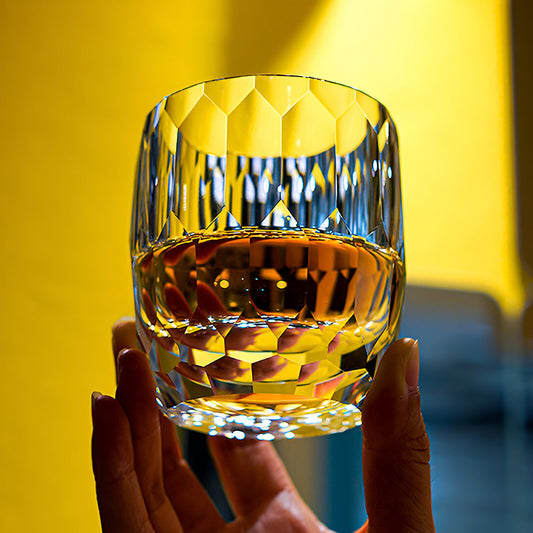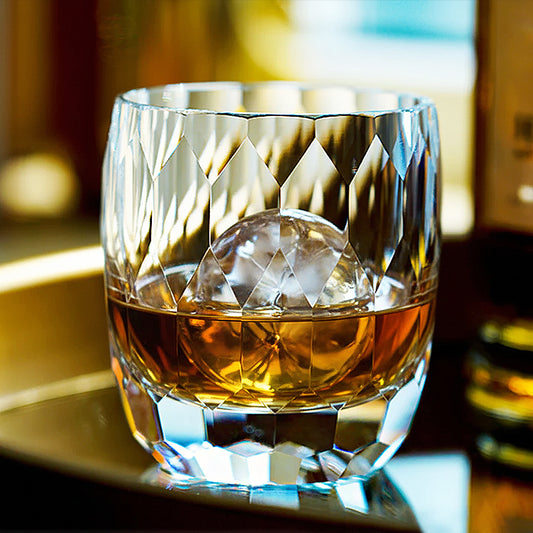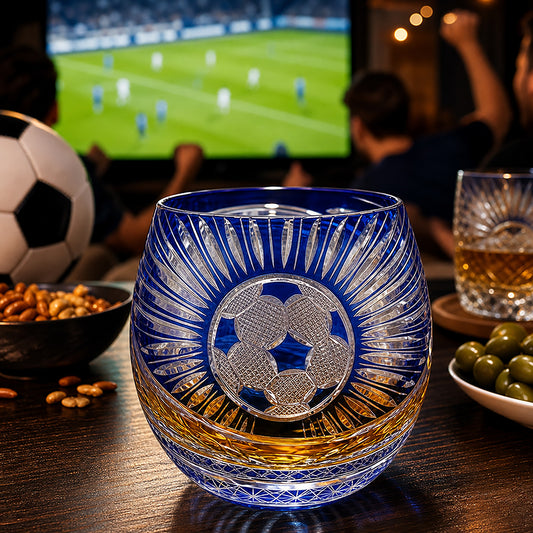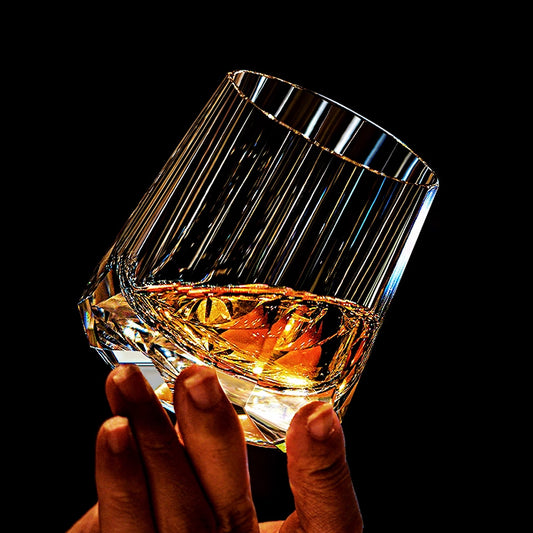
Whiskey Glass Coaster Fit: Measure the Base Before Buying
Check a whiskey glass against your coaster before buying. Learn which base and usable-surface measurements to compare, with two Kingwares listing examples.

To check whether a whiskey glass fits a coaster, compare the glass’s actual base with the coaster’s flat usable area. A product’s listed diameter may describe another part of the glass. For a coaster with a raised edge, also check that the lower glass body clears the edge without resting on it.
By Kingwares Editorial Team · October 7, 2026
This guide is for choosing a new whiskey glass to use with coasters you already own, or checking a coaster before buying it. The Kingwares examples show what current listings tell you and which measurement still needs confirmation. They are not tested glass-and-coaster combinations.
Measure the part of the glass that needs support
Start with an empty, dry glass on a level surface. Look at the bottom edge and identify the footprint that rests on the table. The top opening, widest body and supporting base can be different sizes. A photograph of the rim cannot establish the base measurement.
- Measure across the outside edges of the supporting base through its center. For a base that is not round, record its longest and shortest spans and sketch its outline.
- Keep the ruler beside the glass rather than scraping it across the glass. A straight-on photograph with the ruler in the same plane can help you record the measurement.
- If you cannot identify the supporting footprint clearly, ask the seller for a labeled underside photograph and base measurement.
For a glass you do not own yet, request these measurements for the exact design and selected variant. Do not estimate the base from capacity, weight or a product photograph without a scale.
Measure the coaster’s usable surface, not just its outside size
The whole supporting footprint should sit on the flat area of the coaster. Exclude a raised border, sloping edge or recessed decorative area from that flat space. With a round coaster, measure the clear flat diameter; with a square or rectangular coaster, measure the clear width and depth.
A coaster advertised as 4 inches across may have a smaller flat center. For example, an imaginary coaster with a 102 mm outside diameter and an 86 mm flat center should be assessed using the 86 mm center. A measured 90 mm round glass base would not fit entirely within that center. These are example dimensions, not measurements of Kingwares products or a coaster sold with them.
A numerical match is only a starting check. Leave room for ordinary placement rather than choosing a combination that requires perfect centering every time. There is no tested universal clearance allowance in this guide.
- Flat coaster: check that the full base is supported and does not overhang.
- Raised-edge coaster: check the base and the width of the glass body at the height of the edge. A narrower foot does not prove that the body will clear the border.
- Irregular coaster: compare the complete outlines. A single maximum width can hide a narrow section.
What Star and Butterfly listings tell you about fit
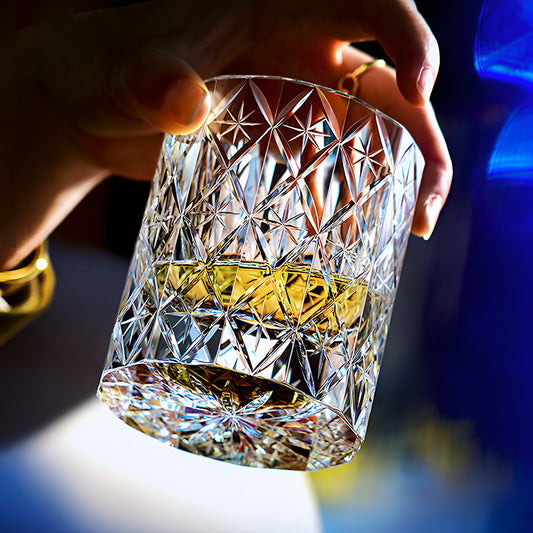
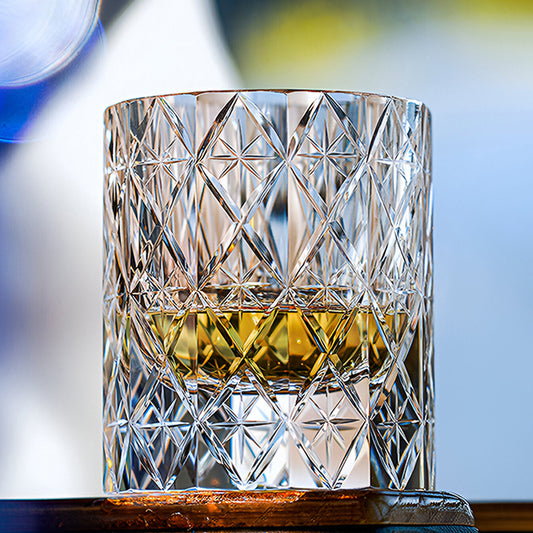
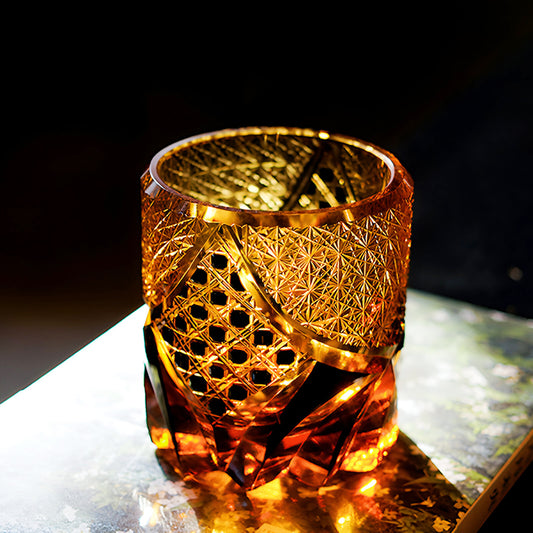
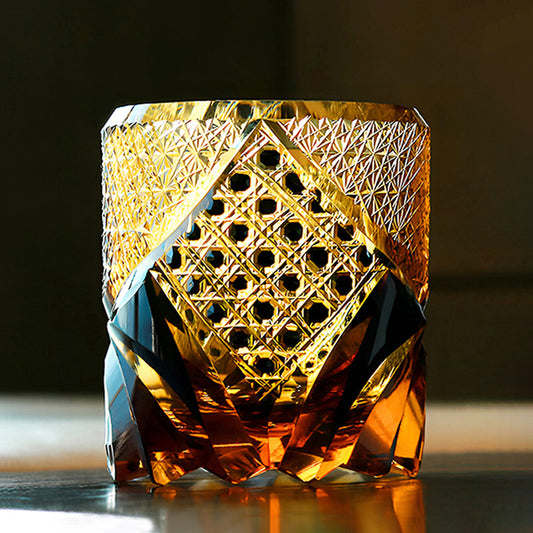
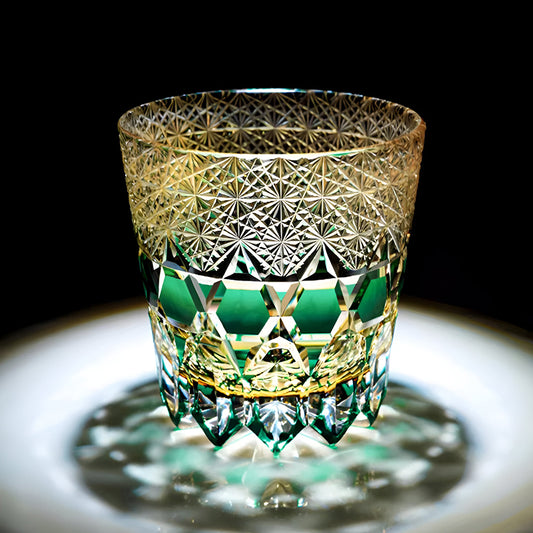
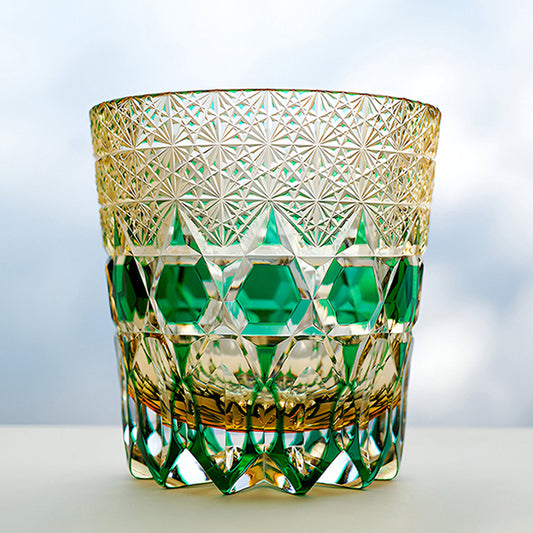
Kingwares Product Info listed the following fields on October 7, 2026. Both pages label a value “Diameter,” without identifying it as the supporting base diameter. Preserve that distinction when comparing either design with a coaster.
| Product | Listed Diameter | Base diameter confirmed? |
|---|---|---|
| Star Whiskey Glasses | 7.2 cm | No; request it for your selected option. |
| Butterfly Whiskey Glasses | 9.2 cm | No; request it for your selected option. |
Neither value proves that Star fits a 7.2 cm coaster or Butterfly fits a 9.2 cm coaster. The listing field and the coaster’s outside size may describe different boundaries. The next useful step is a measurement request, not a larger-looking photograph.

Use a short fit record before ordering
Save one record for each glass-and-coaster combination. This keeps a measurement for one product from being accidentally applied to another.
- Glass name and selected variant: ___
- Supporting base diameter, or outline and spans: ___
- Coaster’s flat usable diameter, or width and depth: ___
- Raised edge present? If yes, edge height and lower-body clearance: ___
- Source of each measurement and date checked: ___
- Physical placement checked, or still awaiting confirmation: ___
Keep all measurements in the same unit. If the glass is already available, place it gently on the coaster while empty and dry. Check from the side for contact with a raised edge, overhang or rocking. A paper outline can screen the footprint before purchase, but cannot check three-dimensional clearance or stability.
If the empty glass rocks, does not sit flat or touches a raised border, choose another combination. A larger outside diameter alone does not resolve an uneven surface or a smaller recessed center.
Send the missing measurement as one clear question
Copy this request to Kingwares support with the product link and selected option:
“I am checking [glass name and variant] against my coaster before ordering. The coaster’s flat usable area is ___, and its raised edge is ___ high. Please confirm the outside diameter or outline of the glass’s supporting base, and its lower-body width at that edge height. Does the listed Diameter refer to the base, rim or another point? A labeled base photograph would help.”
Ask the coaster seller about its usable surface if that measurement is missing. Keep fit and surface protection as separate questions: a dimension check does not establish resistance to moisture, scratches or heat. Follow the instructions for both the coaster and the tabletop.
Once you have the measurements, browse the Kingwares whiskey glass collection for the design you want to use. If you are choosing two different patterns, check each base separately and use the mixed-pattern pair guide for the visual and specification comparison. For shelf space rather than tabletop fit, continue to the cabinet measurement guide.
Editorial method: Kingwares Editorial Team reviewed the two linked product listings and original Kingwares scene photographs on October 7, 2026. Listed Diameter values are dated product-page observations, not independent measurements. The measurement checklist is editorial guidance; no physical coaster-fit, stability or surface-protection test was performed. Confirm current specifications for the exact option before ordering.