TL;DR - Quick Answer
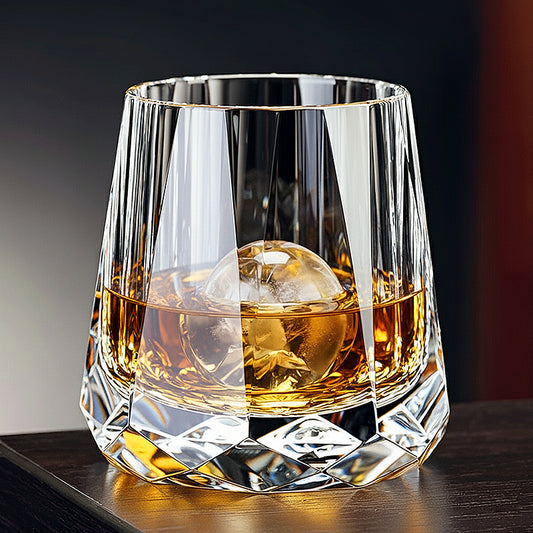
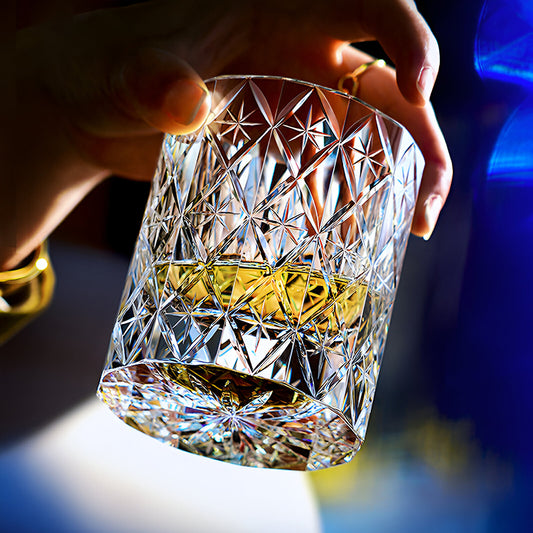
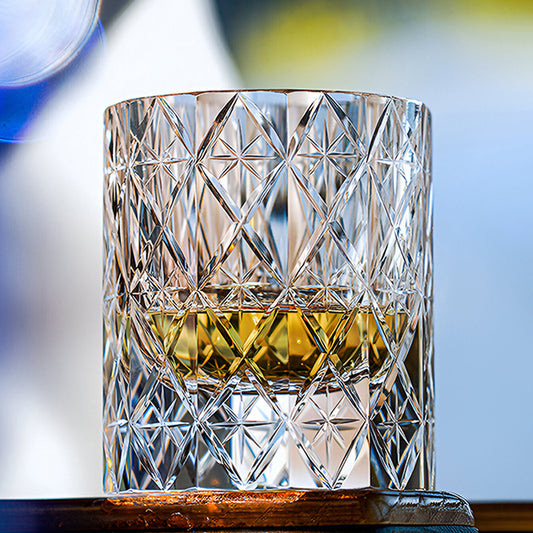
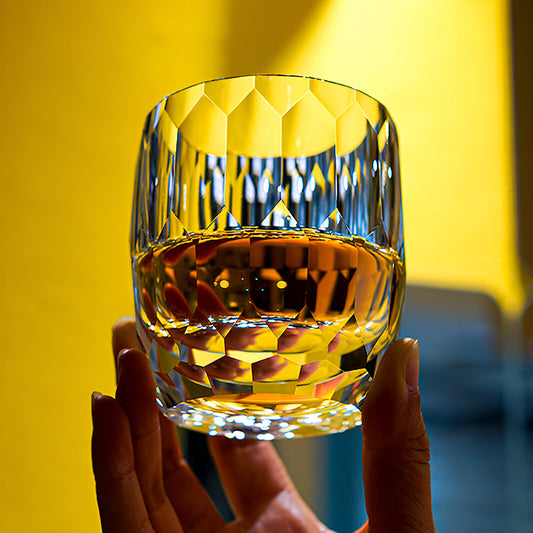
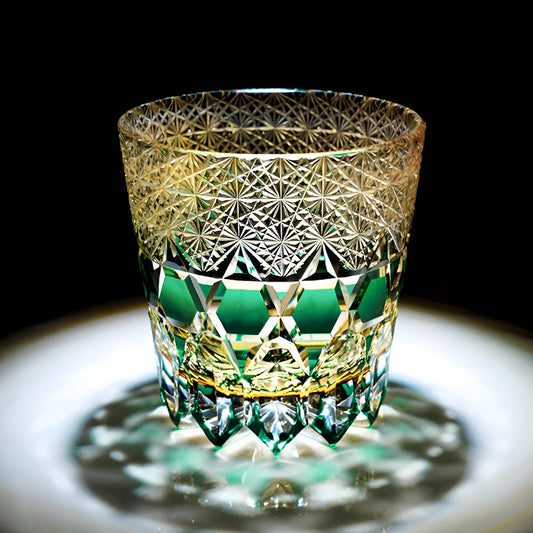
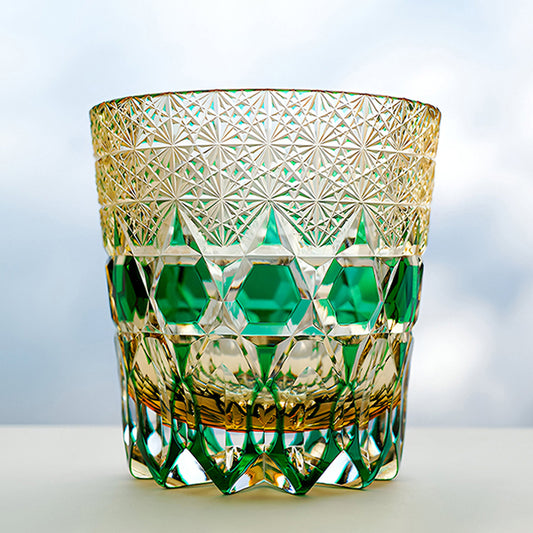
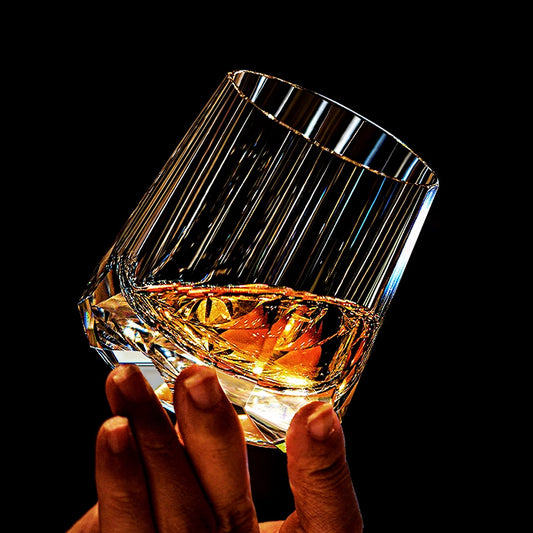
Edo Kiriko is Japan's traditional art of cut glass, dating back to the Edo period (1603-1868). These intricate, hand-cut patterns on crystal glassware transform everyday drinking into a sensory experience. When light passes through Edo Kiriko cuts, it creates the prismatic, star-like shimmer that makes each glass a moving piece of art. At Kingwares, we've preserved this 200-year-old craft, bringing you crystal whiskey glasses that are far more than vessels — they're heirlooms.
---
The Origins of Edo Kiriko: A 200-Year Legacy
In the early 19th century, Japanese glassmakers began adapting Western cut-glass techniques to create something entirely their own. The result was Edo Kiriko — a distinctly Japanese art form that married European craftsmanship with Japanese aesthetics.
The word itself tells the story: "Edo" refers to old Tokyo, while "Kiriko" means "cut glass." But calling it merely "cut glass" doesn't do it justice. True Edo Kiriko requires:
-
Precision cutting — artisans trace patterns freehand before cutting
-
Multiple grinding stages — each facet must be polished to optical clarity
-
Generations of training — master craftsmen spend decades perfecting their technique
The craft was officially designated as a Tokyo Traditional Craft in 1984, ensuring these skills would be passed to future generations.
---
How Edo Kiriko Glasses Are Made: From Blueprint to Masterpiece
Every Kingwares crystal whiskey glass begins with a design blueprint — a meticulously planned pattern that determines the final shape and cut arrangement. Here's how the magic happens:
### Step 1: Design Blueprint
Artisans prepare detailed drawings showing every facet, angle, and depth of the intended cuts. This blueprint serves as the master guide for the entire process.
### Step 2: Glass Selection
High-quality crystal glass is selected for its clarity, weight, and ability to hold intricate cuts. The glass must be flawless before cutting begins.
### Step 3: Cutting
Using specialized cutting wheels, artisans cut the glass surface according to the design. This requires extraordinary precision — one wrong move can ruin hours of work. The cuts create the negative space that will refract light into prismatic patterns.
### Step 4: Grinding
After cutting, rough edges are ground smooth. This stage polishes the cuts to brilliance, ensuring light passes through cleanly.
### Step 5: Fine Polishing
The final polishing stage gives Edo Kiriko its characteristic luminous quality. Each facet is buffed until it catches and holds light like a tiny mirror.
### Step 6: Inspection
Every piece undergoes rigorous quality inspection. Any glass that doesn't meet standards is discarded — never sold.
---
Why Edo Kiriko Transforms Your Whiskey Experience
Most whiskey enthusiasts know that the glass matters. But few understand how dramatically the right glass can change your experience.
When you pour whiskey into an Edo Kiriko crystal glass:
1.
Light refracts through the cuts — creating the dancing, star-like shimmer visible in our customer photos
2.
Aromas concentrate — the wide bowl of a proper whiskey glass directs ethanol properly, revealing hidden notes
3.
The drinking ritual elevates — holding a beautifully crafted glass engages your sense of touch, not just taste
One customer put it perfectly:
"I love the glass design and the way the light brings out the sparkling like stars. The attention to detail in the cutting is remarkable."
---
The Patterns: Understanding Kingwares Signature Designs
Every Edo Kiriko pattern carries meaning. At Kingwares, our master craftsmen have preserved traditional designs while creating new variations:
| Pattern | Symbolism | Best For |
|---------|-----------|----------|
|
Star | Luck, hope | First purchases |
|
Peacock | Beauty, nobility | Special occasions |
|
Dragon & Phoenix | Power couple, harmony | Collector displays |
|
Undead Warrior | Strength, resilience | Bold spirits |
|
Wave | Flow, adaptability | Quiet contemplation |
The Star pattern remains our most beloved — customers consistently describe it as "absolutely beautiful" and "gorgeous."
---
Frequently Asked Questions
### What makes Edo Kiriko different from Western cut crystal?
Edo Kiriko prioritizes intricate, fine-line geometric patterns over the bold, deep cuts typical of Western crystal. The Japanese tradition emphasizes delicate precision over dramatic depth, creating a different kind of light play.
### Are Edo Kiriko glasses dishwasher safe?
We recommend hand washing your Edo Kiriko glasses to preserve the cuts and prevent chips. Use warm water, mild soap, and dry immediately with a lint-free cloth.
### How can I tell if an Edo Kiriko glass is authentic?
True Edo Kiriko should feature:
- Visible facet cuts on close inspection
- A slight weight (heaviness indicates quality crystal)
- Consistent pattern throughout the piece
- A certificate of authenticity from the maker
### Why are Edo Kiriko glasses considered premium?
Each glass requires 6+ hours of hand labor from trained artisans. The craft is physically demanding — artisans work in limited sessions to maintain precision. This scarcity and skill make genuine Edo Kiriko valuable.
### Can I use Edo Kiriko glasses for drinks other than whiskey?
Absolutely. While we design them primarily for whiskey, these versatile glasses enhance any spirit — sake, cognac, even fine wine. Some customers use them for water at formal dinners.
---
Elevate Your Drinking Experience
More than a glass — it's a masterpiece.
When you choose a Kingwares Edo Kiriko crystal whiskey glass, you're not just buying drinkware. You're acquiring a piece of living history, a testament to centuries of Japanese craftsmanship, and a daily reminder that the rituals we perform deserve beautiful tools.
Each cut, each facet, each shimmer of refracted light tells the story of hands that have spent decades perfecting their art.
Shop the Collection
Discover the pattern that speaks to you — and taste the difference that true craftsmanship makes.


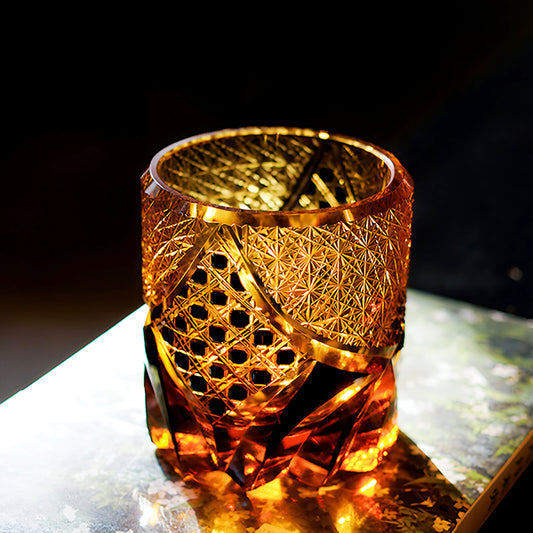 Undead Warrior
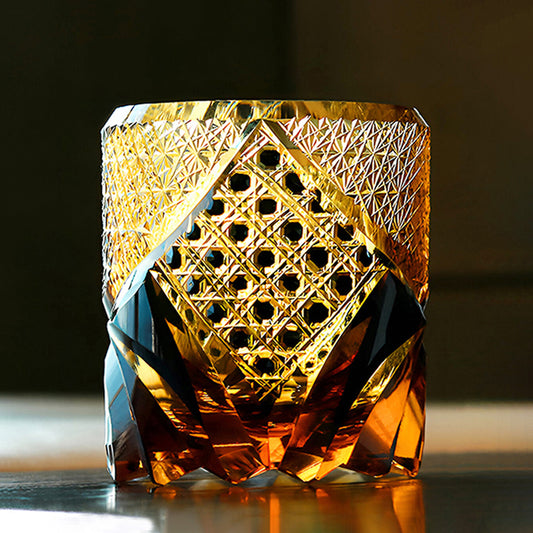
 Zeus's Stone