

I've spent the last 20 years visiting glass ateliers across Tokyo, and I've seen the same heartbreaking scene more times than I can count: a proud collector shows me an Edo Kiriko glass they picked up online, only to discover it's a machine-made imitation. The real stuff is meant to elevate a simple pour of bourbon into a nearly ceremonial experience, but the flood of fakes has left countless enthusiasts holding something that's about as Japanese as a fortune cookie. So, let's cut through the noise. I'm Aiden Kuroda, a Tokyo-based collector and researcher of Japanese cut glass, and in this guide I'll show you exactly how to spot authentic Edo Kiriko glass—from the weight in your hand to the way light dances in the cuts—so you never get burned again.
What Is Edo Kiriko Glass and Why Does It Matter for Whiskey Lovers?
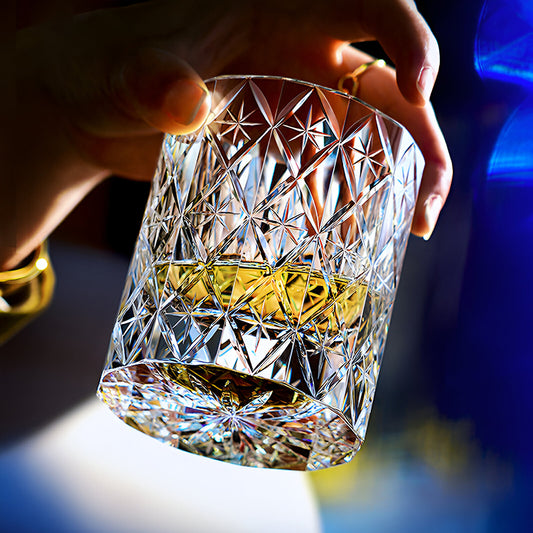
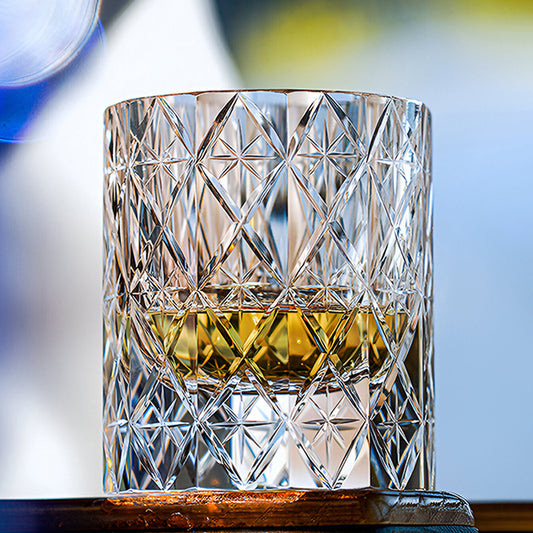
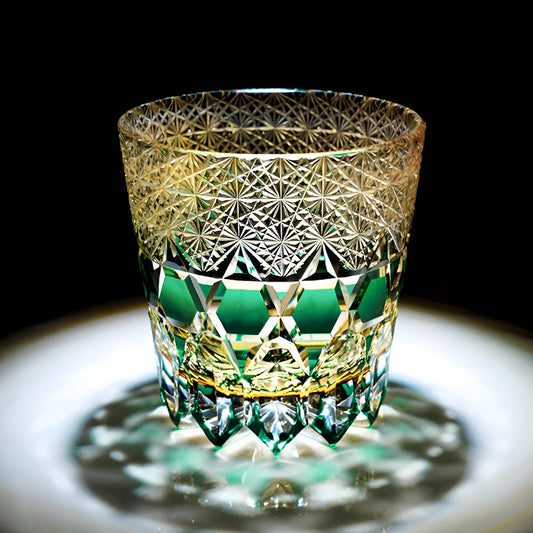
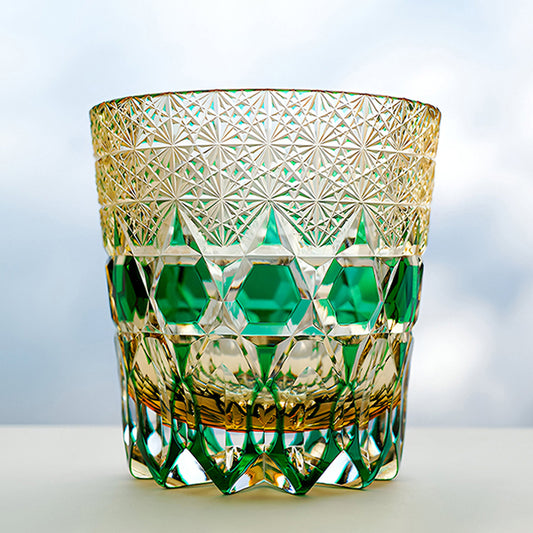
Edo Kiriko is a traditional Japanese glass-cutting craft that dates back to the late Edo period (around the 1830s) in Tokyo. True Edo Kiriko glass is hand-sculpted by a Tokyo craftsman using a spinning wheel and a fleet of grinding stones—no lasers, no acid etching. The patterns (like the iconic “nanako” or “shippo”) are carved into crystal glass one tiny facet at a time, creating a prismatic texture that turns a simple bourbon glass into a light show. In Japan, these glasses aren't just barware; they're heirlooms. When you pour a single malt into an Edo Kiriko whiskey glass, the amber liquid seems to glow from within, the cuts refracting the whiskey’s color like a jewel. But here’s the problem: because Edo Kiriko glass commands premium prices and has become a go-to choice for unique whiskey glasses for men, counterfeiters have flooded the market with cheap knockoffs that shatter the illusion—and possibly your drink.
How to Spot Fake Edo Kiriko: 5 Telltale Signs of Authenticity
When I talk about edo kiriko glass authenticity with fellow collectors, I always go back to five physical markers that no amount of marketing can fake. Use these as your checklist every time you’re inspecting a potential purchase, whether it’s a single glass or an entire edo kiriko glass set.
1. The Cut Clarity and Sharpness
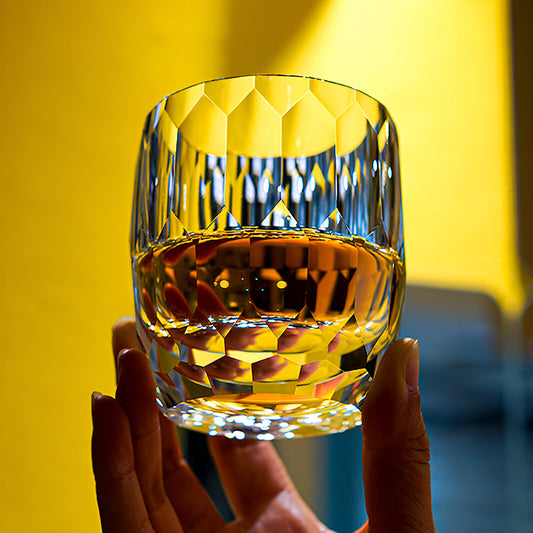
Real Edo Kiriko has edges sharp enough to feel when you run a fingertip lightly over them—not so much that they cut skin, but a crisp, crystalline bite. Fakes are usually acid-polished or machine-ground onto soda-lime glass, leaving rounded, mushy edges that feel soft. Hold the glass up to a light: authentic cuts will shimmer like a kaleidoscope; fakes look smeared.
2. The Base Maker’s Mark
Every true Edo Kiriko glass from a recognized atelier bears a hand-engraved or diamond-point signature on the bottom. Look for the kanji “江戸切子” or the maker’s specific workshop mark. Mass-produced imitations often have a stamped or acid-etched mark that’s too perfect, or none at all, because the factory isn’t authorized to claim the heritage.
3. The Weight and Sound
Authentic Edo Kiriko is cut from lead crystal (frequently 24% PbO) or lead-free crystal, both denser than common glass. When you tap it softly with a fingernail, it rings with a long, bell-like resonance. A fake, made from cheap soda-lime, feels lighter and gives a dull “clink.” That ring is your first audio clue to how to spot fake edo kiriko.
4. Color Density and Clarity
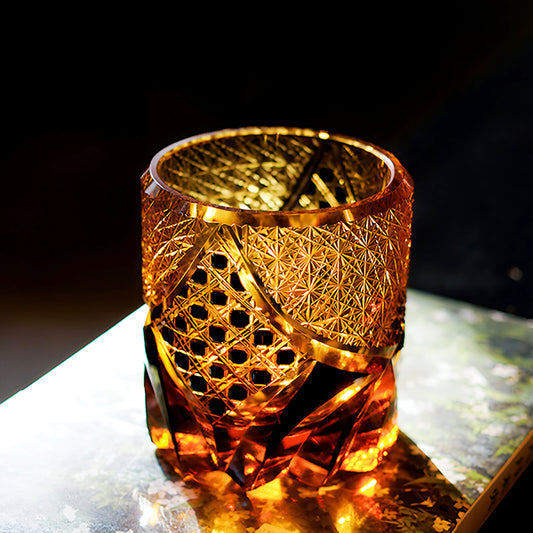
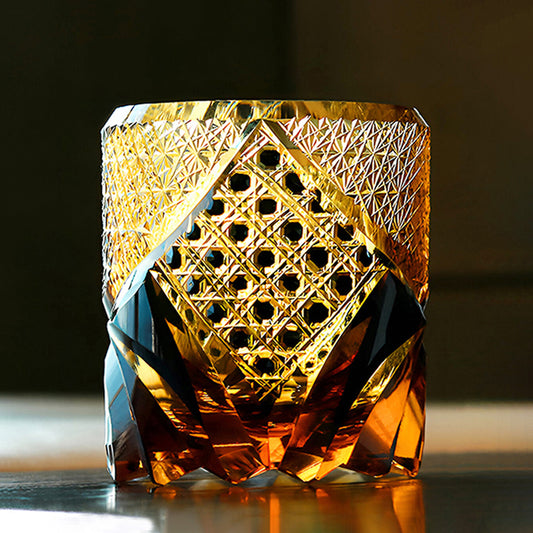
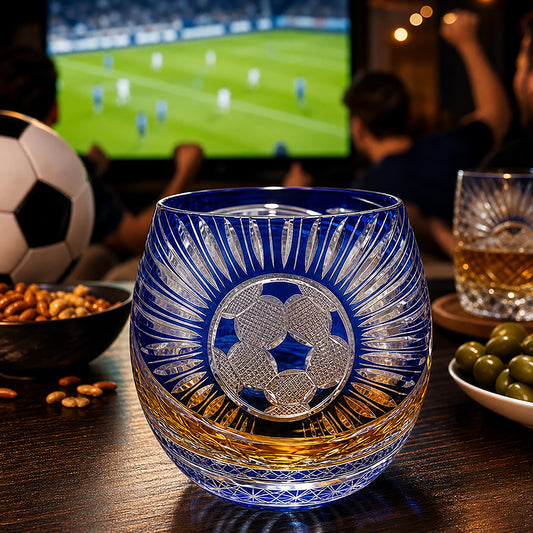
Many Edo Kiriko glasses feature deep indigo, ruby, or emerald overlays. The authentic ones use thin layers of colored crystal fused to the clear body, then cut through to reveal the clear glass beneath. Fakes often spray a color coating on the surface, so the color sits on top and can be scratched off. Genuine Edo Kiriko’s color is under the surface, not on top of it.
5. The Temperature of the Glass When Cutting
This one’s a bit insider, but it’s crucial. Traditional Edo Kiriko craftsmen work the glass while it’s at room temperature—no heat, no softening. This cold-cutting method creates the signature crisp facets. Fakes are often pressed or molded while the glass is hot, which leaves no sharp cut marks at all. If the pattern looks stamped rather than carved, walk away.
Real vs Fake Japanese Glassware: Materials, Craftsmanship, and the Soul of the Piece
I’ve had the privilege of visiting several Tokyo ateliers where the air is thick with the grind of whetstones and the smell of cutting oil. The difference between real vs fake japanese glassware comes down to a fundamental divergence in materials and labor. Let’s break it down.
| Feature | Authentic Edo Kiriko Glass | Fake / Imitation Glassware |
|---|---|---|
| Material | Lead crystal or high‑clarity lead‑free crystal (dense, refractive) | Soda‑lime glass (cheap, lightweight, low refraction) |
| Cutting Method | Hand‑cut on a spinning wheel using stone and wood abrasives (cold process) | Machine‑pressed, acid‑etched, or laser‑cut |
| Edge Definition | Crisp, sharp facets; you can feel the individual cuts | Soft, melted‑looking edges; no tactile precision |
| Pattern Depth | Multi‑layered, often with a contrast between frosted and clear glass | Shallow, uniform, sometimes just surface frosting |
| Production Time | One glass can take 4–8 hours by a single Tokyo craftsman | Mass‑produced in minutes, often in factories outside Japan |
| Heirloom Potential | Grows more beautiful with use; passed down through generations | Scratches easily; no long‑term value |
When you invest in an Edo Kiriko whiskey glass, you’re paying for that 8‑hour labor of love. A master tokyo craftsman will carve each petal of a chrysanthemum motif with a sequence of different grits, starting with a coarse shaping wheel and finishing with a wooden polisher to give the frosted finish. A fake simply can’t replicate that depth.
Is It Edo Kiriko or Mass‑Produced? Japanese Glass Identification Tips for Buyers
Japanese glass identification isn’t something you pick up overnight, but a few field‑tested strategies will save you from costly mistakes. First, always check the seller’s packaging. Authentic Edo Kiriko glasses almost always come in a wooden paulownia box (kiri‑bako) with the maker’s seal. This box itself is a sign of respect for the craft. If your glass arrives in bubble wrap inside a generic carton, that’s a red flag.
Second, ask about the region. True Edo Kiriko is produced exclusively in Tokyo’s Edogawa, Sumida, and Koto wards. If the seller can’t tell you which workshop it came from, you’re probably looking at a generic “Japanese cut glass” item that might have been made in a different country entirely.
Third, use the “water test.” Fill the glass with water and look through it. The hand‑cut facets should bend the light in a chaotic but beautiful way, creating mini rainbows. A machine‑cut glass will show a regular, repetitive pattern of refraction—almost too perfect. Authentic Edo Kiriko has a subtle, human irregularity that collectors prize.
Finally, if you’re shopping online, I always tell people to Shop our Edo Kiriko collection from a source that provides a certificate of authenticity from the Tokyo Cut Glass Association. That little paper slip is worth more than any marketing copy.
Why Authentic Edo Kiriko Makes the Perfect Bourbon Glass Gift for Men
I can’t count how many times I’ve seen a man’s eyes light up when he unwraps an Edo Kiriko whiskey glass. There’s something deeply masculine and refined about holding a heavy, perfectly cut crystal tumbler while the ice softly clinks against the glass. It transforms a daily ritual—pouring a few fingers of bourbon after work—into an act of quiet luxury. If you’re hunting for unique whiskey glasses for men, you want something that tells a story, something that feels substantial in the hand and looks like nothing else on the shelf.
An Edo Kiriko whiskey glass does exactly that. The traditional patterns—like the interlocking circles of shippo or the tightly packed nanako—add texture that not only looks stunning but also provides a better grip. And because these are crystal, they enhance the aromatics of the whiskey, much like a well‑designed nosing glass. Pair two glasses as an edo kiriko glass set, and you’ve just gifted not merely barware, but a conversation piece rooted in centuries of traditional japanese craft. I’ve seen groomsmen, fathers, and business partners all react the same way: they treat the glass with a reverence you’d never see with a standard decanter set.
Who Should Buy an Edo Kiriko Glass Set?
If you’re someone who believes that the vessel matters as much as the spirit, you’re the ideal owner. This is for the collector who already owns a single malt and knows the difference between a Glencairn and a snifter, but wants something that bridges Japanese artistry with everyday usability. It’s also for the person looking to gift something genuinely memorable—an edo kiriko glass set beats any monogrammed rocks glass by a mile. Even beginners will appreciate the ritual: the first time you pour an amber liquid into these glasses and watch the light fracture into a thousand tiny rainbows, you’ll understand why japanese barware has such a cult following.
I also recommend it for the man who has everything. You can’t buy this experience at a department store; the authenticity alone makes it a standout. And if you’re a bourbon enthusiast looking to elevate your home bar, a pair of authentic Edo Kiriko tumblers replaces generic glassware with a piece of japanese cut glass history. To start your journey, Explore luxury whiskey glasses that feature genuine Edo Kiriko and experience the difference firsthand.
Frequently Asked Questions About Edo Kiriko Glass Authenticity
What is Edo Kiriko glass?
Edo Kiriko is a traditional Japanese glass‑cutting technique that originated in Tokyo during the 19th century. Artisans use a spinning wheel to hand‑carve intricate geometric patterns into crystal glass, creating a distinctive faceted texture that refracts light beautifully. It’s recognized as a Tokyo Intangible Cultural Heritage craft.
How can I tell if Edo Kiriko glass is real?
Check for a hand‑engraved maker’s mark on the base, feel for sharp, crisp facets, and listen for a bell‑like ring when you tap the glass. Real Edo Kiriko is heavy crystal, and the cuts are cold‑carved—never acid‑etched or molded. A certificate from the Tokyo Cut Glass Association is the strongest proof.
Are there fake Edo Kiriko glasses on the market?
Yes, unfortunately the market is flooded with imitations. Many are mass‑produced in China or other regions using soda‑lime glass and laser engraving. These fakes often lack the sharpness, weight, and maker’s mark of genuine Edo Kiriko, and they rarely come in the traditional wooden box.
What is the difference between Edo Kiriko and regular cut glass?
Regular cut glass can be machine‑made from any clear glass, with patterns that are uniform and shallow. Authentic Edo Kiriko is exclusively handmade in Tokyo, uses high‑density crystal, and features deep, multi‑layered cuts with a distinct frosted‑versus‑clear contrast. The craft also follows centuries‑old patterns and techniques specific to Japanese aesthetics.
Why is Edo Kiriko glass so expensive?
Each glass requires hours of painstaking hand‑cutting by a master craftsman who has trained for decades. The raw crystal material is costly, and the failure rate is high. You’re paying for the skill, time, and heritage of a dying art form, not just a drinking vessel.
Does Edo Kiriko glass make a good gift for whiskey drinkers?
Absolutely. An Edo Kiriko whiskey glass is one of the most appreciated gifts for men who enjoy spirits, because it combines function, beauty, and cultural depth. It elevates the daily dram into a sensory experience and stands out as a truly unique present.
The next time you’re holding a glass and wondering if it’s the real deal, trust your senses—the weight, the sound, the bite of the cuts. Authentic Edo Kiriko glass isn’t just something you own; it’s something you experience. And once you’ve sipped from a true piece of this traditional japanese craft, the fakes simply won’t feel the same. Whether you’re starting your own collection or giving a gift that speaks louder than words, make sure that the glass you pour into carries the soul of a Tokyo craftsman’s hands. It’s a difference you can taste even before the whiskey touches your lips.
Explore Our Collection
Ready to experience the world of Edo Kiriko glass? Browse our curated collection:
Disclaimer: This article is for informational purposes. Products and pricing subject to change.