
Edo Kiriko Glass: How to Identify Genuine Japanese Crystal Barware
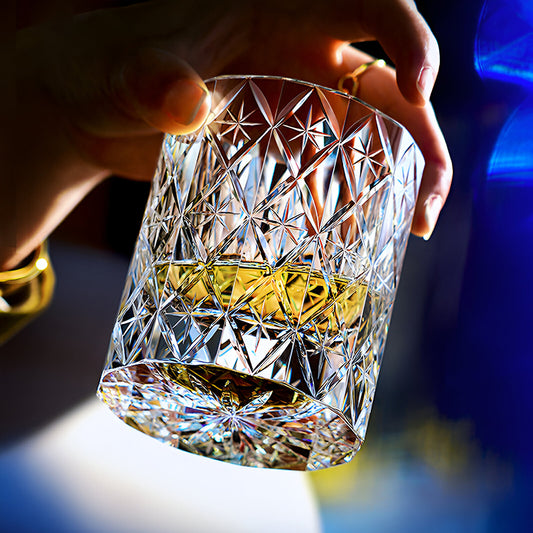
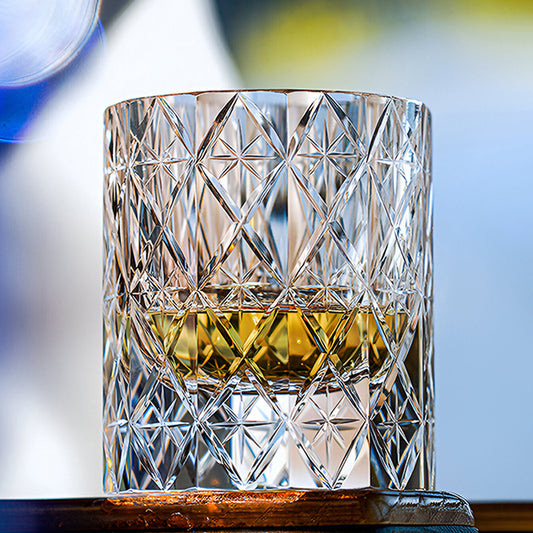
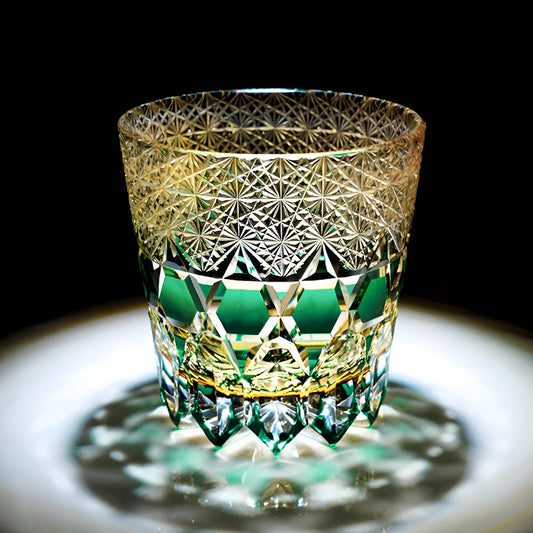
I remember the first time I poured a dram of Nikka into an authentic Edo Kiriko glass. The way the light fractured through the intricate cuts, the balanced weight in my hand, and the delicate ring when I toasted a friend—it was unlike any Japanese whiskey glass I had ever used. Edo Kiriko glass is a traditional Japanese craft born from the edo period, transforming everyday crystal into functional art for your home bar. But with its rising popularity, the market has flooded with imitations. Knowing edo kiriko glass authenticity isn't just for collectors—it's for anyone who wants a genuine piece of Tokyo history in their glass cabinet.
What Is Edo Kiriko Glass and Why Does Authenticity Matter?
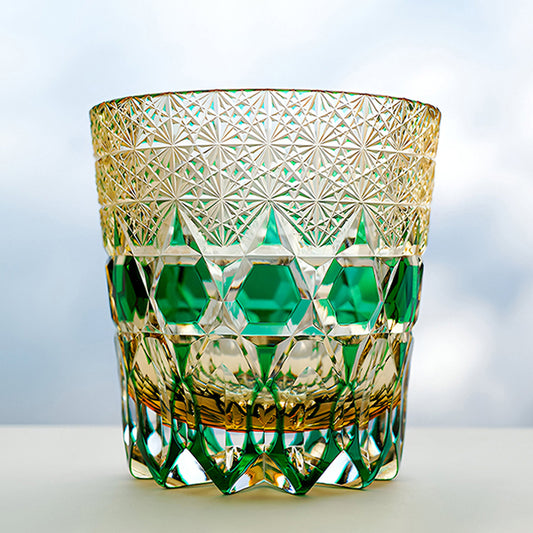
Edo Kiriko—literally “Edo cut glass”—originated in 1834 when a craftsman named Kyubei Kagaya started carving patterns into blown glass in the city we now call Tokyo. This glass cutting technique uses specialized grinding wheels and diamond tools to etch layered colors and geometric patterns by hand. Authentic Edo Kiriko is designated a Traditional Craft of Japan. When you buy a real piece, you're not just getting a whiskey tumbler; you're holding a slice of the edo period revival, crafted in small workshops by artisans who often train for decades.
The problem? Cheap machine-pressed lookalikes mimic these designs without the soul. Learning how to spot fake edo kiriko protects your investment and ensures that the crystal whiskey glasses on your shelf carry the true spirit of Japanese barware. For me, it's about respect. If I'm going to serve a 12-year Yamazaki, it deserves a glass with equal heritage.
How to Spot Fake Edo Kiriko: Key Markers of Genuine Craftsmanship
After handling countless glasses in Tokyo workshops and seeing both museum pieces and cheap imports, I've developed a quick checklist. Here's what separates real Edo Kiriko from the pretenders.
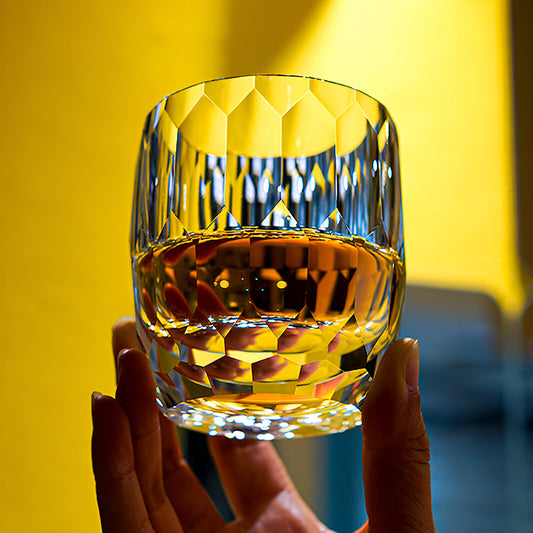
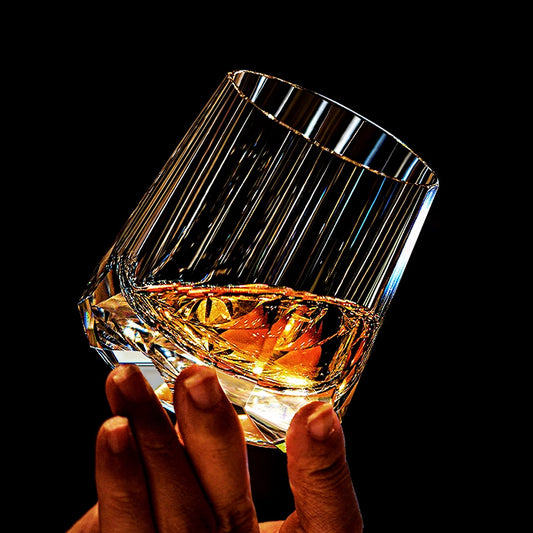
- Cutting Precision: Authentic Edo Kiriko cuts are razor-sharp and uniform. Run your fingertip (gently!) along the rim. You'll feel crisp edges, never rough or mushy. Fakes often have soft, rounded grooves because they are molded, not cut by hand.
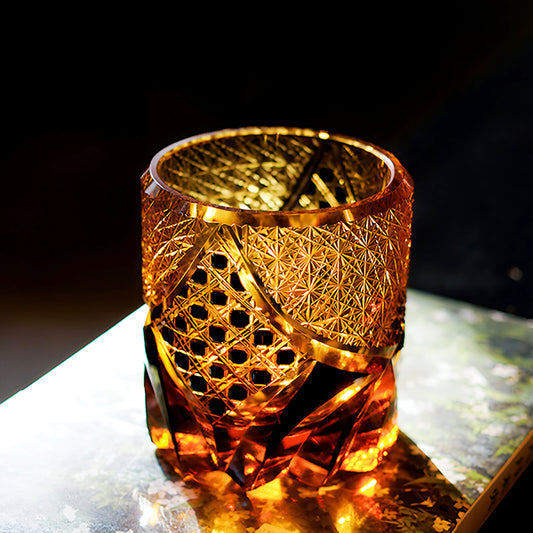
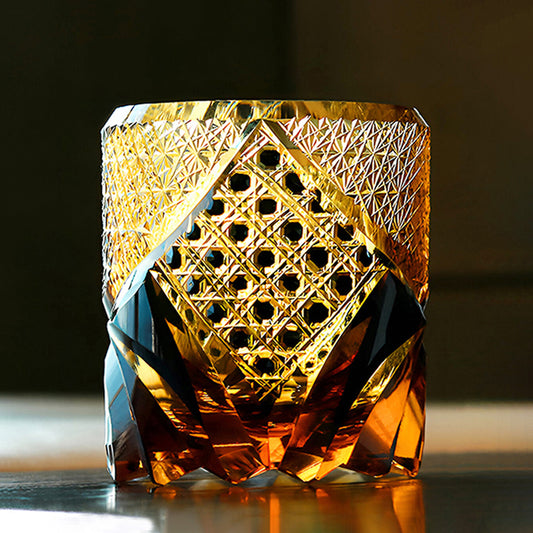
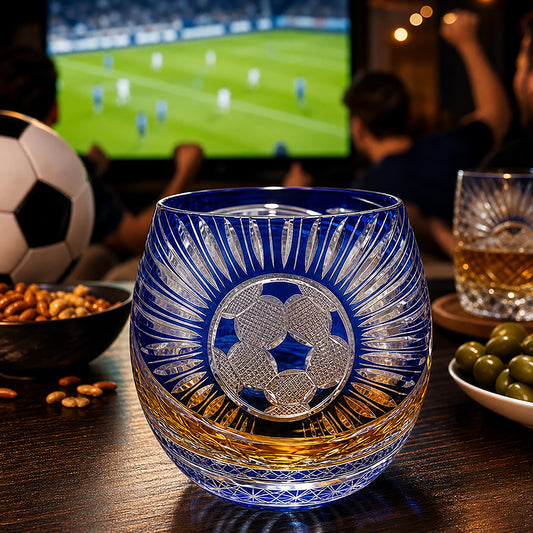
- Layered Color, Not Painted: Genuine colored Edo Kiriko is made by overlaying colored crystal over clear glass and then cutting through the top layer to reveal the clear base. In fakes, the color is often painted or dipped, so it can scratch off. Look at the cut edges: real glass will show a distinct layer; fake ones will look like surface coating.
- The “Ring” Test: High-quality Japanese crystal rings like a bell when tapped. A fake, often made of soda-lime glass, produces a dull thud. I always lightly flick the rim with my fingernail—that clear, sustained note is music to my ears.
- Bottom Markings: Many authentic workshops sign their pieces with a subtle etched maker's mark or a small sticker. Not every piece has a signature, but mass-produced fakes rarely bother. If you see a laser-printed logo that looks too perfect, be suspicious.
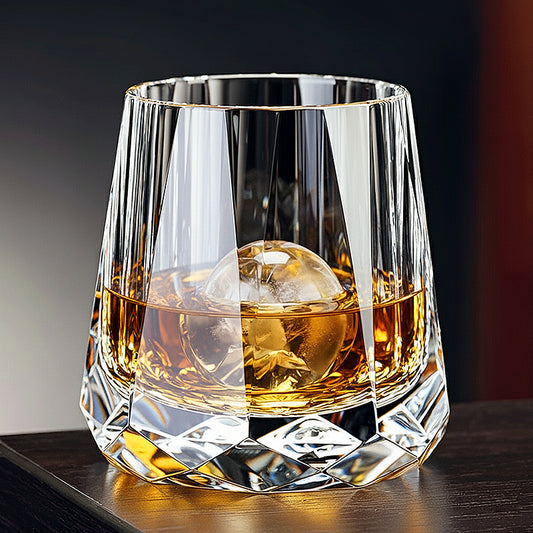
- Weight and Balance: Real Edo Kiriko feels surprisingly light but perfectly balanced. It should never feel clunky. The base is usually thicker for stability, but the walls are thin and elegant.
Real vs Fake Japanese Glassware: A Telltale Comparison
I put together a quick-reference table to help you with japanese glass identification—whether you're shopping online or at a market.
| Feature | Authentic Edo Kiriko | Common Fake |
|---|---|---|
| Material | Lead crystal or high-grade soda glass from Japan | Cheap soda-lime, often Chinese or Southeast Asian production |
| Cutting Method | Hand-cut using rotating wheels; patterns have slight, natural variations | Machine-pressed or mold-blown; patterns are too perfect, no tool marks |
| Clarity | Exceptional brilliance, even in clear styles | Often cloudiness or tiny bubbles, especially in thick areas |
| Sound | Sustained, high-pitched ring | Short, dull thud |
| Price Range | $80–$500+ depending on artisan and complexity | $10–$40 |
| Place of Origin | Tokyo (Sumida or Edogawa wards), Japan | Typically unlabeled or labeled “Japan style” |
When I'm uncertain, I look for the workshop's certificate. Legitimate shops in Tokyo provide a small paper or card with the artisan's name and technique. For online purchases, I always Shop our Edo Kiriko collection where direct partnerships with Japanese craftsmen guarantee authenticity.
What Materials Define Authentic Edo Kiriko?
Understanding the glass itself is central to edo kiriko glass authenticity. Traditional workshops primarily use two types of glass: japanese crystal (lead crystal with 24% or higher PbO) and high-clarity soda glass. Lead crystal gives the material its weightier feel and signature sparkle. Some modern artisans also use eco-friendly lead-free crystal, but the cutting quality remains the same.
Cheap counterfeits often skip the crystal entirely, using low-grade glass that's prone to chipping. A quick trick I use: breathe on the glass. Real crystal stays hazy a second longer because of its thermal density. Fake glass clears instantly. Also, hold it against white paper; authentic Edo Kiriko will look brilliantly white with no grayish tint.
Japanese Glass Identification: The Telltale Signs from Tokyo Craftsmen
When I visit Tokyo's old downtown, I'll peek into workshops and watch masters at work. They taught me that true Edo Kiriko patterns have names—nijyu-hishi (double diamond), kiku-tsunagi (linked chrysanthemum), and the classic yarai (bamboo fence). These designs are not random stickers; they are cut into the glass in a rhythm that only human hands can achieve. A common fake tactic is to etch these patterns with acid or laser, creating a frosty surface that lacks the deep, sharp facets of the real thing.
For deeper how to spot fake edo kiriko clues, I look at the rim. In authentic stemware or tumblers, the rim is fire-polished to a smooth, beaded edge. Fakes often have a rough seam or uneven thickness, remnants of a two-part mold. Also, check the bottom: a genuine hand-cut piece may have a small punt (a slight indent) where the cutter centered the piece. Machine copies rarely replicate this.
Why Authentic Edo Kiriko Elevates Your Home Bar
There's a quiet luxury that unique whiskey glasses for men bring to a home bar—and I’m not talking about showing off. When I pour an old fashioned into a Discover Japanese whiskey glasses, the experience changes. The heavy base keeps my drink chilled longer; the intricate cuts break the spirit's surface, releasing aromas; and the tactile feel grounds the ritual. Edo Kiriko transforms a simple nightcap into a moment of mindfulness.
I've seen men gift these to groomsmen, fathers, and recently promoted colleagues. They’re conversation pieces that say, “I chose this with intention.” And because of their edo kiriko glass authenticity, they'll remain heirlooms, not junk-drawer clutter.
Who Should Buy Genuine Edo Kiriko Whiskey Glasses?
You don't need to be a whiskey snob. If you appreciate traditional japanese craft, love design history, or want a meaningful, handcrafted gift, these glasses deserve your bar cart. They work beautifully for bourbon, scotch, or even iced matcha lattes (yes, I’ve tried it). The key is to buy from reputable sources that guarantee the piece’s origin. Once you hold the real thing, you’ll never confuse it with a knockoff again.
Frequently Asked Questions About Edo Kiriko Glass
Real questions I get from friends and customers—answered here.
How can I tell if my Edo Kiriko glass is real?
Start with the cut. Hand-cut facets are crisp and slightly varied; machine copies look too uniform. Check for a layered color edge, not surface paint. A ringing sound when tapped is a dead giveaway of quality crystal. If you ever doubt, reach out to the seller for workshop information. Genuine artisans are proud to stake their name on each piece.
What is Edo Kiriko glass made of?
Most commonly, it's Japanese lead crystal or high-grade soda glass. The crystal's lead content gives it extra sparkle and heft. In colored styles, the vivid hue is part of the glass itself—not a coating—achieved by layering colored crystal over clear crystal before cutting. That's what makes those facets pop.
Why are some Edo Kiriko glasses so expensive?
Training alone can last a decade. Each pattern requires up to a dozen different cutting wheels. A single tumbler may take an artisan a full day. When you compare that to a factory churning out 500 an hour, the price difference makes sense. I see it as buying a painting rather than a poster.
Can I find authentic Edo Kiriko outside Japan?
Yes, but be cautious. A reputable US-based shop will directly partner with Tokyo studios and clearly state that the product is hand-cut, not just “inspired.” I’ve personally selected every piece in our Edo Kiriko collection to ensure you get the real deal, including the artisan's story.
What makes a whiskey glass ‘Edo Kiriko style’?
That phrase is a red flag. It often signals a mass-produced item that copies the look but not the craft. Authentic Edo Kiriko is defined by origin (Tokyo) and technique (hand-cut by a trained artisan). If a listing doesn't name a workshop or say “hand-cut in Japan,” assume it's a fake.
How should I care for Edo Kiriko glasses?
Treat them with the same respect you'd give a handmade ceramic. Hand wash with mild detergent, avoid dishwashers, and dry immediately with a soft cloth. I keep mine on a dedicated shelf so they don't clink against other glassware. They're durable, but love deepens their lifespan.
The Bottom Line on Edo Kiriko Glass Authenticity
I've seen too many friends disappointed by counterfeits that looked pretty online but felt cheap in person. Genuine Edo Kiriko is an experience—a marriage of the edo period’s artistic legacy and modern bar culture. Whether you're drawn by japanese glass identification, gift ideas, or your own bar upgrade, the key is knowledge. Now you have it. Trust your senses: clarity, cut, ring, and craftsmanship never lie.
Ready to elevate your pours? Explore our hand-picked selection of authentic crystal whiskey glasses and discover the true difference that Edo Kiriko glass makes. Your home bar—and your guests—will thank you.
Explore Our Collection
Ready to experience the world of Edo Kiriko glass? Browse our curated collection:
Disclaimer: This article is for informational purposes. Products and pricing subject to change.