

Key Takeaways
- Edo Kiriko is a hand-cut crystal glassware craft from Tokyo, born in the late Edo period and refined into a daily luxury art.
- Each piece transforms an ordinary drink into a sensory ritual, promoting relaxation, mindfulness, and home wellness.
- Compared to Western crystal, Edo Kiriko offers more intricate, nature-inspired patterns and a lighter, lead-free composition ideal for everyday use.
- You can enjoy authentic Edo Kiriko in the US by looking for the “Edo Kiriko” certification mark and knowing what to look for.
If you’re sipping water from a jewel-like glass that scatters light across your kitchen counter, you’re not using just any glass—you’re practicing a 200-year-old Tokyo art form. Edo Kiriko glass turns hydration, happy hour, or a calming tea ritual into a moment of luxury that rivals the finest Japanese ceremonies, all from the comfort of your own home.
What Is Edo Kiriko Glass?
Edo Kiriko (江戸切子) is Japan’s most celebrated cut-glass craft, originating in 1834 in what is now central Tokyo. During the late Edo period, a glass artisan named Kagaya Kyubei began engraving patterns onto transparent glass using techniques influenced by European cut crystal. Over nearly two centuries, Edo Kiriko evolved into a uniquely Japanese art form—think of it as the Zen cousin of a Waterford decanter, where every delicate cut is made by hand, not by machine.
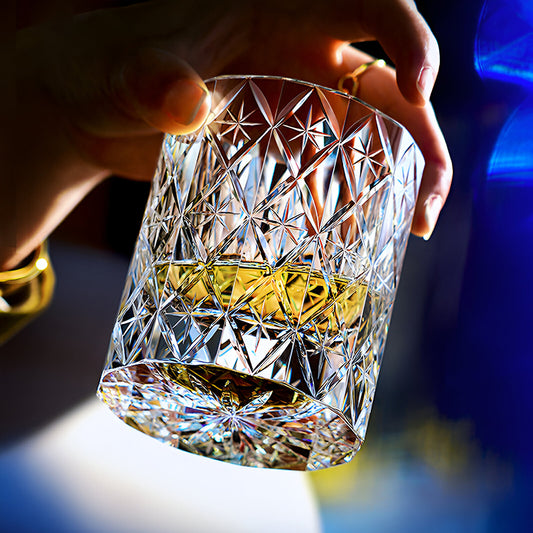
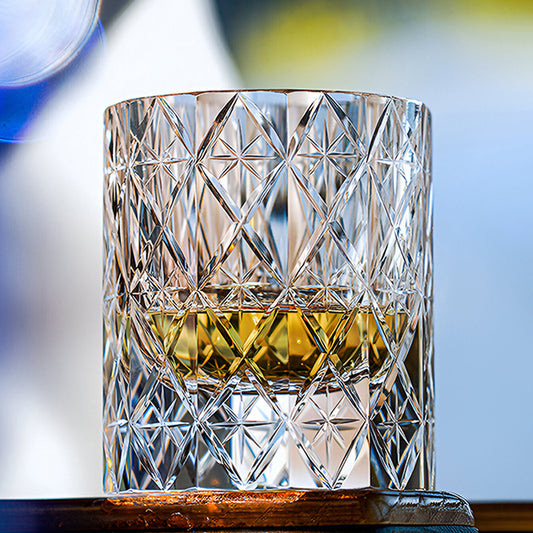
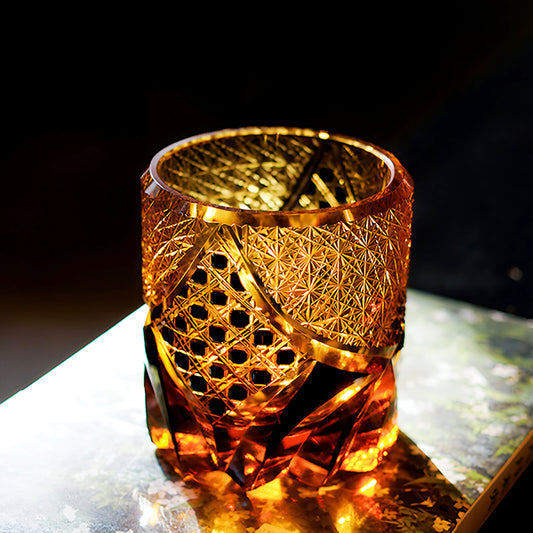
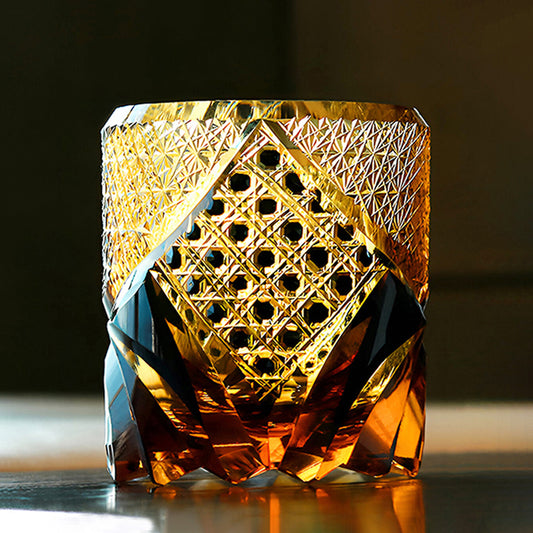
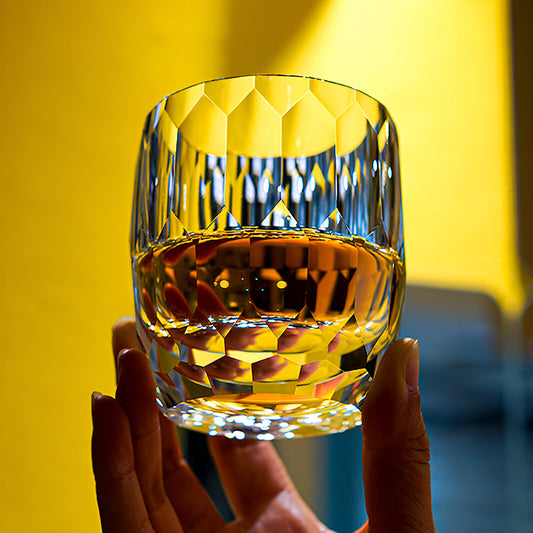
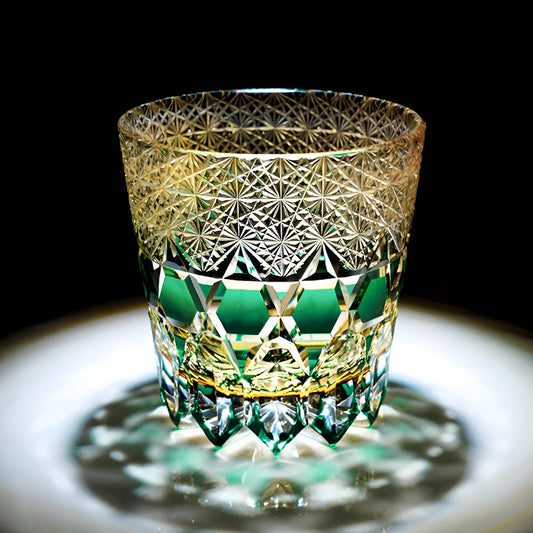
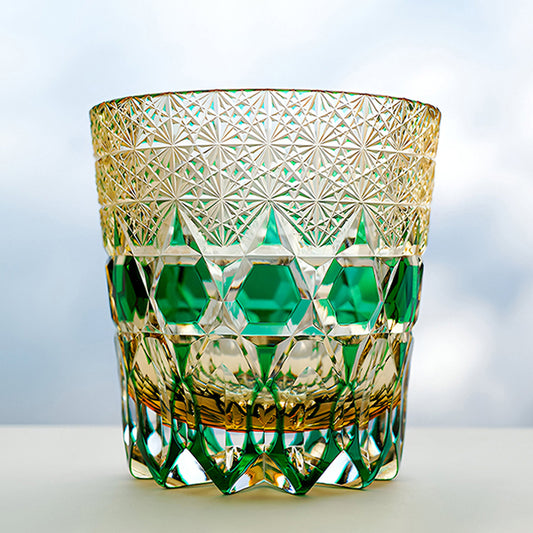
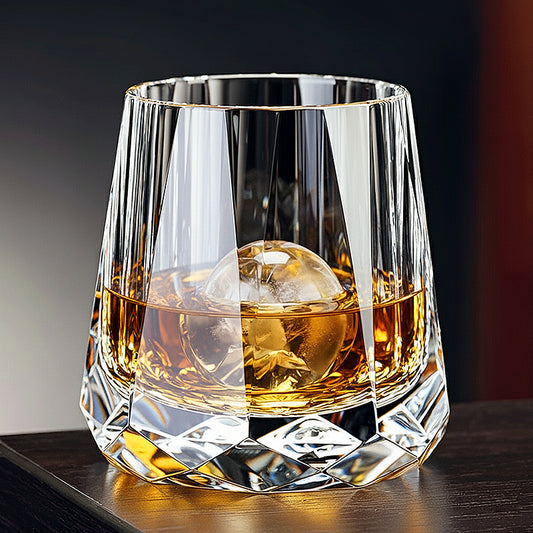
The hallmark of Edo Kiriko is the intricate, geometric and nature-inspired patterns cut freehand into the surface of lead-free soda-lime glass or crystal glass. Popular motifs include nanako (a tiny fish-roe pattern that looks like stardust), kiku (chrysanthemum), and kagome (basket weave). These cuts aren’t just decorative; they create a tactile dance between your fingers and the glass, while refracting light much like a diamond. Today, only certified artisans in Tokyo produce authentic Edo Kiriko, preserving a tradition designated by the Japanese government as a “Traditional Craft.”
The Art of Mindful Drinking: Why It Matters
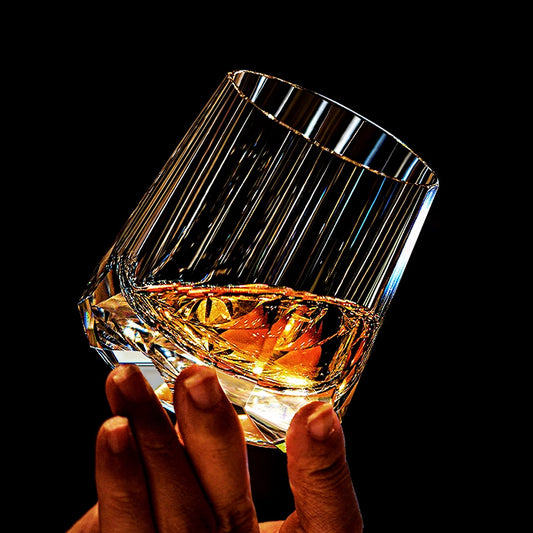
In the United States, we often treat beverages as fuel—coffee on the go, water gulped between meetings, a glass of wine inhaled at the end of a long day. Edo Kiriko invites a different rhythm. Imagine pouring a small amount of Japanese whiskey into a hand-cut tumbler: the weight of the glass, the play of light through the facets, the subtle texture against your lip. This is not just drinking; it’s a sensory practice that anchors you in the present moment, much like a meditation session.
This mindful approach aligns perfectly with the rising wellness trend of “ritualizing the ordinary.” Just as lighting a luxury candle or brewing loose-leaf tea signals a transition, picking up an Edo Kiriko glass cues your mind to slow down and savor. The Japanese concept of wabi-sabi—finding beauty in imperfection and transience—lives in the organic variations of each hand-cut piece, reminding you that no two glasses are identical, just as no two relaxation sessions are the same.
Key Benefits of Owning Edo Kiriko
- Visual Wellness: The precise cuts create a kaleidoscope of light that can lower stress and elevate your mood, turning a five-minute tea break into a visual spa.
- Everyday Luxury, No Pretension: Unlike fine china that stays in a cabinet, Edo Kiriko is designed for daily use. Its lead-free glass is durable and safe, letting you infuse luxury into even a glass of tap water.
- A Story in Your Hand: Each glass carries the legacy of Tokyo’s Shitamachi artisan district. When you drink from it, you connect with centuries of craftsmanship that mass-produced glass can’t offer.
- Health-Conscious Material: Modern Edo Kiriko uses lead-free crystal glass, eliminating concerns about lead leaching—a common worry with antique Western crystal decanters.
Buying Guide: How to Choose Authentic Edo Kiriko Glass
With the growing global interest in Japanese crafts, many imitations exist. Here’s how to ensure you’re buying the real thing:
- Look for the Mark: Authentic Edo Kiriko often comes with a sticker, a certificate, or an engraved mark from the Edo Kiriko Cooperative Association. Reputable retailers will proudly display this.
- Examine the Cuts: Hand-cut patterns have crisp, sharp edges and slight irregularities that create a one-of-a-kind texture. Pressed glass or machine-cut imitations feel smooth and uniform, lacking the “soul” of a human hand.
- Check the Material: True Edo Kiriko is typically heavier than standard soda-lime glass due to its lead-free crystal content, with a clear, brilliant ring when tapped gently. If the glass feels overly light or plastic-like, it’s likely a mass-produced copy.
- Buy from Curated US Shops: Several online stores now specialize in directly importing from Tokyo’s certified workshops. This guarantees authenticity and supports the artisans directly.
- Understand the Price Range: A genuine hand-cut Edo Kiriko tumbler can start around $80 and exceed $300 for more complex patterns. If the price seems too good to be true, it probably is.
Edo Kiriko vs. Western Cut Crystal: A Comparison Table
| Feature | Edo Kiriko (Tokyo) | Western Cut Crystal (e.g., Waterford) |
|---|---|---|
| Origin | Tokyo, Japan (1834) | Europe / Ireland (18th century) |
| Cutting Method | Entirely freehand by a single artisan; each facet hand-cut | Combination of hand-guided and machine-assisted cutting; often produced in series |
| Glass Composition | Lead-free soda-lime or crystal glass, lighter and food-safe for daily use | Traditional lead crystal (contains lead oxide) for extra weight and brilliance |
| Pattern Style | Inspired by nature and kimono motifs; dense, intricate, micro-scale textures | Often geometric, large-scale cuts like diamonds, starbursts, and flutes |
| Feel & Weight | Slightly lighter, with a satin tactile finish on the cut areas; delicate ring | Heavier, often with a high-pitched ring; smoother feel |
| Best For | Mindful sipping, whiskey, tea, daily water; an immersive sensory experience | Formal entertaining, wine service, decorative barware |
Real-Life Scenarios: From Morning Matcha to Evening Whiskey
The Nightcap Ritual: After a long workday, you pour two fingers of Japanese whisky into an Edo Kiriko tumbler. The amber liquid catches the light like a sunset through a prism. You swirl, inhale, and the stress of the day dissolves with every sip.
The Afternoon Reset: At 3 PM, instead of a fourth coffee, you fill a small Edo Kiriko sake cup with chilled sencha tea. The cool glass in your palm, the intricate pattern against your lips—it’s a minute-long meditation that recharges you.
Morning Hydration Turned Art: You keep an Edo Kiriko water glass on your nightstand. The moment sunlight hits the cut surface, your bedroom turns into a quiet gallery. Drinking water has never felt so intentional.
A Gift that Tells a Story: For a wedding or housewarming, a pair of Edo Kiriko whiskey glasses speaks volumes. It says, “I want you to have luxury, not just on special occasions, but every single evening.”
Who Should Buy Edo Kiriko Glass?
- The Mindful Minimalist: If you’re curating a home of intentional objects, a single Edo Kiriko glass becomes a prized possession that replaces a cabinet full of uninspired drinkware.
- The Whiskey Connoisseur: You appreciate that the nosing and tasting experience changes with vessel shape and texture, much like upgrading from a standard wine glass to a Zalto.
- The Gift Giver: Searching for something deeply personal and luxurious that won’t be regifted? Edo Kiriko fits beautifully for birthdays, milestones, or corporate gifts.
- The Stress-Reducer: Anyone looking to build small, calming rituals into a fast-paced American lifestyle will find the glass an anchor of presence.
- The Design Lover: You admire artisanal Japanese design and want to bring a piece of Tokyo’s heritage into your modern home—no plane ticket needed.
Care Tips to Preserve the Sparkle
Edo Kiriko is surprisingly resilient, but it deserves a gentle touch to keep its brilliance for decades:
- Always hand wash with a mild detergent and a soft sponge. Avoid scrub pads or abrasive cleaners.
- Never put Edo Kiriko in the dishwasher; the intense water jets and alkaline detergents can dull the hand-cut edges over time.
- Rinse with lukewarm water and dry immediately with a lint-free microfiber cloth to prevent water spots.
- Store in a cabinet where glasses won’t touch each other, or line them with a soft cloth to protect the facets.
- For stubborn haze, a drop of white vinegar in warm water will restore the crystal’s shine without damage.
Frequently Asked Questions
What makes Edo Kiriko glass different from regular cut glass?
Edo Kiriko is entirely hand-cut by Tokyo artisans, resulting in patterns that feel alive under your fingertips and refract light with unmatched brilliance. Machine-made cut glass can’t replicate the subtle irregularities that give each piece its soul.
Is Edo Kiriko glass safe for everyday drinking?
Yes. Because it’s made from lead-free crystal, it’s completely safe for daily use with all types of beverages, including acidic juices and hot tea. You can finally use your heirloom-quality glass instead of hiding it away.
Can I put Edo Kiriko in the dishwasher?
No. The intense environment of a dishwasher can gradually soften the sharpness of the hand-cut facets. A quick hand wash preserves the texture and keeps the glass looking brand new for years.
What drinks are best served in an Edo Kiriko glass?
While the classic pairing is Japanese whisky, the glass elevates anything you drink mindfully—from sparkling water with a slice of lime to a restorative herbal tea. It’s about the ritual, not the recipe.
How can I tell if an Edo Kiriko piece is authentic?
Look for the mark of the Edo Kiriko Cooperative Association and purchase from specialized Japanese craft retailers. Authentic glass has depth, a heavy feel, and an unmistakable crispness that doesn’t exist in copies.
Why is Edo Kiriko more expensive than typical crystal?
The price reflects the decade-long apprenticeship required to master freehand cutting, the exclusivity of the Tokyo workshop tradition, and the dozens of hours invested in a single tumbler or cup. You’re not just buying a glass; you’re acquiring a signed piece of cultural history.
Bring Home a Slice of Tokyo Craft
Edo Kiriko glass is more than a vessel—it’s an invitation to slow down, breathe, and find luxury in the simplest moments at home. Whether you’re unwinding with a dram of whiskey or starting your day with a glass of water, the hand-cut patterns from Japan’s oldest glass district turn a daily habit into a wellness ritual. Ready to add a piece of Japanese heritage to your lifestyle? Browse our curated selection of authentic Edo Kiriko glasses, handcrafted by Tokyo artisans, and choose the piece that will become the calm center of your home.
Explore Our Collection
Ready to experience the world of Edo Kiriko glass? Browse our curated collection:
Disclaimer: This article is for informational purposes. Products and pricing subject to change.