
Edo Kiriko Glass: A Meaningful Craft Story for a Refined Home Bar
An Edo Kiriko glass is a Japanese cut glass piece known for precise hand-cut patterns, jewel-like color, and deep cultural roots in Tokyo. For a home bar, it turns a simple pour of Japanese whiskey into a slower, more intentional ritual.
If you are new to Japanese cut glass, think of Edo Kiriko as crystal with a story: part drinking vessel, part decorative object, and part quiet tribute to generations of tokyo glass craftsmen. It is especially appealing as a premium Japanese whiskey glass, a collector-worthy accent, or a thoughtful gift for men who appreciate design, craft, and heritage.
Key Takeaways
- Edo Kiriko glass is a form of japanese traditional glass art developed in Tokyo.
- Its beauty comes from hand-cut patterns carved into colored or clear glass.
- The craft is linked to edo period glassware and later refined through modern crystal techniques.
- An Edo Kiriko whiskey glass is popular for Japanese whiskey, bourbon, Scotch, and home bar display.
- A quality edo kiriko glass set works well as a premium gift because it feels personal, useful, and culturally distinctive.
What Is Edo Kiriko Glass and Why Does It Feel Special?
Edo Kiriko glass is a traditional Japanese cut glass craft associated with Tokyo, formerly known as Edo. The word “Kiriko” refers to cut glass, while “Edo” connects the craft to the city’s historical identity.
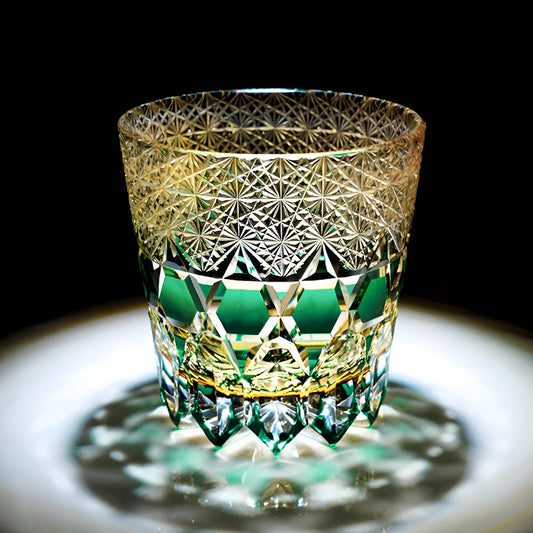
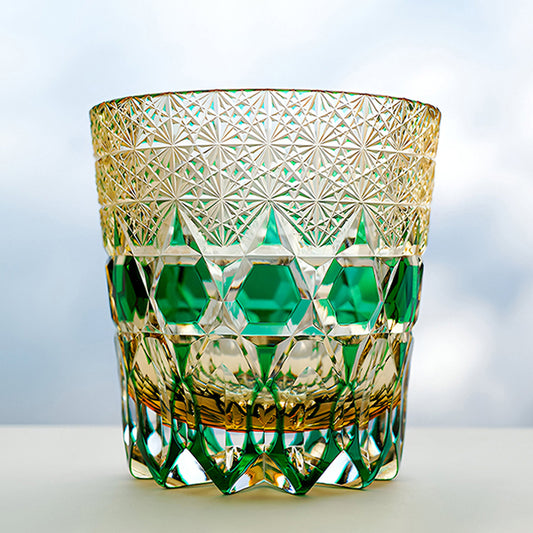
At first glance, it may look like luxury crystal. But the appeal goes deeper. Each piece is shaped by cutting patterns into glass with rotating wheels, then polishing the surface until the cuts catch light sharply.
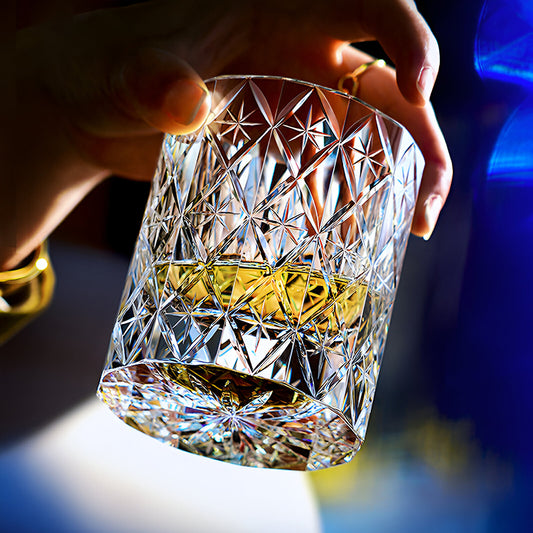
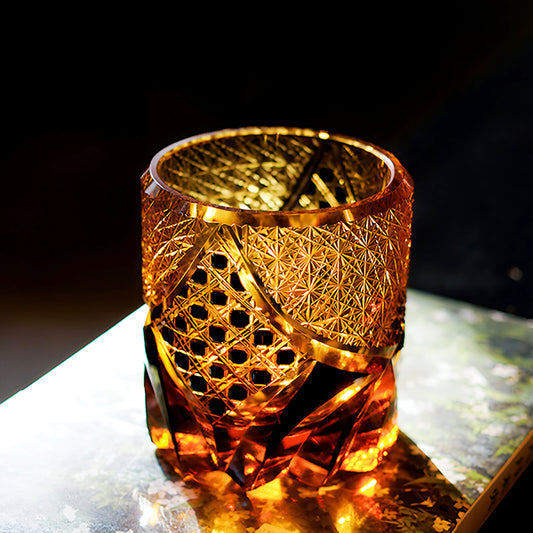
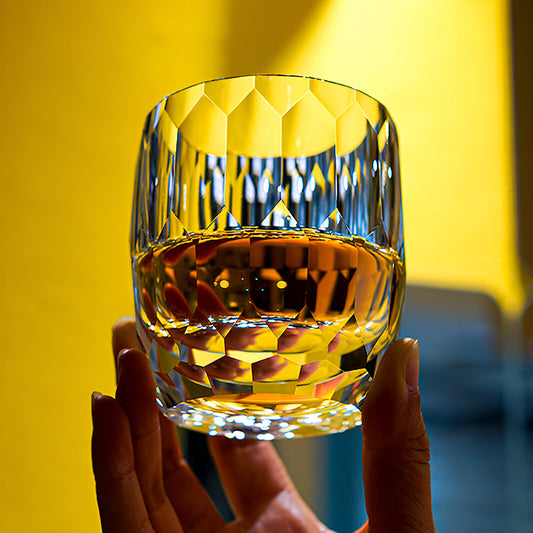
The result is a glass that changes with its surroundings. Under warm bar lighting, the cut lines create reflections that feel almost architectural. On a dark wood shelf, colored Japanese crystal can look like a small sculpture.
For American buyers, a helpful analogy is this: if a hand-thrown ceramic mug carries the personality of the potter, an Edo Kiriko glass carries the hand discipline of the cutter. The value is not only in the material. It is in the control, repetition, and restraint required to make the pattern feel alive.
This is why Edo Kiriko works so well in a home bar. A regular whiskey glass holds a drink. An Edo Kiriko piece creates a moment before the first sip.
How Did Edo Kiriko History Begin in Tokyo?
The short version of edo kiriko history is that the craft began in Edo, the old name for Tokyo, during the late Edo period. Glass was once rare and technically demanding in Japan, so early pieces were valued as refined objects rather than everyday tableware.
Historical accounts commonly trace the origins of Edo Kiriko to Tokyo artisans who began cutting patterns into glass in the 19th century. Over time, the craft absorbed outside glassmaking influences while keeping a distinctly Japanese design language.
This matters because Edo Kiriko is not just imported luxury styling. It grew from a city craft culture where small workshops, repeated practice, and careful finishing shaped the final object.
Unlike mass-produced barware, traditional Edo Kiriko reflects the relationship between pattern and handwork. The lines are planned, cut, checked, and polished. A tokyo craftsman is not simply decorating the surface. He or she is controlling depth, rhythm, symmetry, and light.
That link between old Tokyo and modern lifestyle is part of the reason Edo Kiriko feels relevant today. It carries the quiet confidence of heritage without looking outdated.
Why Is Japanese Traditional Glass Art Different From Regular Crystal?
Japanese traditional glass art often values balance, negative space, and controlled detail. Edo Kiriko is a strong example because the decoration is bold, but the overall feeling remains composed.
Many Western crystal glasses use heavy faceting, ornate shapes, or formal table settings. Edo Kiriko can be equally detailed, but the patterns often feel more graphic and symbolic. Common motifs may reference hemp leaves, bamboo, chrysanthemum, fish scales, or geometric forms found in Japanese design.
For a beginner, the easiest way to see the difference is to look at how the glass handles light. Regular crystal can sparkle broadly. Edo Kiriko often creates sharper contrast between colored glass and clear cut lines.
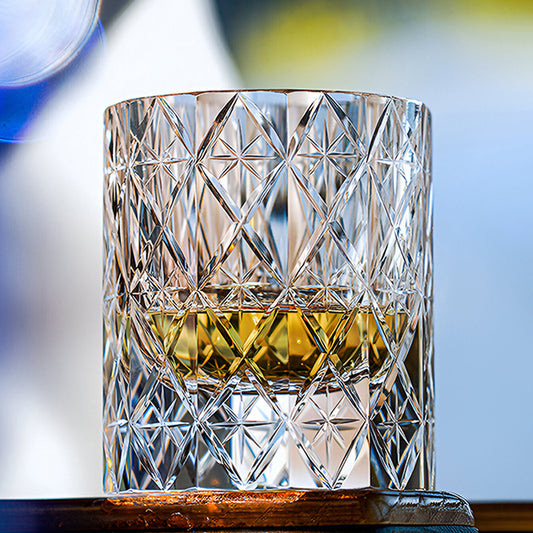
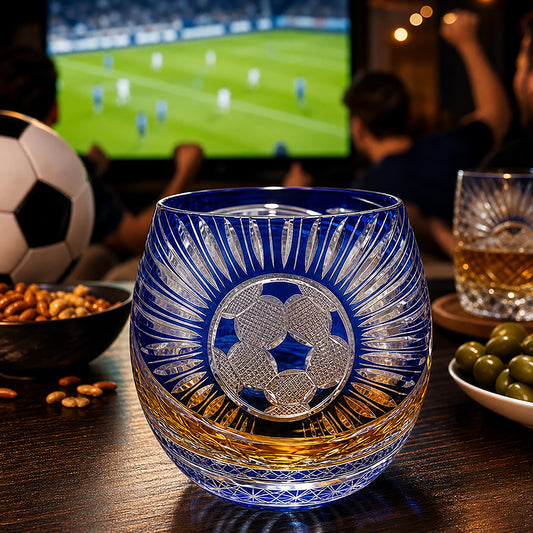
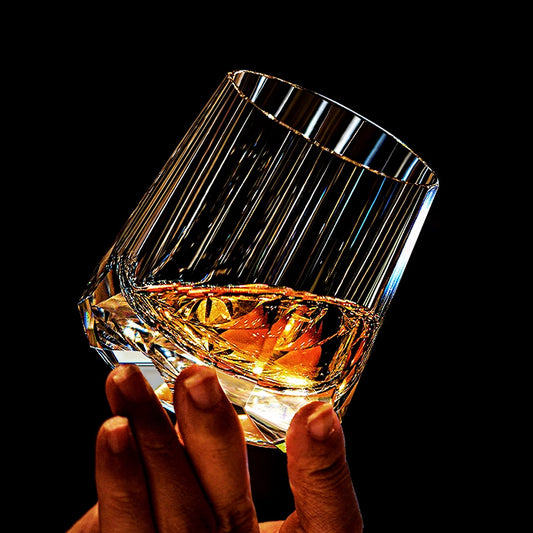
This contrast is one reason a Japanese whiskey glass in Edo Kiriko style feels so striking. Amber whiskey sits behind the cut pattern, adding warmth to the design. The drink becomes part of the visual experience.
The craft also rewards close viewing. From across the room, the glass looks decorative. In your hand, you notice small details: the depth of the cuts, the precision of repeated angles, the way the rim and base are finished.
That is the difference between an object that is merely expensive and one that feels considered.
What Do Tokyo Glass Craftsmen Actually Do by Hand?
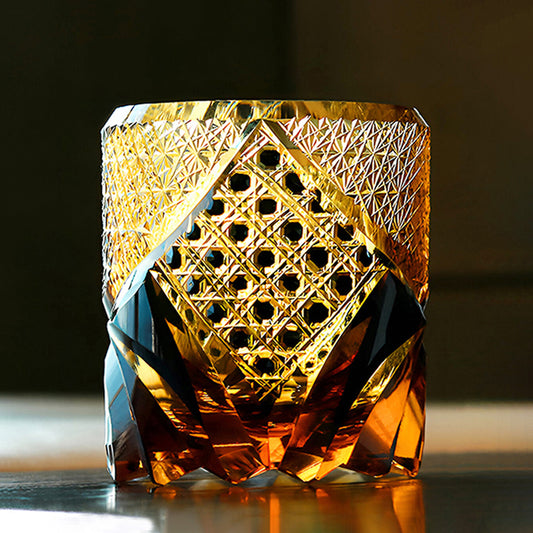
Tokyo glass craftsmen typically begin with a prepared glass blank. Depending on the piece, this may be clear glass, colored glass, or layered glass that reveals a clear pattern when cut through the outer color.
The artisan then marks or visualizes the design and uses cutting wheels to carve into the surface. The work requires steady pressure. Cut too lightly, and the design lacks depth. Cut too aggressively, and the balance of the pattern can suffer.
After cutting, the piece is polished. This step is essential because polishing brings clarity to the cut surfaces. Without it, the cuts may look cloudy or unfinished.
In premium handcrafted glassware, the difference is often visible in the details. Lines meet cleanly. Repeated forms feel consistent. The glass has weight without feeling clumsy. The pattern looks sharp, but the piece remains comfortable to hold.
This is where the artisan journey becomes important. Edo Kiriko is not a craft someone masters quickly. It depends on years of controlled movement, visual judgment, and respect for traditional pattern language.
For a buyer, that means each glass carries more than decoration. It carries accumulated skill.
Why Does an Edo Kiriko Whiskey Glass Fit a Home Bar?
An Edo Kiriko whiskey glass fits a home bar because whiskey is already a ritual-driven drink. People choose a bottle, select the glass, pour slowly, add ice or water, and take time with aroma and finish.
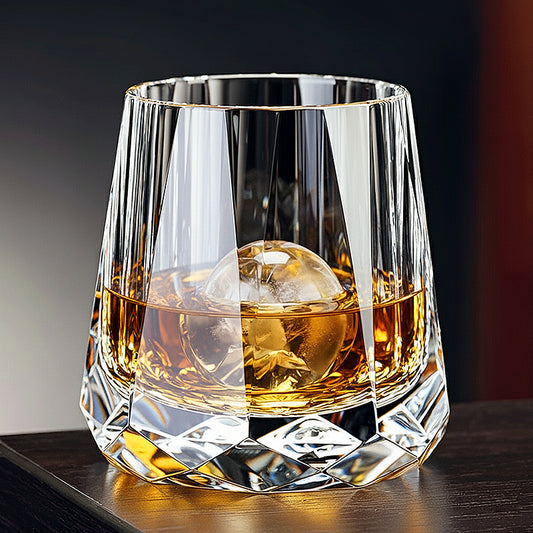
Edo Kiriko adds a visual layer to that ritual. The cut patterns frame the color of Japanese whiskey, bourbon, rye, or Scotch. The glass feels substantial in the hand, which suits slow sipping.
For buyers building a refined home bar, the goal is not to fill the shelf with random barware. The goal is to choose a few pieces that express taste. Edo Kiriko does that without needing loud branding.
It also works across styles. A blue Edo Kiriko glass can feel cool and modern. A red glass can feel celebratory. Clear or smoky tones can suit a minimalist bar cart.
If you are comparing options, Explore luxury whiskey glasses to see how different glass styles can change the mood of a home bar. For pieces with a Japanese design focus, Discover Japanese whiskey glasses built around craft, clarity, and presentation.
Is an Edo Kiriko Glass Set a Good Gift for Men?
An edo kiriko glass set can be an excellent gift for men, especially when the recipient enjoys whiskey, home entertaining, design objects, or Japanese culture. It feels personal without being overly risky.
Many common gifts are either too generic or too decorative to use. Edo Kiriko solves that problem. It is beautiful enough to display and practical enough for regular use.
For a husband, father, client, groomsman, or business partner, a Japanese whiskey glass has several advantages:
- It feels more thoughtful than a standard tumbler.
- It works for whiskey, cocktails, sparkling water, or neat pours.
- It connects to Japan, Tokyo, and the Edo period without requiring deep cultural knowledge.
- It suits home bars, office shelves, and dining rooms.
- It has long-term gift value because it is not tied to a trend.
The key is to choose a piece that matches the person. A bold color may suit someone with a dramatic bar setup. A quieter pattern may suit a minimalist buyer. A pair or set is better for someone who entertains.
How Does Edo Period Glassware Influence Modern Japanese Cut Glass?
Edo period glassware was shaped by limited materials, technical curiosity, and the refined tastes of urban Japan. Modern Edo Kiriko is more technically advanced, but it still carries the spirit of that early craft environment.
The influence is visible in three ways.
First, the craft remains closely tied to Tokyo. Even when Japanese glassware is sold globally, Edo Kiriko still points back to the city’s workshop culture.
Second, the patterns continue to respect traditional design language. Geometric repetition, nature-inspired motifs, and careful spacing all reflect Japanese aesthetics.
Third, the object balances utility and beauty. It is not only for a museum shelf. It is made to be held, used, washed carefully, and enjoyed.
That balance is important for modern buyers. Premium lifestyle buyers in the United States often want objects that tell a story but still fit everyday life. Edo Kiriko meets that need because it feels special without becoming impractical.
How to Choose a Japanese Crystal Whiskey Glass Without Overthinking It?
Choosing japanese crystal or Edo Kiriko style glassware becomes easier when you focus on use, design, and gift context.
| Buying Factor | What to Look For | Best For |
|---|---|---|
| Glass shape | Rocks glass, tumbler, or old fashioned shape | Whiskey, Japanese whiskey, bourbon, cocktails |
| Pattern | Clean cuts, balanced geometry, readable design | Buyers who appreciate craftsmanship |
| Color | Blue, red, clear, amber, or smoky tones | Matching a home bar or gift recipient style |
| Weight | Substantial but comfortable in hand | Slow sipping and premium feel |
| Set size | Single glass, pair, or glass set | Personal use, couples, hosting, gifts |
| Care needs | Hand wash recommended for delicate cut glass | Long-term preservation |
If the piece is mainly for display, choose a more intricate pattern. If it will be used often, choose a comfortable shape and a pattern that is beautiful but not too delicate for handling.
For gifting, a pair is often the safest choice. A single glass can feel personal and collectible, but a pair invites the recipient to share a drink.
What Makes Edo Kiriko Feel Luxurious Without Being Loud?
True luxury does not always need a logo. Edo Kiriko feels luxurious because the value is visible in the object itself.
The cuts are precise. The color has depth. The glass reacts beautifully to light. Most importantly, the piece encourages slower use.
That slower rhythm is part of the appeal for premium lifestyle buyers. In a world of fast purchases and disposable products, handcrafted glassware suggests patience. It tells the owner, and anyone visiting the home bar, that details matter.
This is why Edo Kiriko works as both a cultural object and a commercial product. It is rooted in Japan, connected to Tokyo, and shaped by the long memory of the Edo period. But it also fits modern American homes where buyers want meaningful pieces with practical function.
A well-chosen Edo Kiriko glass does not need to explain itself loudly. It simply looks better the longer you live with it.
FAQ About Edo Kiriko Glass
What is an Edo Kiriko glass?
An Edo Kiriko glass is a Japanese cut glass piece associated with Tokyo. It is made by cutting and polishing patterns into glass, often creating strong contrast between colored surfaces and clear cut lines.
Why is Edo Kiriko glass considered japanese traditional glass art?
It is considered japanese traditional glass art because it uses inherited cutting techniques, Tokyo workshop knowledge, and traditional Japanese patterns. The craft combines utility with cultural design.
How does edo kiriko history connect to the Edo period?
Edo kiriko history is commonly traced to the late Edo period in Tokyo, when artisans began cutting decorative patterns into glass. Modern pieces have evolved, but the name and craft identity still connect to old Edo.
Are Edo Kiriko whiskey glasses good for Japanese whiskey?
Yes. An Edo Kiriko whiskey glass works well for Japanese whiskey because the cut crystal pattern highlights the amber color of the drink and adds a refined feel to slow sipping.
What makes tokyo glass craftsmen different from factory glass producers?
Tokyo glass craftsmen rely on hand skill, visual judgment, and careful polishing. Factory glass may be consistent, but handcrafted pieces often show more depth, sharpness, and individual character.
Is an edo kiriko glass set a good gift for men?
Yes. An edo kiriko glass set is a strong gift for men who enjoy whiskey, home bars, Japanese design, or premium lifestyle objects. It is useful, decorative, and culturally distinctive.
How should I care for Japanese cut glass?
Hand wash Japanese cut glass with mild soap, avoid abrasive pads, and dry it with a soft cloth. Delicate crystal or cut glass should not be treated like everyday dishwasher-safe tumblers.
Conclusion: A Glass With a Story Worth Holding
Edo Kiriko glass is more than a beautiful whiskey tumbler. It is a piece of Tokyo craft history shaped by hand, light, pattern, and patience.
For curious beginners, it offers an accessible entry into Japanese traditional glass art. For premium lifestyle buyers, it brings cultural depth and visual refinement to a home bar. For gift buyers, it offers something useful, memorable, and personal.
If you want a whiskey glass that feels intentional every time it is picked up, an Edo Kiriko piece is a strong choice. Start with one meaningful glass or choose a set for sharing, display, and slow evenings at home.
Featured image alt text suggestions: handcrafted japanese edo kiriko whiskey glass; japanese cut crystal whiskey glass on home bar.
Explore Our Collection
Ready to experience the world of Edo Kiriko glass? Browse our curated collection:
Disclaimer: This article is for informational purposes. Products and pricing subject to change.